

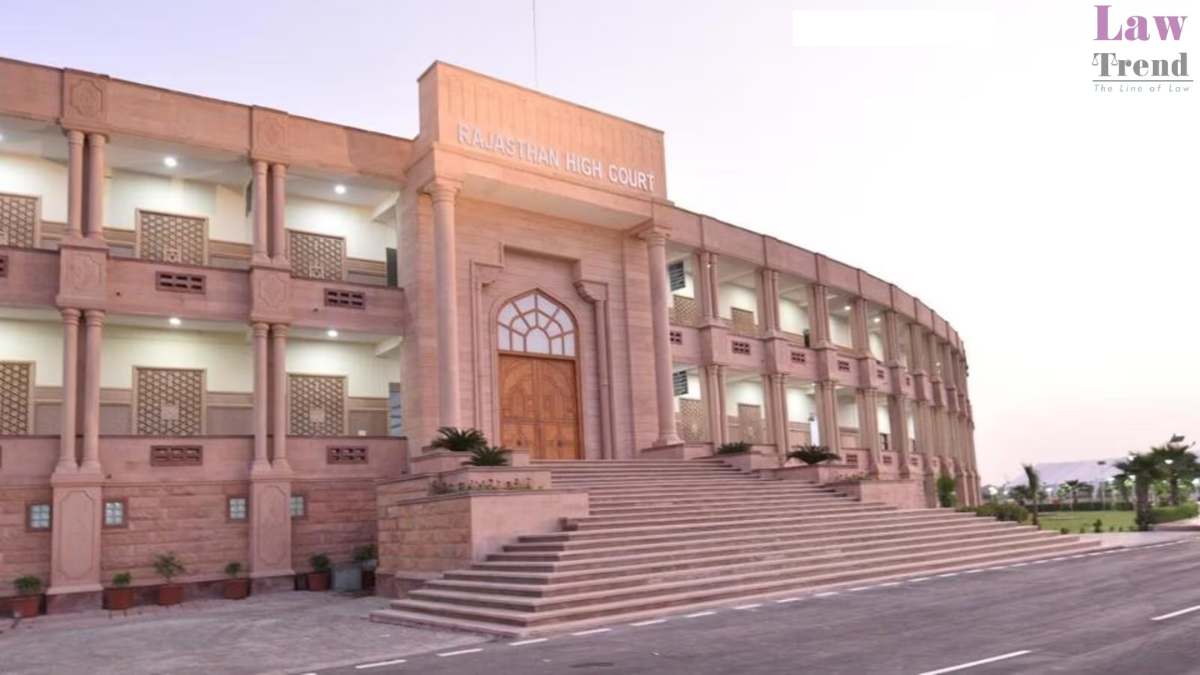
The Rajasthan High Court is set to adjudicate a significant legal battle between petrol pump dealers and state-run oil marketing companies (OMCs) over alleged arbitrary restrictions imposed on the distribution and sale of petrol and diesel.
A writ petition filed by the Petroleum Dealers Distributors Transporters Welfare Association has challenged informal directives issued by major oil corporations. The Jodhpur bench of the High Court, presided over by Justice Mukesh Rajpurohit, has scheduled the matter for a crucial hearing on May 25.
The Legal Conflict
At the heart of the dispute is an accusation by the Petroleum Dealers Distributors Transporters Welfare Association that major oil marketing companies—specifically Oil Corporation Limited, Bharat Petroleum Corporation Limited (BPCL), and Hindustan Petroleum Corporation Limited (HPCL)—are bypassing formal regulatory frameworks to throttle fuel supplies.
According to the petition filed on Wednesday, these oil companies have been issuing verbal instructions and WhatsApp messages directing dealers to sell petrol and diesel in strictly limited quantities.
The dealers’ association further alleged that these informal restrictions are backed by coercive threats. The petition claims that OMCs have warned dealers of severe punitive actions, including the immediate suspension of fuel supplies and the complete halting of sales, should they exceed the verbal limits set by the companies.
Arguments: Lack of Statutory Jurisdiction Under the Essential Commodities Act
In its petition, the association has raised fundamental administrative and statutory objections to the OMCs’ actions. Relying on the provisions of the Essential Commodities Act, 1955, the petitioners argued that oil marketing companies have no legal authority to regulate or restrict the production, distribution, or sale of petroleum products.
Under the statutory framework of the Essential Commodities Act, such regulatory powers are vested exclusively with the Central Government or the respective State Governments. The association contended that:
- Any restriction on the supply or sale of essential commodities like fuel must be executed through a formal, duly issued government notification.
- Since no such statutory order or government notification is currently in force, the restrictions imposed by the OMCs are completely illegal, unauthorized, and beyond their jurisdiction.
Court Proceedings and Current Status
During the preliminary hearing, the Rajasthan High Court was informed that a copy of the writ petition had already been formally served to the Government of India.
Taking note of the developments, Justice Mukesh Rajpurohit appointed an advocate to represent the Union of India in the ongoing matter. Additionally, the court directed that copies of the petition be expeditiously provided to the counsels representing the respondent oil marketing companies to allow them to present their response.
The High Court has posted the matter for its next detailed hearing on May 25.




