

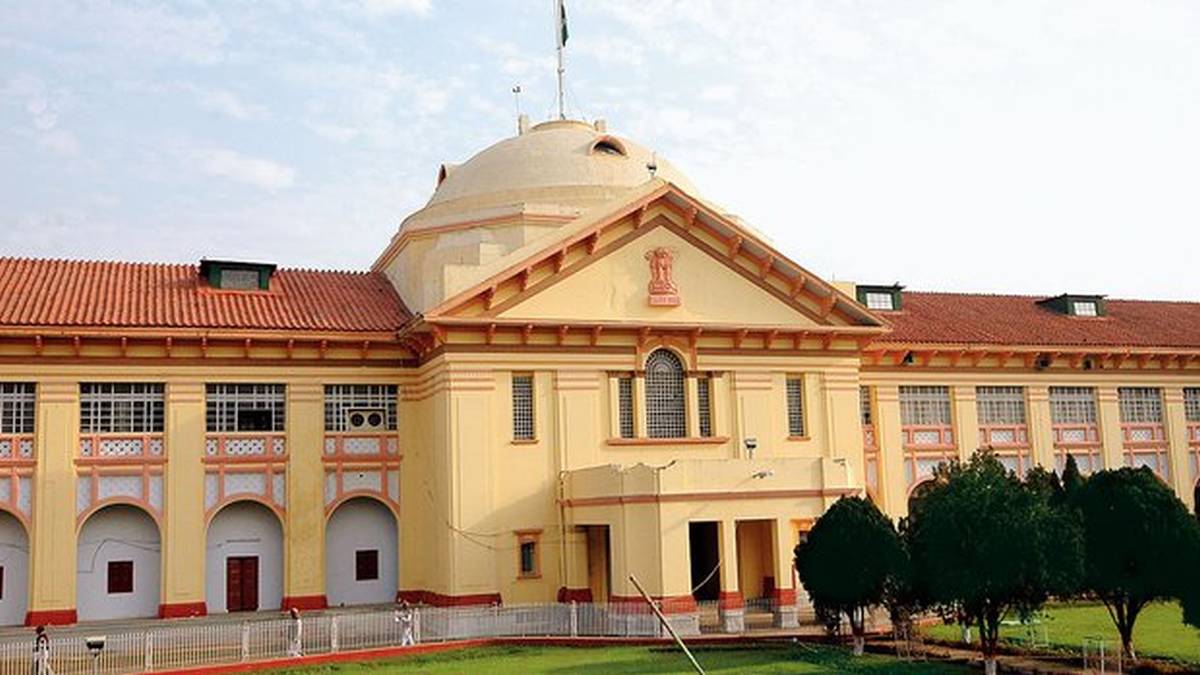
The Patna High Court has established that a couple’s inability to have children despite years of fertility treatments cannot serve as a legal ground for dissolving a marriage, even as it sustained a lower court’s divorce decree on the basis of mental cruelty.
In a decision delivered by a division bench comprising Justice Bibek Chaudhuri and Justice Chandra Shekhar Jha, the court dismissed an appeal by a wife challenging a family court order that had dissolved her 2010 marriage. The high court concurrently ordered the husband, an assistant school teacher, to pay Rs 34.76 lakh in permanent alimony to his former spouse.
Legal Grounding On Infertility And Marriage
Addressing the core dispute, the bench stated that childlessness and prolonged separation do not independently justify a legal divorce. Medical records indicated that following their marriage on June 12, 2010, both spouses actively sought assisted reproductive technology, including in-vitro fertilisation (IVF) procedures. Cross-examination confirmed that the husband funded the medical treatments and accompanied his wife to clinical visits.
The court noted that while extended struggles with infertility generate severe emotional strain within a marriage, clinical records did not attribute fault to either party. The bench held that the emotional stress of childlessness merely served as the background to the dispute rather than an actionable legal ground for ending the union.
Criminal Litigation And Breakdown Of Mutual Trust
Instead, the high court upheld the divorce under Section 13(1)(ia) of the Hindu Marriage Act, determining that the marriage had irretrievably collapsed due to severe mental cruelty resulting from continuous disputes, failed reconciliation attempts, and lengthy criminal litigation.
In 2018, the wife filed criminal charges against her husband and his family, accusing them of dowry harassment, attempted murder, physical assault, and coercion regarding a second marriage. That criminal case concluded in an acquittal after a full trial.
Evaluating the impact of the prosecution, the high court explained that an acquittal in criminal court—which requires proof beyond a reasonable doubt—does not automatically mean the allegations were deliberately fabricated. However, under the balance of probabilities standard applied in civil marital disputes, years of unproven criminal proceedings and the complete collapse of mutual confidence rendered the continuation of the marriage unviable. Given that cruelty was adequately established, the bench declined to rule on the secondary ground of desertion.
Alimony Calculation And Salary Determinations
While upholding the dissolution, the bench exercised its authority under the Hindu Marriage Act to award permanent financial support to the wife. Reviewing the husband’s financial affidavit, the court noted his monthly salary of Rs 86,900 as an assistant teacher.
The court ruled that existing liabilities, such as home loan and personal loan EMIs, cannot be deducted from annual earnings when determining alimony obligations. Based on his total income, the bench fixed permanent alimony at Rs 34.76 lakh.
The husband must clear the amount in two equal installments: the first within 15 days of the family court receiving formal communication of the order, and the second within 60 days of the initial payment. Failure to adhere to the schedule permits the wife to pursue legal execution remedies.
Maintainability Of Appeal Following Remarriage
The court also addressed the husband’s decision to remarry after securing the initial family court decree while his former wife’s appeal remained pending.
Citing established Supreme Court precedents, the bench clarified that a spouse’s subsequent marriage during pending proceedings does not invalidate an appeal against a divorce decree. The high court confirmed that such appeals must be evaluated strictly on their legal merits, ultimately finding the original divorce decree legally sound despite the intervening remarriage.


