

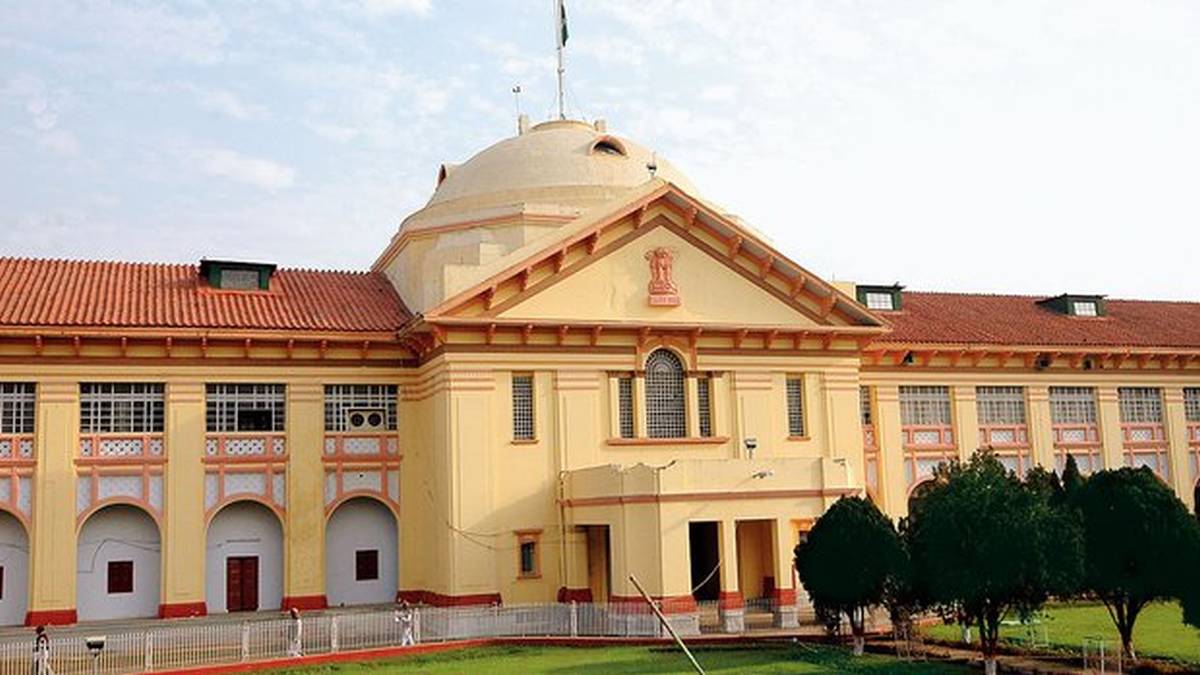
The Patna High Court has set aside orders declaring two men “anti-social elements” and restricting their movement, finding that the authorities acted without proper verification and that the Nalanda district magistrate passed the orders without due application of mind.
A division bench of Justice Rajeev Ranjan Prasad and Justice Sunil Dutta Mishra directed the Bihar government to pay ₹1 lakh each as compensation to petitioners Shasi Kumar alias Fukan and Ajay Singh. The court also awarded ₹10,000 each towards litigation costs in its September 11 order.
The High Court further directed the state government to recover the compensation and litigation costs from the officials responsible for the action after giving them an opportunity of hearing.
Proceedings Initiated On Police Recommendation
The proceedings arose from a recommendation made by the Nalanda superintendent of police on the basis of a report submitted by the Rajgir sub-divisional police officer during last year’s Assembly elections.
The petitioners challenged the action, contending that they had been falsely implicated in criminal cases and had already been granted bail.
Proceedings under the Bihar Crime Control Act were subsequently initiated against them. On September 10, 2025, the Nalanda district magistrate issued show-cause notices requiring them to appear before the competent authorities.
The district magistrate later concluded that the petitioners had failed to produce sufficient material in their defence and that allowing them unrestricted movement could create law-and-order problems in the locality.
High Court Flags ‘Cut-And-Paste’ Orders
Examining the district magistrate’s orders, the bench found that similar language and grounds had been repeatedly used in multiple matters that had earlier come before the High Court.
The court said the pattern gave an impression that the orders had been passed without proper judicial application of mind. It also found that the district magistrate had apparently not considered the statutory definition of an “anti-social element” either while issuing the show-cause notices or while passing the final orders.
According to the bench, the district magistrate proceeded on surmises and conjectures that the petitioners might disturb law and order during the Assembly elections. The court found no material demonstrating that they had previously disturbed public order.
Movement Restricted For Three Months
The orders had restricted the petitioners’ movement for three months and required them to report to Silao police station, around 40 km away, three times a week.
The High Court noted that no verification report or other supporting material had been placed on record to substantiate the allegations mentioned in the police diary.
It found that the superintendent of police, the sub-divisional police officer and the station house officer concerned had acted “in haste” without verifying the allegations before proceeding against the petitioners.
Setting aside the impugned action, the court ordered monetary compensation and litigation costs for both petitioners and directed that the amount be recovered from the erring officials after they are afforded an opportunity of hearing.




