

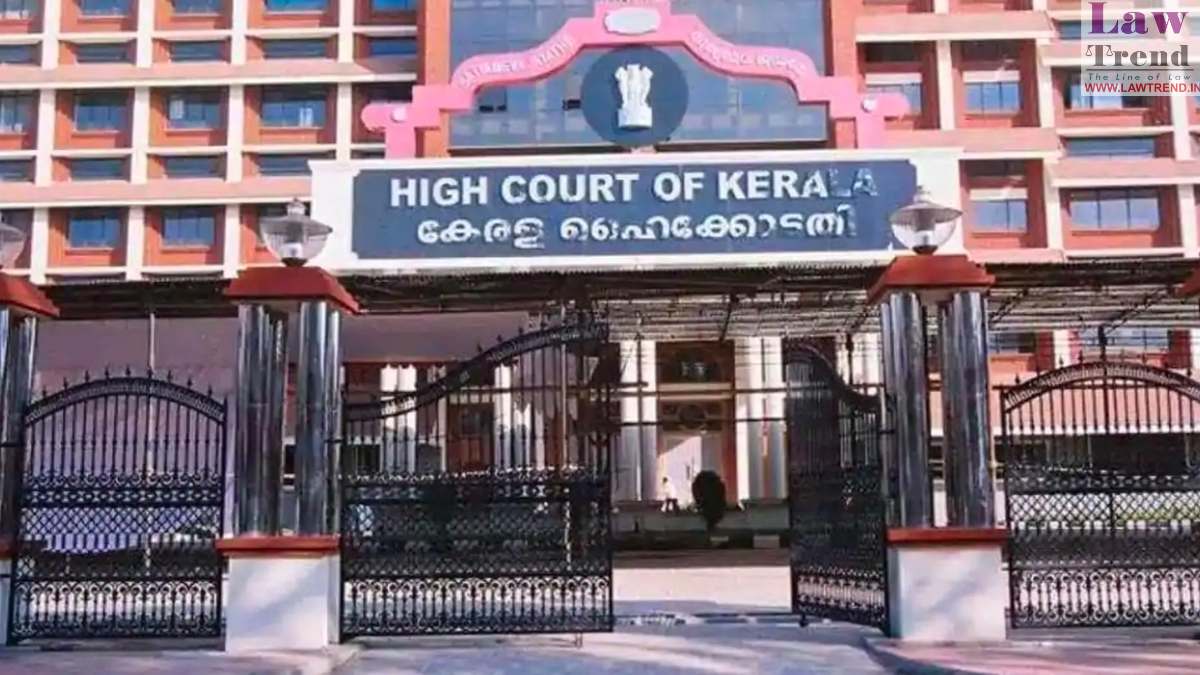
The Kerala High Court has halted the suspension of a primary school educator in Kasaragod district who faced administrative action after featuring Vinayak Damodar Savarkar in a school quiz. However, the court ruled that the official enquiry into the matter may proceed.
Justice Viju Abraham issued the interim order on August 19 following a petition by Gurupasad Rai K, a teacher at Aided Upper Primary School (AUPS) Pallathadka. The court noted that keeping the instructor suspended was not necessary for conducting an impartial probe, stating that suspending an employee during pending proceedings is a discretionary measure rather than an automatic requirement. The matter has been scheduled for a follow-up hearing on September 18.
Quiz Controversy and Disciplinary Action
The dispute stems from the Social Science Club Freedom Quiz 2026, conducted on August 6 for lower-primary students across the Kumbla and Manjeswaram sub-districts. One of five tie-breaker questions asked students to name the freedom fighter who received the maximum punishment from British authorities, with the provided answer listed as V.D. Savarkar.
The inclusion of the question triggered an investigation by the Education Department, leading authorities to direct the school manager to initiate formal disciplinary proceedings. The teacher was subsequently suspended and served with a memo of charges.
Arguments Presented by the Parties
In his petition to the High Court, Rai contended that drafting a quiz question does not constitute an act of misconduct. He asserted that the disciplinary measures were driven by public objections from certain sections of society, maintaining that Savarkar spent substantial time in prison as a freedom fighter.
Rai further pointed out that the question paper had been sent prior to the event to the Assistant Education Officer, who reviewed and forwarded it to various school headmasters without raising any objections or facing subsequent administrative scrutiny.
Defending its actions, the state government argued that the petition was premature due to available alternative remedies and cited provisions under Section 12A of the Kerala Education Act along with the Kerala Education Rules. In a counter-affidavit, the Education Department stated that identifying Savarkar as having received the maximum punishment under British rule was factually incorrect. Authorities maintained that Rai demonstrated negligence by including a controversial question that provoked public complaints, clarifying that the disciplinary action was based on dereliction of duty rather than political ideology.
Court Findings and Procedural Observations
Taking note of the government’s stance that the case centered on professional negligence, Justice Abraham highlighted that the Assistant Education Officer was aware of the test content before distributing it and raised no concerns. The court further observed that no disciplinary action had been taken against the education officer.
The court also noted that while the state referenced a fact-finding enquiry report in defense of its action, the report was neither cited in the original suspension order nor submitted alongside the government’s court filings.
Without ruling on the historical accuracy of the quiz answer or whether Rai was guilty of negligence, the High Court held that the ongoing enquiry should determine the correctness of the material. The court reiterated that because suspension is intended primarily to facilitate an orderly investigation, continuing Rai’s suspension was unwarranted given the nature of the allegations.




