

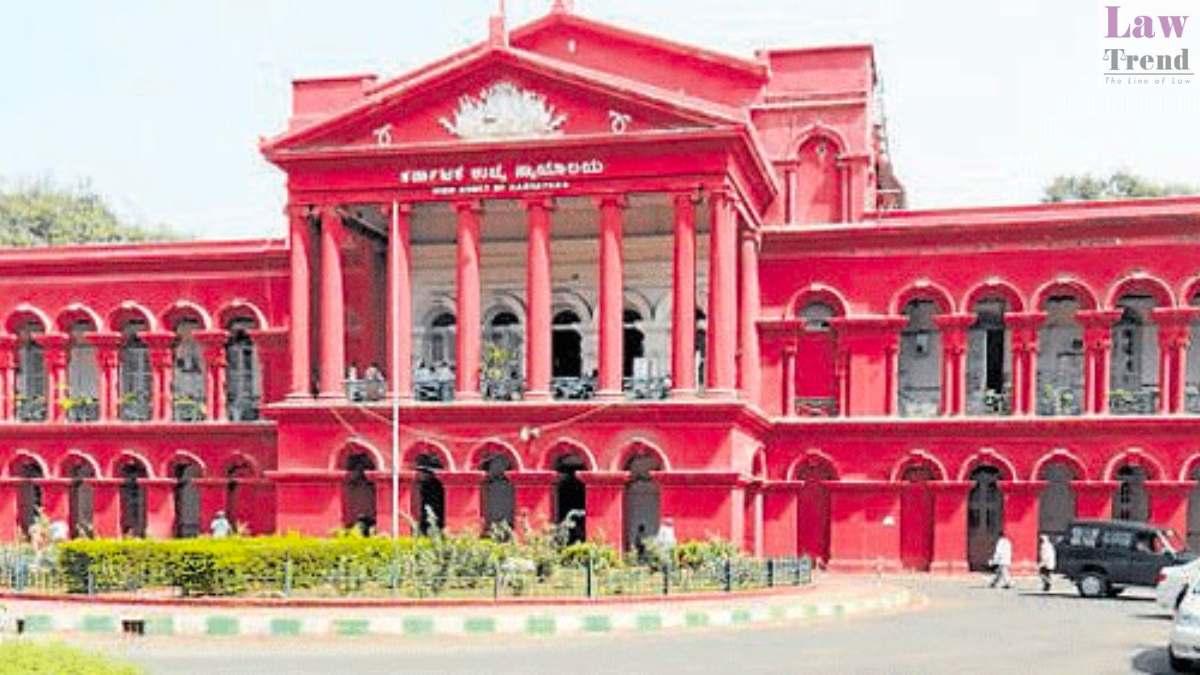
The Karnataka High Court has issued an interim stay on a recent advisory from the Food Safety and Standards Authority of India (FSSAI) that sought to ban the use of Ashwagandha leaves and extracts in health supplements. The court’s decision provides immediate relief to manufacturers who argued the sudden prohibition bypassed formal regulatory procedures and threatened long-standing business operations.
Presiding over the matter on Tuesday, Justice S R Krishna Kumar stayed the implementation of the April 16, 2026, advisory specifically for the petitioners, Sami-Sabinsa Group Ltd and Kerry Inc. The companies had approached the court seeking to quash the directive, which they claimed would have a severe impact on the nutraceutical industry.
The controversy stems from an advisory issued by the FSSAI following safety concerns raised by the Union Ministry of Ayush. The Ministry had flagged potential health risks associated with Ashwagandha leaves, asserting they contain high levels of reactive withanolides—specifically withaferin-A. According to the advisory, these compounds could lead to adverse effects including liver toxicity, gastrointestinal distress, and potential neurotoxicity.
Consequently, the FSSAI had directed manufacturers, exporters, and sellers to cease using the leaves, whether in crude or extract form, in any Ayush-related products.
During the proceedings, Senior Advocate K G Raghavan, representing the petitioners, argued that the ban was procedurally flawed. He highlighted that the usage of Ashwagandha leaves and roots is currently governed by the Food Safety and Standards (Health Supplements, Nutraceuticals, Food for Special Dietary Use, Food for Special Medical Purpose, Functional Food and Novel Food) Regulations, 2016.
Raghavan contended that the FSSAI cannot prohibit specific plant parts through a “mere advisory” without formally amending the 2016 Regulations. Furthermore, he noted that the petitioner companies have safely manufactured products utilizing Ashwagandha leaves for over 30 years, adhering to the standards set under Section 92 of the Food Safety and Standards Act, 2006.
Ashwagandha is widely utilized as an adaptogen and marketed globally to enhance strength and sexual wellness. While traditionally the roots are the most common component, the use of leaves has become a point of contention between regulators and industry players.
The counsel representing the Union Government and the FSSAI has requested additional time to file formal objections to the petitions. While the stay is currently limited to the two petitioning companies, it marks a significant pause in the government’s efforts to restrict the popular supplement’s composition.
The Karnataka High Court has scheduled the next hearing for June 8, at which point the government is expected to present its detailed safety findings and legal justifications for the ban.




