

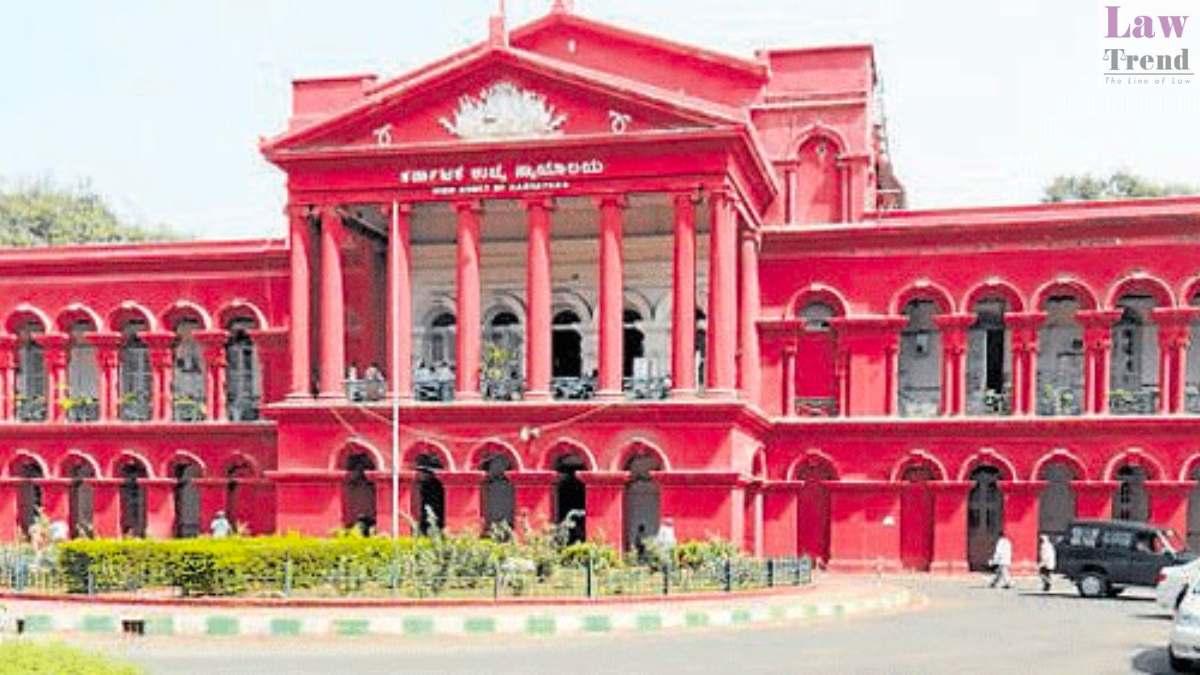
The Karnataka High Court has rejected a petition seeking to dismiss a rape case against a 28-year-old man, ruling that conflicting claims over sexual consent cannot be resolved without a full judicial trial.
Justice M. Nagaprasanna dismissed the plea to quash the criminal proceedings, stating that high courts cannot exercise inherent jurisdiction under Section 528 of the Bharatiya Nagarik Suraksha Sanhita or Section 482 of the Code of Criminal Procedure to determine disputed questions of fact that require formal evidence.
Court Cites Need for Evidence in Single Encounter
In the ruling, the court highlighted that the case concerned a single isolated encounter rather than a prolonged relationship or repeated acts of consensual intercourse. The judge observed that an ongoing history of consent would present different legal circumstances, whereas a single incident requires the petitioner to demonstrate through trial evidence whether the act constituted rape or was consensual.
The case originated from events that occurred between April 19 and April 21, 2024, when the accused travelled from Chennai to Bengaluru to meet the complainant, a medical coder who was his friend and junior. The two stayed together at a hotel room booked by the man, where sexual intercourse occurred.
Conflicting Accounts of Marriage Promises and Consent
Following the incident, the woman lodged a formal police complaint on May 1, 2024, alleging non-consensual sexual intercourse. Police subsequently registered a rape case under the Indian Penal Code and submitted a chargesheet against the man.
In his petition seeking to drop the charges, the accused argued that the sexual interaction was entirely consensual and described their relationship as a friendship with benefits. His defense contended that he had explicitly informed the woman he did not intend to marry her, despite her desire for marriage.
However, the complainant disputed his statement, alleging that she agreed to sexual relations based on a promise of marriage that the man subsequently broke, rendering the act non-consensual. The court concluded that these opposing statements must be adjudicated through standard trial proceedings.




