

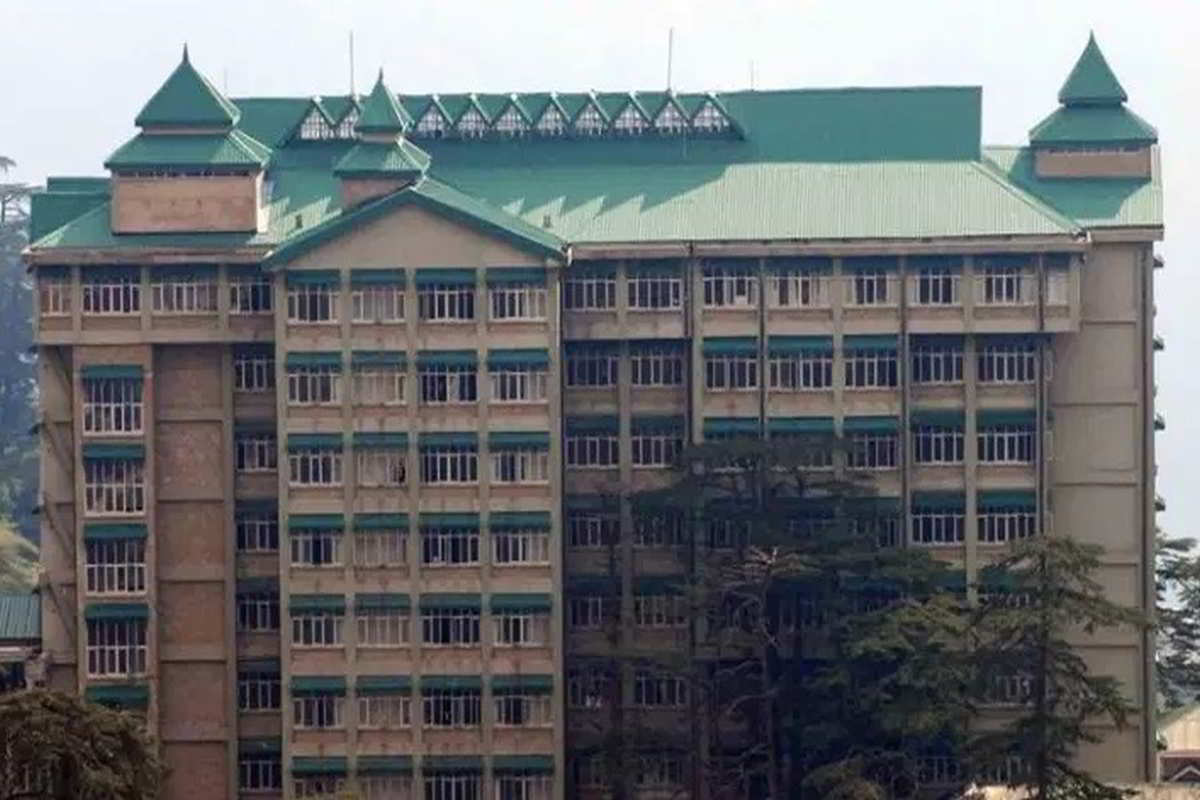
The Himachal Pradesh High Court has granted four weeks of parole to a life convict in a dacoity and murder case, ruling that Nepalese citizenship alone cannot serve as a basis to deny temporary release when a prisoner’s family has established long-term residency in India.
Setting aside a June 23 order that previously denied parole, Justice Rakesh Kainthla directed the temporary release of the prisoner subject to a personal bond of Rs 1 lakh and two surety bonds of equal value. Under the court order, the inmate must maintain good behavior during his release, remain under the supervision of a probation officer, and surrender upon the completion of the four-week period.
Family Ties and Jail Conduct
State authorities had originally rejected the prisoner’s application and opposed the petition citing the gravity of the crime, his Nepalese citizenship, and the potential risk of him fleeing to Nepal. Countering these assertions, defense counsel presented evidence that the convict’s family has lived in Nainital, Uttarakhand, for 30 to 35 years and owns property, including a parental home.
The court noted the inmate’s satisfactory conduct while incarcerated and emphasized the reformative purpose of temporary release. Referencing the Supreme Court ruling in Asfaq v. State of Rajasthan, the bench stated that parole enables prisoners to preserve familial and social ties. The court added that while public safety and reoffending risks are valid considerations, the severity of an offense by itself does not justify denying parole indefinitely.
Absence of Security Risks
Evaluating the legal standards under Rule 3(2) of the Prisoners Rules and Section 6 of the Himachal Pradesh Good Conduct Prisoners (Temporary Release) Act, 1968, the High Court observed that parole may be withheld if release poses a danger to public order or state security. However, the bench determined that state officials failed to submit any persuasive material showing such a threat.
Relying on the precedent set in Arjun v. State of HP, Justice Kainthla affirmed that foreign citizenship cannot automatically disqualify a convict from parole. The court remarked that withholding temporary release indefinitely without adverse evidence undermines the fundamental objective of the law.
Background of the Case
The petitioner was convicted on December 30, 2021, in connection with a 2013 incident registered at the Bagga Police Station in Himachal Pradesh. He was sentenced to concurrent terms of life imprisonment under Indian Penal Code Sections 120B for criminal conspiracy and 396 for dacoity with murder.
In executing the High Court’s ruling, the jail superintendent has been authorized to specify any additional reasonable conditions deemed necessary at the time of the prisoner’s temporary release.




