

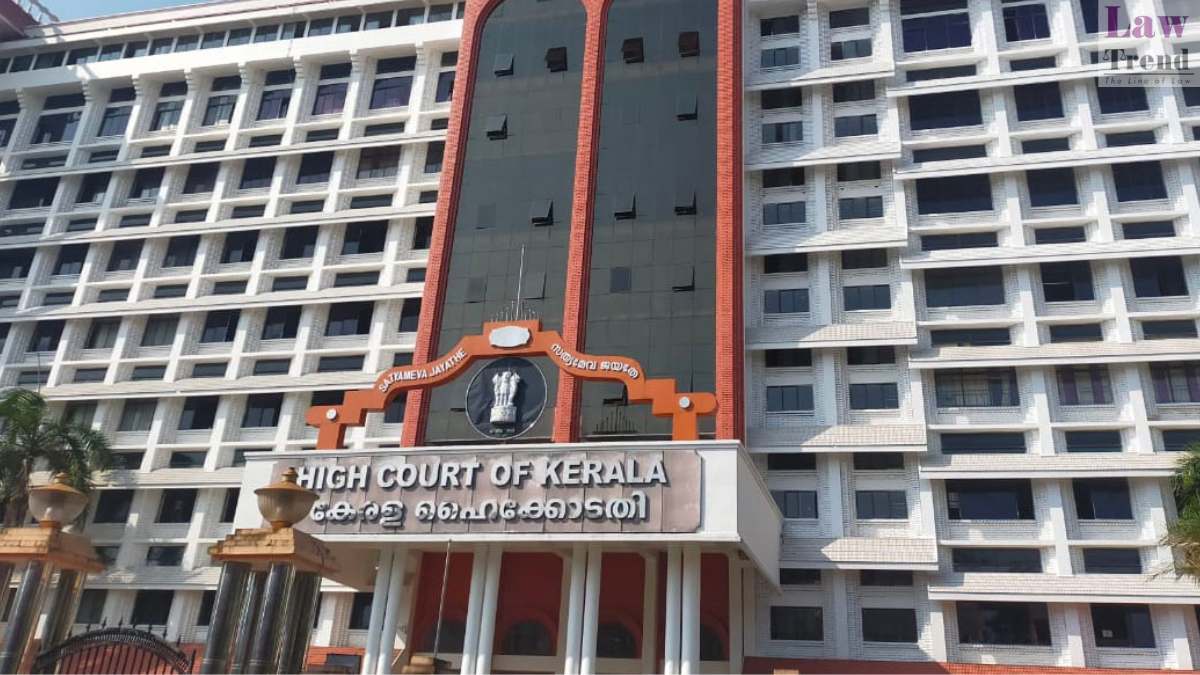
The Kerala High Court has quashed a criminal defamation complaint against a Malayalam media publication and its editorial staff, holding that journalists do not incur criminal liability merely because news coverage of an official law enforcement action causes reputational harm or embarrassment to a litigant.
Delivering the order, Justice C.S. Dias emphasized the legal distinction between an independent defamatory statement and a report covering official actions. The court noted that statutory provisions under Sections 499, 501, and 502 of the Indian Penal Code target culpable defamatory imputations made with a guilty mind, rather than truthful coverage based on official public records.
Legal Protection For Official Action Reports
The ruling resolved a legal petition filed by the chief editor, editor, and reporter of the Malayalam news outlet seeking the dismissal of defamation proceedings initiated against them.
Justice Dias held that if the law grants protection to substantially true reports of court proceedings, there is even less justification to prosecute media organizations for reporting that a competent authority registered a crime and made an arrest. The court stated that adverse publicity or personal embarrassment resulting from news coverage does not, on its own, satisfy the criteria for criminal defamation without proof of intent to cause harm.
Discrepancy In Seized Liquor Volume
The dispute originated from a 2020 law enforcement action in which a man was arrested by excise officials for alleged illegal possession of Indian Made Foreign Liquor. Official excise records documented the seizure of 2.5 liters of liquor, whereas the published news item reported the quantity as 3 liters.
Representing the complainant, advocate B.K. Gopalakrishnan argued that his client was ultimately acquitted of the charges. He contended that the publication of the article alongside his client’s photograph, combined with the incorrect liquor volume, tarnished the individual’s public standing. The complainant further alleged that the report was published maliciously due to prior personal animosity involving the reporter.
In defense of the journalists, advocate Millu Dandapani stated that the article was a faithful and accurate account of official excise actions detailing the arrest. Defense counsel maintained that routine coverage grounded in official occurrences cannot serve as a foundation for criminal prosecution.
Absence Of Intentional Malice
In the August 5 decision, the court concluded that the complaint failed to disclose the essential elements required to establish criminal defamation. Justice Dias observed that the news report was substantially founded upon the official occurrence report generated during the arrest.
The judge ruled that even if specific details in a news report differ slightly from official documents, minor variations do not demonstrate that journalists deliberately fabricated information or acted with a guilty mind. Finding no evidence of an independent defamatory assertion or deliberate malice, the High Court set aside the prosecution.




