

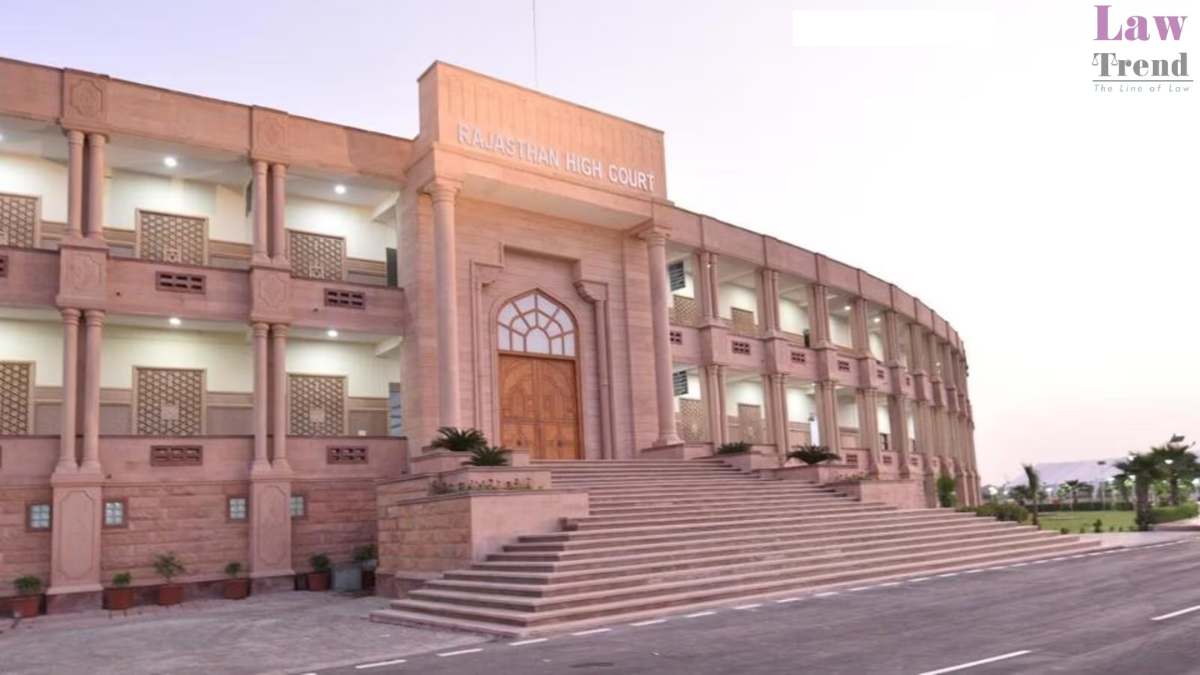
The Rajasthan High Court has paused the demolition of residential properties planned for a road expansion project in Sri Ganganagar district, ordering local authorities to evaluate residents’ claims and plant 10 trees for every tree felled during construction.
In an order issued August 19, Justice Anoop Kumar Dhand instructed civic officials to set up a committee of senior departmental officers within 15 days. The panel is required to review the objections of affected property owners before any further action is taken to clear land for the development.
Addressing the environmental impact of the expansion, the court mandated that municipal bodies document every tree required to be removed for the road work. The administration must then carry out compensatory planting at a ten-to-one ratio in nearby public spaces to ensure long-term ecological benefits for the area.
Property Disputes And Master Plan Execution
The legal challenge arose after the Urban Improvement Trust of Sri Ganganagar initiated steps to clear an 80-foot-wide corridor earmarked under the city’s 1981–2001 Master Plan to relieve traffic congestion. The trust had issued eviction notices to occupiers, maintaining that agreements to sell do not confer legal ownership and that the land belongs to the local body.
Affected residents turned to the judiciary, stating that their objections were ignored before eviction notices were issued. Represented by Senior Advocate Manoj Bhandari alongside advocates Shreyansh Bhandari and Saloni Jain, the petitioners argued that they were in lawful possession of the properties and could not be dispossessed without due legal process and fair compensation.
Constitutional Mandate On Due Process
Justice Dhand noted that while urban bodies hold statutory powers under the Rajasthan Urban Improvement Act of 1959 to execute master plans in the public interest, development initiatives cannot bypass legal procedures. Citing Article 21 of the Indian Constitution, the court affirmed that individuals cannot be deprived of property or personal liberty without proper notice and a meaningful opportunity to be heard.




