

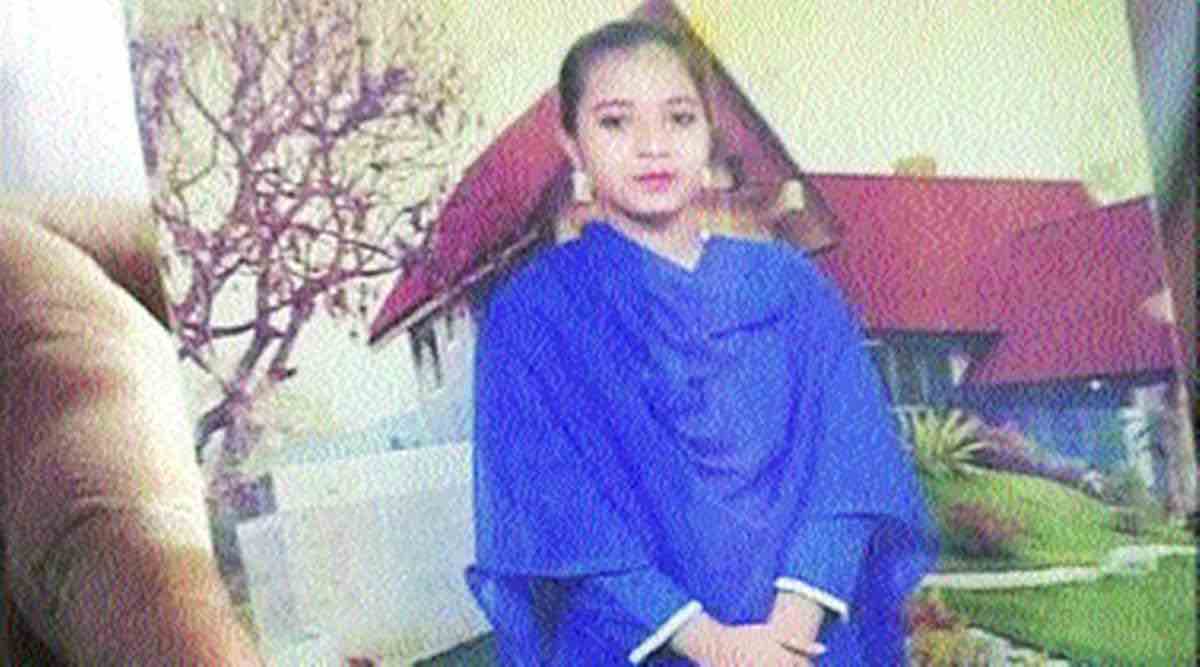
The Delhi High Court on Friday dismissed an appeal by the Delhi Police challenging the bail granted to former Congress councillor Ishrat Jahan in the 2020 Northeast Delhi riots “larger conspiracy” case. A bench of Justices Navin Chawla and Ravinder Dudeja refused to interfere with the trial court’s 2022 order, noting that Jahan has been out on bail for over four years without any allegations of violating her release conditions.
The Delhi Police had approached the High Court seeking to overturn a March 14, 2022, order by a trial court that granted bail to Jahan. The police argued that the trial court’s decision was “perverse” and failed to account for the gravity of the offenses under the Unlawful Activities (Prevention) Act (UAPA).
Authorities alleged that Jahan was a “mastermind” behind the violence that erupted in February 2020 during protests against the Citizenship (Amendment) Act (CAA) and the National Register of Citizens (NRC). The riots resulted in 53 deaths and left over 700 people injured. The prosecution further claimed that the “chakka-jam” (road blockade) organized by the accused constituted a “terrorist act” and that Jahan was “closely connected” to other conspirators.
In dismissing the appeal, the High Court emphasized the time that had elapsed since the initial bail order. The bench observed that the relief was granted more than four years ago and there was no evidence or allegation from the state suggesting that the respondent had misused her liberty.
“Considerable period of more than four years has passed since the impugned order and there is no allegation that the respondent has in any manner violated the terms of the bail. We are not inclined to interfere with the impugned order,” the bench stated.
During the proceedings, Additional Solicitor General S V Raju, representing the Delhi Police, suggested that the court wait for a pending decision in the Supreme Court regarding another accused in the same case, as it might impact the current appeal. However, the bench remarked that “nothing remained in the appeal” given the specific circumstances of Jahan’s conduct while on bail.
The High Court’s refusal to interfere leaves the trial court’s March 2022 findings intact. The trial court had previously noted that while the UAPA carries strict embargoes against bail, Jahan’s specific role justified relief.
Key findings from the trial court included:
- Physical Absence: Jahan was not physically present in North-East Delhi during the peak of the riots.
- Location of Protest: She was involved in a protest at Khureji, which was not located in the immediate riot-affected area.
- Lack of Linkage: Her name did not appear in CCTV footage, conspiratorial meetings, or the flurry of calls associated with the violence.
- Organization Membership: She was not a member of the incriminating WhatsApp groups or organizations alleged to have “created the idea of chakka-jam.”
The High Court clarified that its dismissal of the police appeal does not constitute an expression of opinion on the actual merits of the case against Jahan.
The case involves several high-profile individuals, including Umar Khalid and Sharjeel Imam, who remain in custody. Notably, on September 2, 2025, a different bench of the High Court denied bail to Imam, Khalid, and Meeran Haider. Ishrat Jahan remains one of the few accused in the “larger conspiracy” FIR to be granted bail.


