

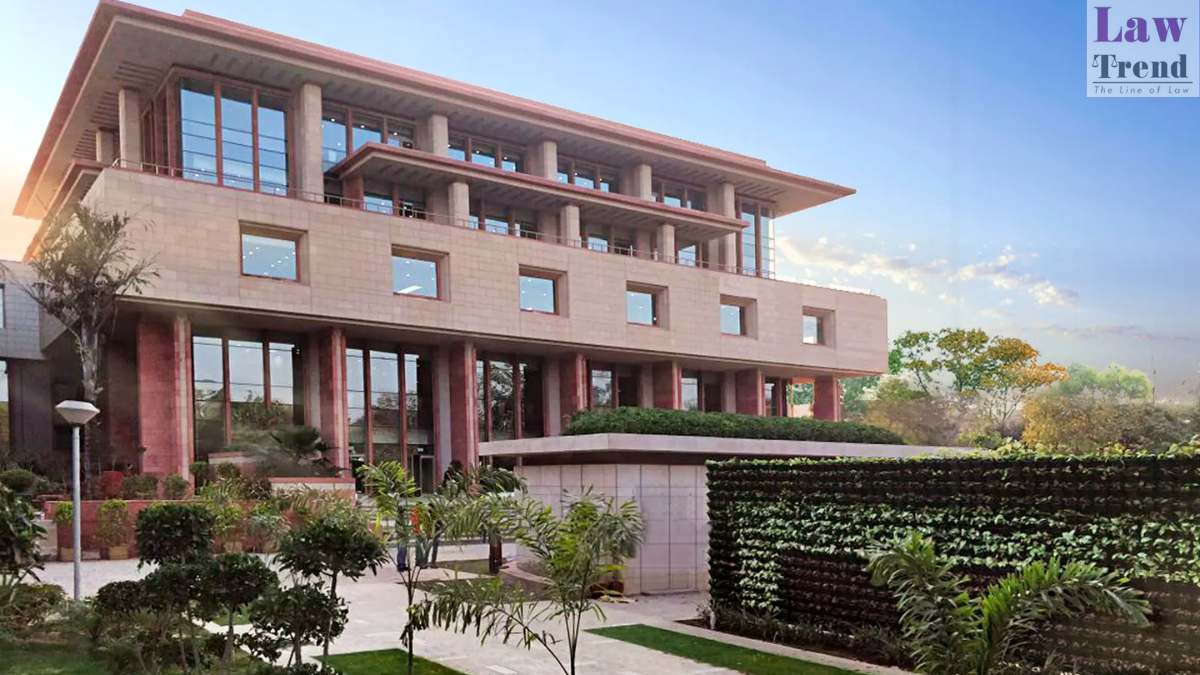
The Delhi High Court has dismissed an appeal by a husband seeking to dissolve his nearly 18-year marriage, ruling that allegations of being sedated during the wedding ceremony cannot be used to void the union after nearly two decades, nor does paying court-mandated spousal maintenance automatically create grounds for divorce.
In an August 18 judgment, a division bench comprising Justice Vivek Chaudhary and Justice Renu Bhatnagar held that claims of being under the influence of a sedative during marriage rites fall under Section 12(1)(c) of the Hindu Marriage Act. This provision renders a marriage voidable if consent was obtained through force or fraud, requiring a petition for annulment to be filed within one year of discovering the deception.
The bench criticized the husband for taking contradictory legal positions, noting that a party cannot simultaneously challenge the existence of a marriage while seeking its dissolution under the Hindu Marriage Act on grounds of desertion. The court also clarified that paying a monthly maintenance of Rs 10,000 under judicial orders is a mandatory legal obligation and does not entitle a spouse to a divorce decree.
Chronology of the Dispute
The couple married in 2008 according to Hindu rites at an Arya Samaj Mandir and have no children. Following marital discord, the wife filed a cruelty complaint in June 2008. Later that year, she petitioned to restore her marital rights and resume living together, a plea granted in her favor in September 2013.
Despite the judicial ruling in favor of cohabitation, the couple remained separated. In April 2016, the husband filed a petition seeking a decree of divorce, which was dismissed by a family court, prompting his appeal to the High Court.
Efforts for Reconciliation
Representing the husband, advocate Girish Chander argued that the marriage was invalid due to the alleged sedation and contended that the wife had lived separately without valid cause since September 2013. He submitted that his client had fulfilled his statutory duties by consistently paying monthly maintenance.
Representing the wife, advocate Paritosh Singh Rajput opposed the appeal, asserting that his client had always been willing to resume living with her husband and withdraw all pending legal proceedings. He stated that the husband had deserted her without sufficient reason.
The High Court observed that the husband had made no genuine attempt to reunite before filing for divorce or following earlier court orders, whereas the wife remained willing to resume cohabitation. Rejecting the appeal, the bench stated that irretrievable breakdown of marriage is not a standalone legal ground for divorce under current law and emphasized that legal requirements cannot be replaced by personal sentiments.




