

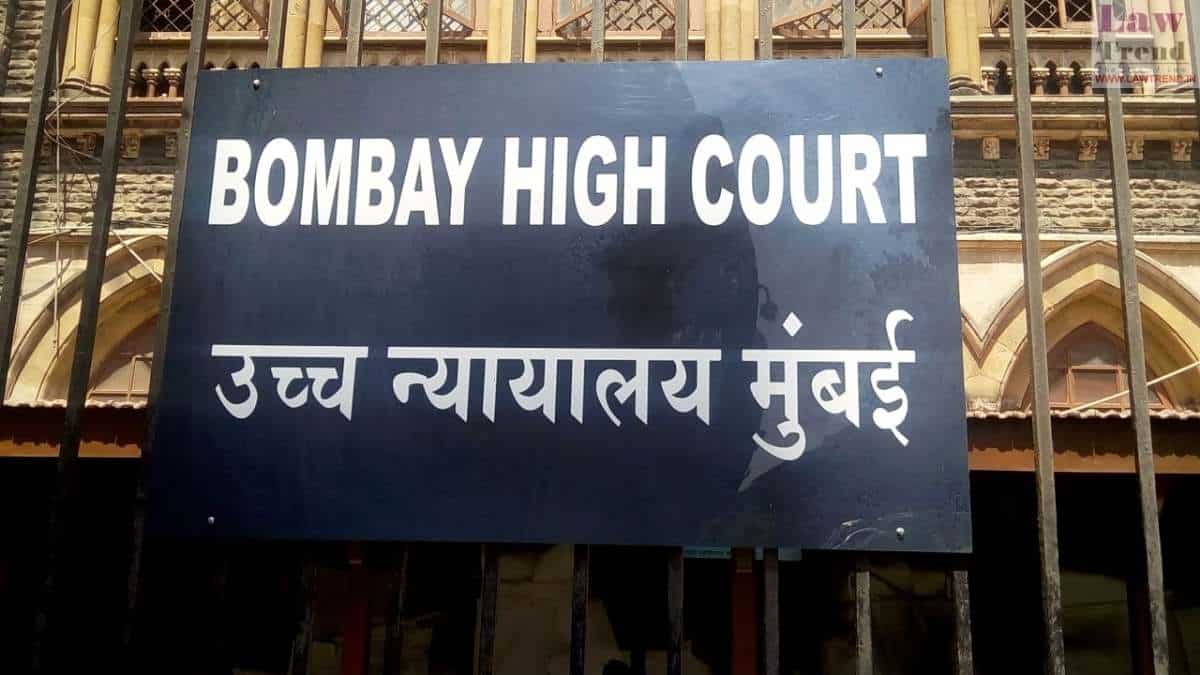
The Bombay High Court has affirmed a 1998 decision denying Scheduled Caste recognition to a Muslim man, ruling that under existing constitutional law, such status remains limited exclusively to individuals professing the Hindu, Sikh, or Buddhist faiths.
A division bench comprising Justices Urmila Joshi Phalke and Nivedita P Mehta delivered the verdict on July 27, declining the petitioner’s request to strike down Paragraph 3 of the Constitution (Scheduled Castes) Order, 1950. The judges held that Article 141 of the Constitution makes established Supreme Court law binding on all courts in the country, leaving the High Court duty-bound to enforce current legal standards.
The legal dispute originated in November 1998, when the Caste Certificate Scrutiny Committee in Nagpur rejected the petitioner’s claim for Scheduled Caste status under the “Bahna” category because he is Muslim. The petitioner filed a petition in the High Court in 1999, challenging the committee’s decision and arguing that Paragraph 3 of the 1950 Order violated constitutional guarantees under Articles 14, 15, 16, and 25.
Supreme Court Precedent And Binding Law
Addressing arguments from petitioner’s counsel Akshaya Sudame that related proceedings pending before the Supreme Court warranted an independent review, the High Court held that ongoing top-court deliberations do not suspend existing legal precedent. The bench observed that setting aside established law merely due to pending cases would introduce uncertainty into judicial administration and breach Article 141 mandates.
Deputy Solicitor General of India Kartik Shukul, along with advocates Gaurav Khatwani and Prutha Hardas, represented the opposing side, contending that courts must apply declared law while allowing litigants to seek remedies if future apex court judgments alter legal standards.
Procedural Background And Legal Standards
The High Court ruling follows a May 5 decision by the Supreme Court rejecting the petitioner’s request to transfer his case to the top court, where a wider constitutional challenge against the 1950 Order remains pending. Finding no legal necessity for a transfer, the Supreme Court instructed the High Court to resolve the petition within four months.
Earlier, on July 8, 2022, the High Court had lifted a stay on an interim order protecting the petitioner’s employment, noting that consequential relief could be granted if he ultimately prevailed in the Supreme Court challenge.
Paragraph 3 of the 1950 Order explicitly states that no person professing a religion other than Hinduism, Sikhism, or Buddhism can be deemed a member of a Scheduled Caste. In rendering its decision, the High Court adhered to the Supreme Court precedent set in Soosai vs. Union of India. In that case, involving a Christian claimant, the apex court ruled that extending Scheduled Caste classification to non-covered religious communities requires showing comparable levels of social, economic, cultural, and educational backwardness that necessitate state intervention.




