

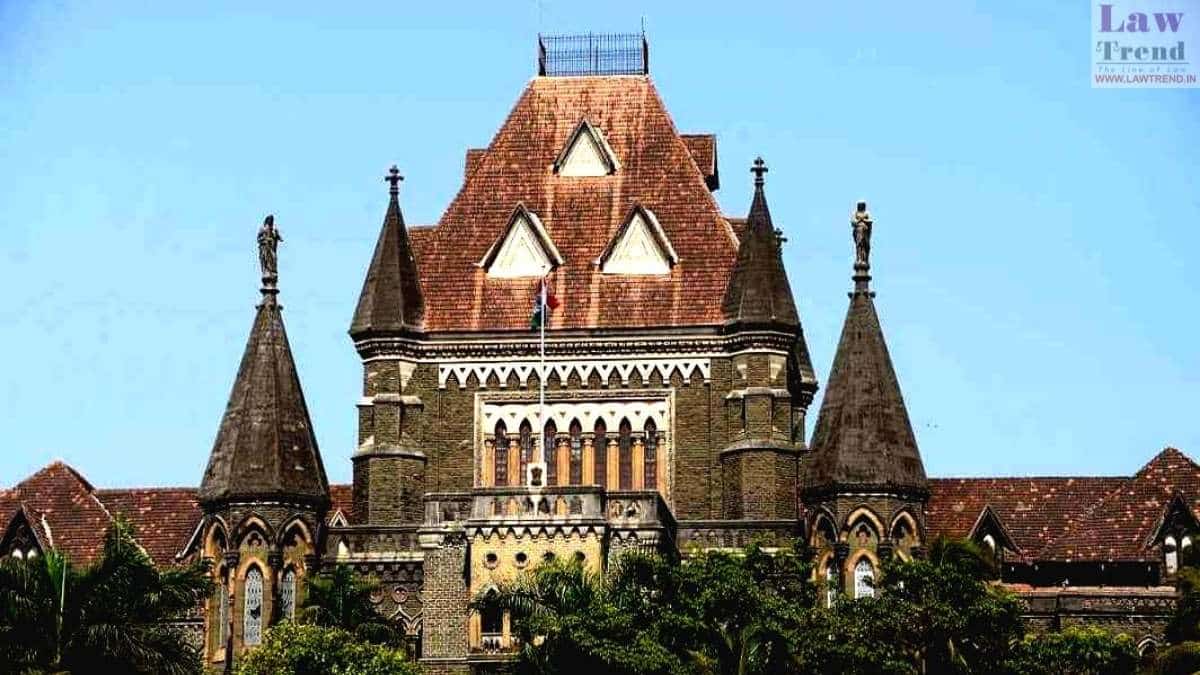
The Bombay High Court has set aside a one-year externment order issued by the Mumbai Police against a political activist, ruling that organizing peaceful protests and shouting slogans against the ruling government cannot justify stripping citizens of their constitutional right to free movement.
Justice Madhav J. Jamdar described the police department’s action as malicious and legally invalid, emphasizing that the freedom to express opinions and live with dignity are fundamental rights protected under Articles 19 and 21 of the Indian Constitution. The court cautioned law enforcement officials that they are public servants rather than tools of high-ranking government figures.
The decision came in response to a petition filed by Saeed Ahmad Abdul Wahid Chaudhary, the 49-year-old general secretary of the Socialist Democratic Party of India. Chaudhary challenged a December 3, 2025, ban issued by the Deputy Commissioner of Police for Zone 6 in Chembur, which sought to exclude him from the area for a year.
Police Actions Challenged
The externment proceedings began with an October 2025 show-cause notice, relying on several First Information Reports registered against Chaudhary between 2019 and 2024. These cases stemmed from demonstrations he organized or joined, including protests against the central government’s decisions on the Citizenship Amendment Act, the National Register of Citizens, the Babri Masjid dispute, and the sealing of the Gyanvapi mosque.
Representing Chaudhary, advocates Payoshi Roy and Ibraheem Harbat argued that the police action was designed to keep the activist away from upcoming civic elections, thereby suppressing legitimate democratic opposition.
Lack Of Legal Basis
The petitioner’s legal team pointed out that all previous allegations against Chaudhary fell under Section 188 of the Indian Penal Code, which addresses disobedience to public servants and carries a maximum prison sentence of one month. They argued that these minor infractions did not meet the criteria of Section 56 of the Maharashtra Police Act, which permits externment only when an individual’s actions pose an immediate danger or threat of harm to people or property.
Justice Jamdar agreed with the defense, noting there was no evidence on record indicating that Chaudhary’s activities threatened public safety. He questioned why citizens should face severe restrictions like externment merely for raising slogans critical of the Bharatiya Janata Party and Union Home Minister Amit Shah during demonstrations.
Although the state’s legal representative argued that the externment was justified because the protests were conducted without official police permission, the High Court rejected this stance. The court concluded that restricting a citizen’s movement simply for opposing central government policies constitutes a violation of fundamental constitutional rights.




