

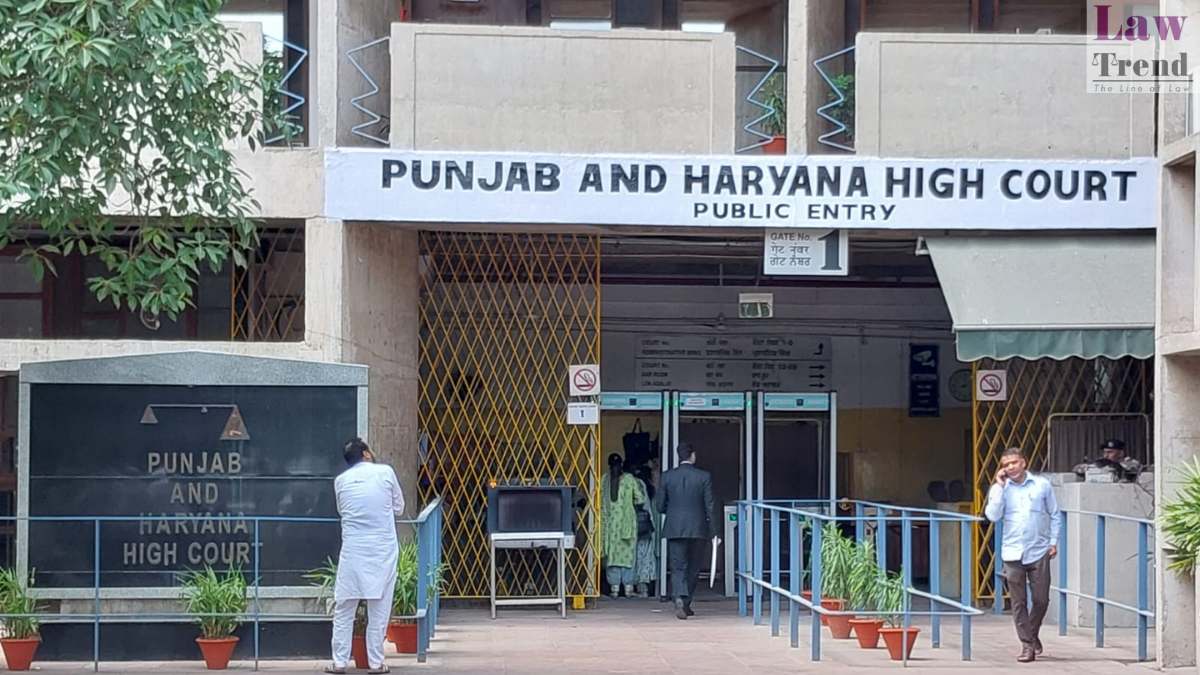
An Australian domestic driving licence does not grant authorization to operate a vehicle on Indian roads without a valid international driving permit or local endorsement, the Punjab and Haryana High Court has ruled while upholding an insurance company’s right to recover compensation from an overseas licence holder.
Justice Deepak Gupta dismissed an appeal filed by a car driver who challenged a Motor Accidents Claims Tribunal order holding him and the vehicle owner liable for a fatal 2015 road accident in which a nine-month-old girl died. In the order passed on September 7, the high court affirmed that the insurer must first pay Rs 2.49 lakh to the victim’s family and subsequently recover the full sum from the driver and the car owner.
Absence Of International Permit
Dismissing the appellant’s contentions, the court clarified that possessing a driving licence that is valid in its country of issuance does not automatically confer driving privileges in India.
The driver had presented a motor vehicle licence issued by authorities in Victoria, Australia, which remained valid through April 11, 2017. However, the court observed that during cross-examination, the man conceded that he held no driving licence issued by an Indian licensing authority.
Justice Gupta noted that the driver failed to show that his Australian credential satisfied the legal criteria applicable to foreign nationals or temporary visitors driving in India. The court emphasized that the driver had produced neither a recognized international driving permit nor any endorsement or authorization from a competent Indian authority.
The court added that a foreign-issued licence cannot be treated as valid under Indian law merely because it permits an individual to operate the same category of vehicle in that foreign country.
Tribunal Award And Appeal
The underlying case stems from a road collision on August 31, 2015. According to eyewitness accounts from the infant’s father and a co-passenger on the motorcycle involved in the crash, a speeding car struck the motorcycle from behind while attempting to overtake it, resulting in the nine-month-old girl’s death.
In May 2016, the Motor Accidents Claims Tribunal awarded Rs 2.49 lakh in compensation to the child’s family, determining that the driver and the car owner were jointly and severally liable. Because the driver lacked a valid licence to drive in India, the tribunal directed the insurer to disburse the compensation to the family first and then recover the amount from the driver and owner.
Following the tribunal’s decision, the driver appealed to the high court. He also underwent criminal prosecution connected to the accident, which concluded in his acquittal.
Arguments Before The Court
Before the high court, counsel for the driver, advocate Prateek Mahajan, argued that the tribunal erred in disregarding the Australian licence simply because it lacked Indian issuance or endorsement. The defence also maintained that the man was not behind the wheel at the time of the collision.
Appearing for the insurance company, advocate Vinod Chaudhari countered that an Australian domestic licence, lacking the backing of a valid international driving permit or Indian-recognized clearance, does not legally authorize a person to drive in a public place in India. The insurer further highlighted the driver’s own admission under cross-examination that he held no Indian licence.
The high court rejected the driver’s denial of his presence behind the wheel, citing the direct testimonies of the child’s father and the motorcycle occupant who identified him as the driver.
Concluding the matter, Justice Gupta ruled that neither the foreign domestic licence nor the driver’s acquittal in the related criminal prosecution warranted any interference with the insurer’s established right of recovery.


