

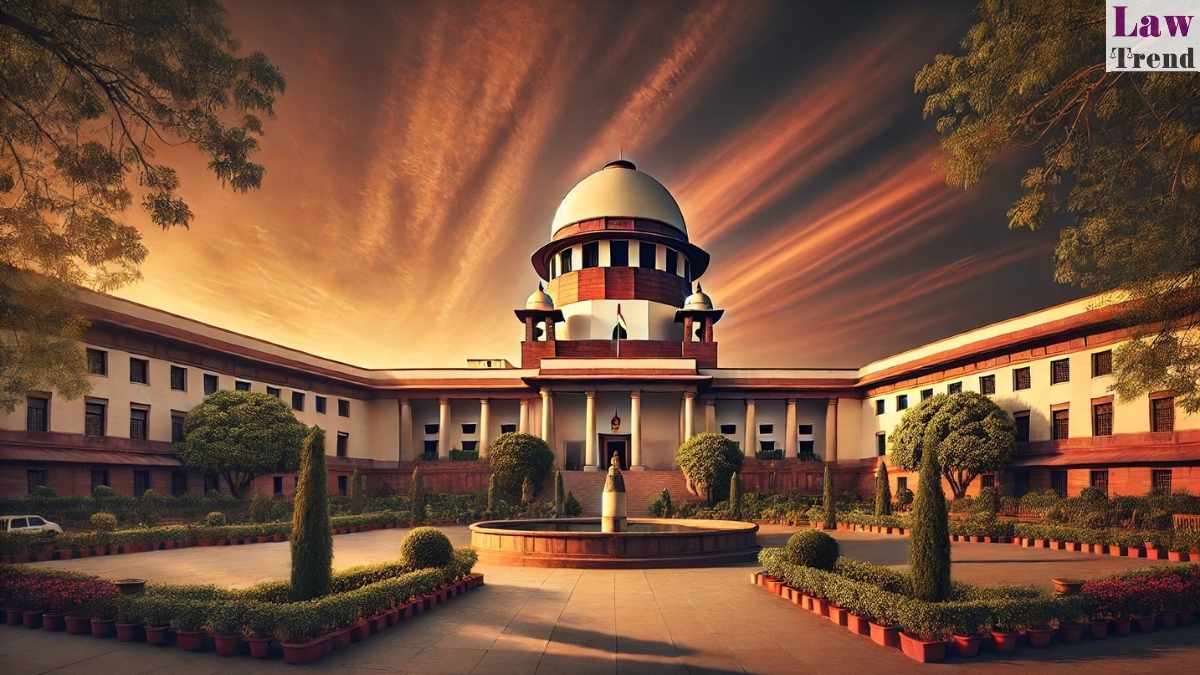
The Supreme Court on Monday declined to entertain a petition filed by Sukesh Chandrasekhar challenging the Delhi High Court’s refusal to stay his conviction in a case involving the impersonation of a Supreme Court judge to influence judicial proceedings.
A Bench of Justice J B Pardiwala and Justice Manmohan refused to entertain Chandrasekhar’s plea against the High Court’s October 16 order, which had found no grounds to suspend his conviction while his criminal appeal remained pending.
Chandrasekhar was convicted by a Delhi court on August 20 for impersonating a Supreme Court judge in an attempt to influence a special judge handling his bail proceedings in a 2017 corruption case. On August 29, the trial court sentenced him to eight years of imprisonment.
High Court Left Conviction Challenge to Appellate Court
Before approaching the Supreme Court, Chandrasekhar had challenged the trial court’s refusal to stay his conviction and sentence during the pendency of his appeal.
The Delhi High Court disposed of his petition on October 16, observing that his objections to the trial court’s findings, including adverse remarks and expressions used in the conviction judgement, should be examined in the pending criminal appeal.
The High Court permitted Chandrasekhar to raise all his contentions before the appellate court but declined to stay the conviction.
Eight-Year Sentence for Impersonating Supreme Court Judge
The trial court awarded Chandrasekhar separate prison terms for three offences. He received two years of rigorous imprisonment for impersonating a public servant, another two years for intimidating a public servant, and four years for criminal intimidation through anonymous communication.
The court ordered the sentences to run consecutively, resulting in a total imprisonment term of eight years.
Describing the conduct as “institutional sacrilege”, the trial court found that Chandrasekhar had deliberately assumed the identity of a Supreme Court judge to interfere with the administration of justice.
Phone Call Made While in Police Custody
The prosecution case concerned an incident on April 28, 2017, when Chandrasekhar was in police custody in connection with a corruption investigation.
According to the prosecution, he obtained access to a police constable’s mobile phone and used it to contact Poonam Chaudhary, who was then serving as a special judge hearing cases under the Prevention of Corruption Act.
Chandrasekhar allegedly contacted both her official landline and mobile phone, initially presenting himself as the private secretary of a former Supreme Court judge and subsequently impersonating the judge.
The trial court concluded that the prosecution had proved beyond reasonable doubt that Chandrasekhar intentionally impersonated a Supreme Court judge in an effort to influence the judicial process.
With the Supreme Court declining to entertain his petition, Chandrasekhar’s challenge to the trial court’s findings remains a matter for consideration in his pending criminal appeal.


