

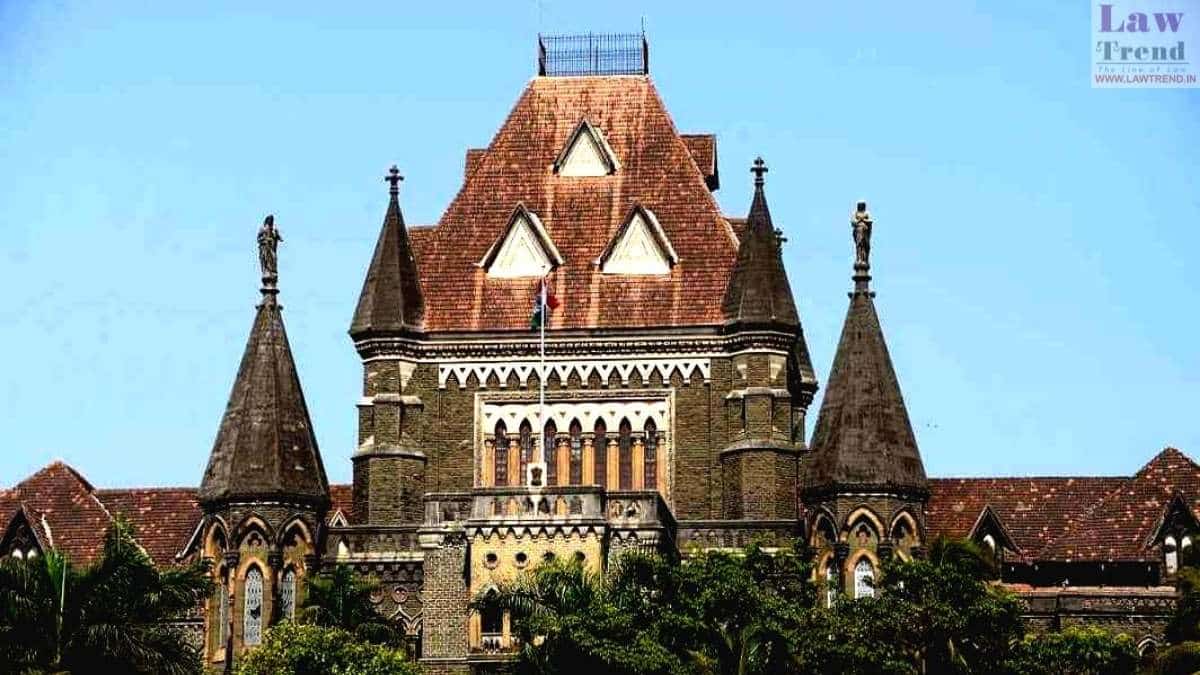
The Bombay High Court on Friday declined to examine the merits of petitions challenging the Maharashtra Special Public Security Act until the political parties and activists behind the challenge formally establish their authority to file the litigation.
A division bench comprising Chief Justice Mahesh Chandra Tripathi and Justice Advait Sethna directed petitioners, which include the Congress party, the Communist Party of India, and several civil rights activists, to submit documentation verifying their credentials. The court instructed them to produce official registration certificates, rosters of office-bearers, and organisational constitutions to confirm who they represent before the legal challenge can move forward.
The matter has been listed for its next hearing on October 22.
Proof of Legal Standing Demanded
During the hearing, Chief Justice Tripathi noted that the bench required clarity on the exact representation of the petitioning groups. The court made it clear that substantive arguments regarding the constitutional validity of the statute would not be entertained until these preliminary verification requirements are fulfilled.
The petitions seek an interim stay on the enforcement of the newly enacted legislation and ask the high court to strike down the statute as unconstitutional, alleging it breaches fundamental rights.
Petitioners Cite Threat to Dissent
Enacted to curb the activities of Left Wing Extremist groups and affiliated organisations, the Maharashtra Special Public Security Act grants the state administration sweeping powers to designate suspected groups as unlawful. Under the statute, membership in a banned group is criminalised, while non-members can face prosecution for assisting in management or soliciting funds on behalf of such bodies.
Challenging these measures, the petitioners argue that the statute confers excessive and arbitrary authority upon the executive branch to prohibit organisations and confiscate assets using overly broad and undefined parameters. The groups contend that the provisions are designed to silence peaceful and constitutionally protected political opposition.
Arguments Over Executive Discretion
Appearing on behalf of one of the petitioners, senior advocate Navroz Seervai told the bench that allegations of urban Naxalism serve as a cover to clamp down on routine democratic participation. He warned that the statute creates widespread apprehension among citizens planning to convene public meetings or articulate political views.
Seervai argued that the law allows the government, acting entirely on its own subjective discretion, to seize property if it suspects individuals holding gatherings belong to the political left. He noted that neither left-leaning nor right-leaning political philosophies are prohibited under the Constitution of India, arguing that the administration lacks an objective benchmark for defining and targeting left-wing ideology.
The bench will revisit the maintainability of the petitions once the required organisational records are placed on file next week.




