

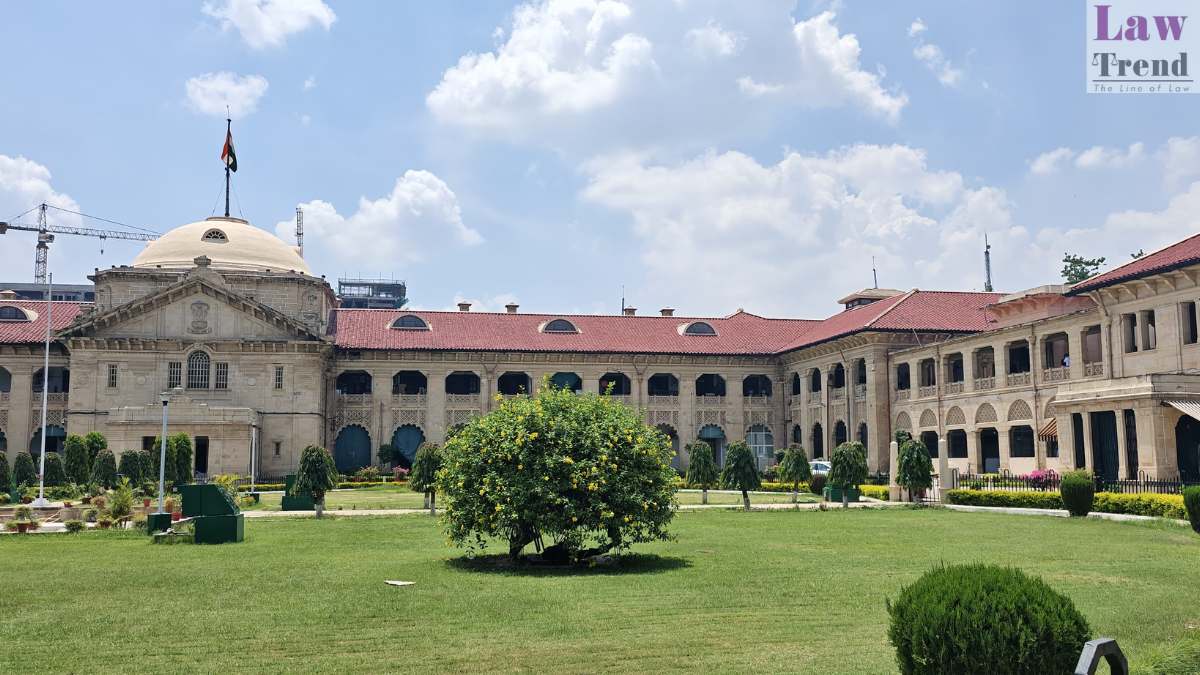
The Allahabad High Court has ruled that parents cannot use a habeas corpus petition to force an adult daughter to live with them against her wishes, establishing that an adult individual’s personal liberty and residential decisions must be respected.
Justice Sandeep Jain dismissed a petition moved by a mother seeking the custody of her 25-year-old daughter, observing that habeas corpus jurisdiction exists exclusively to prevent unlawful detention and cannot be utilized to override the personal autonomy of a legally competent adult.
Daughter Rejects Parental Custody
The ruling arose from a plea filed by Kalawati Devi, who sought judicial intervention for the production of her daughter, Pooja. On August 17, 2026, the high court ordered the administration to locate and produce the young woman. Following the directive, personnel from the Ghosi police station in Mau district presented Pooja before the court.
During her examination by the bench, Pooja stated that she was living independently in Delhi entirely by her own choice and was not subjected to any illegal or unauthorized restraint.
She explicitly stated that she did not want to return to her mother, alleging that her treatment at the family residence had been hostile and marked by repeated abuse and assault. Kalawati Devi disputed the allegations in court and maintained that she wanted her daughter to return to the family home.
Decisional Autonomy Upheld
After examining Pooja’s statement, Justice Jain noted that she is an adult who had voluntarily and consciously decided not to live with her mother.
The bench held that a person who has attained majority cannot be coerced into residing with anyone against their will simply because that person is their parent. The court affirmed that once an individual reaches the age of majority and articulates an unambiguous personal choice regarding their place of residence, their decisional independence must receive legal recognition.
Absence of Unlawful Confinement
In the order dated September 28, the court emphasized that habeas corpus proceedings are intended specifically to remedy illegal or wrongful confinement. Because Pooja was living in Delhi voluntarily and without unlawful detention, the bench concluded that the legal grounds required to maintain the petition were absent.
Noting that no case of illegal detention had been established against any party, Justice Jain held that no relief could be granted under the court’s writ jurisdiction and formally dismissed the petition.




