

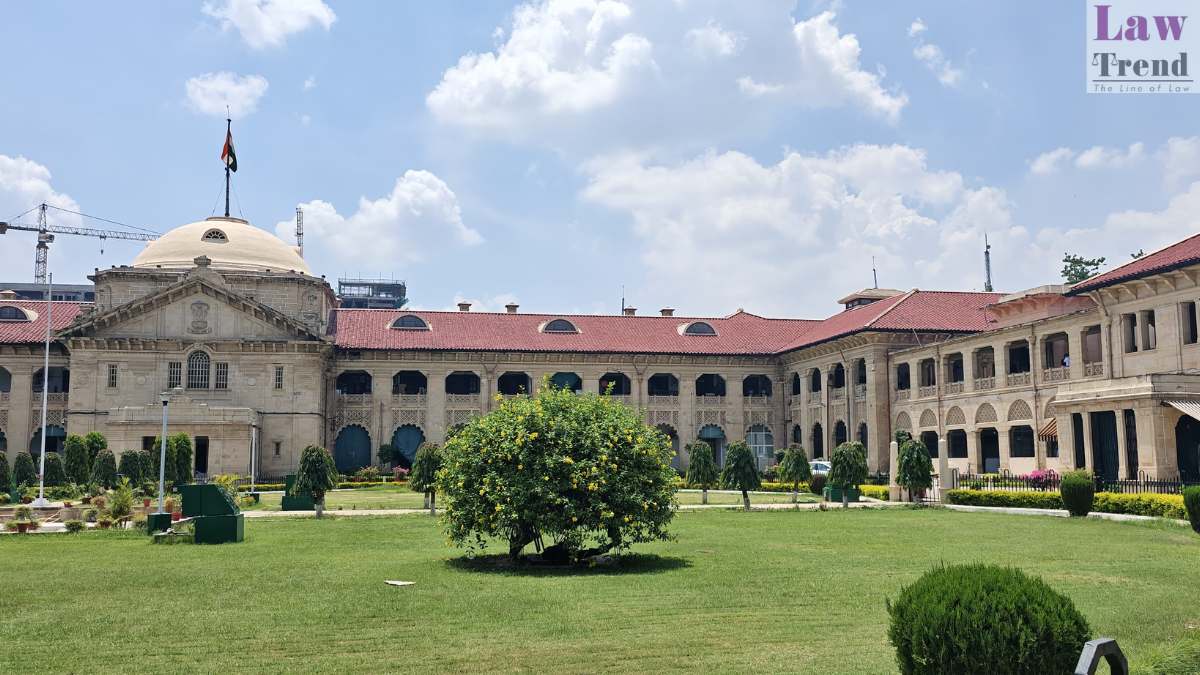
The Allahabad High Court has sought an explanation from an Azamgarh judicial officer for granting short-term anticipatory bail of just 30 days, observing that restricting pre-arrest relief to brief intervals subjects accused persons to unnecessary harassment.
Hearing a challenge to a lower court ruling, Justice Madan Pal Singh directed the concerned judge to state the circumstances that warranted a 30-day protection window. The High Court further asked the judge to disclose the total number of cases in which he has sanctioned limited-period anticipatory bail for intervals such as 20, 30, or 40 days.
Concerns Over Repeated Bail Pleas
The bench questioned what steps the accused were anticipated to take once the 30-day window lapsed, particularly whether they would be forced to surrender before the trial court and submit another anticipatory bail plea. Justice Singh noted that such temporal curbs compel individuals to pursue successive applications, causing unwarranted hardship.
The High Court reaffirmed the established legal position that a bench evaluating an anticipatory bail request must either grant protection lasting until the end of the trial with appropriate conditions or dismiss the application entirely after weighing the seriousness of the alleged offence.
Background of the Azamgarh Ruling
The directive came during proceedings on an application filed by Suresh Yadav and two others contesting a December 23, 2025 order issued by the Additional Sessions Judge, Court No. 1, Azamgarh.
The applicants contended that no grounds existed for setting a time restriction on their relief, emphasizing that investigators had not arrested them throughout the inquiry or up to the submission of the final report.
The High Court noted that the chargesheet in the matter had already been presented and the trial court had formally taken cognisance of the case. Furthermore, the alleged offences carried a maximum penalty of under seven years of imprisonment. Despite these elements, the trial judge had provided no specific reasoning in the order to explain why the anticipatory bail was restricted to only a month.
The High Court has scheduled the matter for its next hearing on September 30.




