

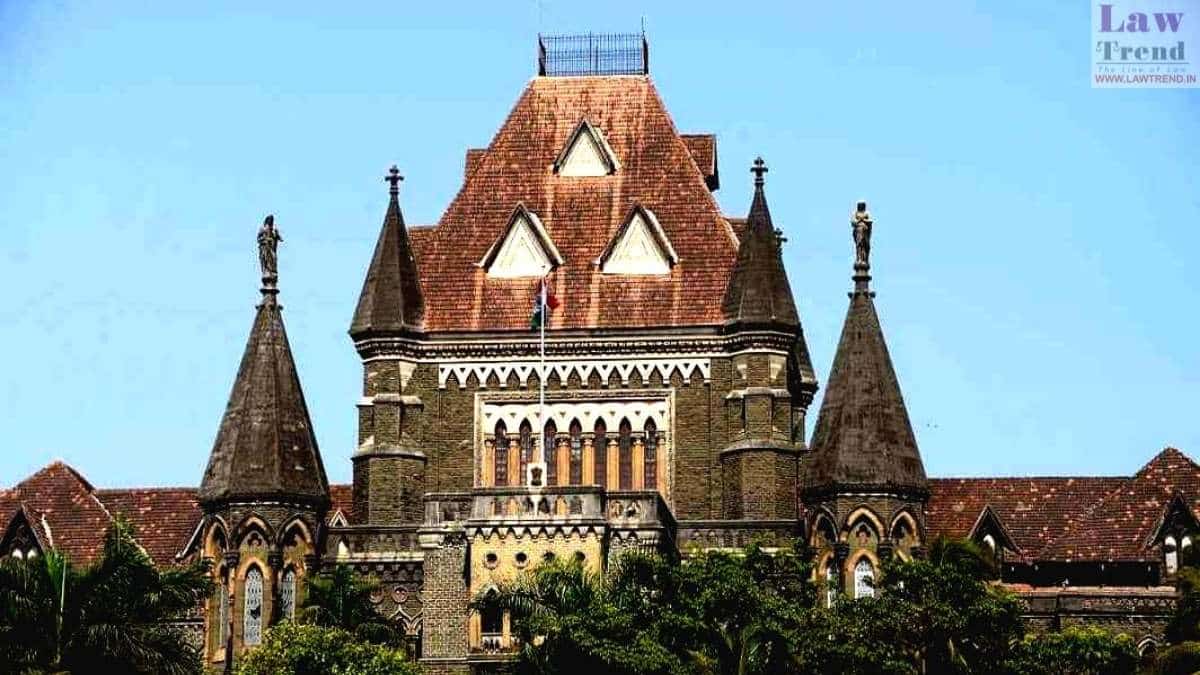
The Bombay High Court has overturned a Pune family court ruling that declined to waive the statutory six-month cooling-off period for an estranged couple seeking divorce by mutual consent, holding that trial courts should not intervene in financial arrangements when neither party has raised an objection.
Delivering the ruling on September 7, Justice Shivkumar Dige held that the Pune court exceeded its authority by creating an issue over financial terms. Justice Dige noted that when both spouses jointly seek the dissolution of their marriage and the wife raises no grievance regarding the financial settlement, a judge ought not to reject the waiver application on monetary grounds.
Lower Court Relied On Supreme Court Precedent
The dispute reached the High Court after a Pune family court judge in August dismissed the couple’s joint plea for an immediate waiver under Section 13B(2) of the Hindu Marriage Act, 1955.
In turning down the application, the family court cited the Supreme Court judgment in Amardeep Singh vs Harveen Kaur, which sets the guidelines for waiving statutory waiting periods. Under the third condition of that precedent, parties must resolve all existing disputes, including those concerning custody and permanent alimony. The family court held that this requirement had not been satisfied because the husband had not yet paid the full sum of permanent alimony, treating the balance as an unresolved monetary conflict.
Couple Cited Irretrievable Breakdown And Emotional Agony
The couple—a 51-year-old man residing in Pune’s Kothrud neighbourhood and a 44-year-old woman living in Mumbai—had submitted their joint Section 13B petition before the Pune Family Court on July 2.
The two had lived apart for over 18 months as their professional obligations required them to stay in separate cities. In their petition, they stated that all attempts at conciliation had been unsuccessful and resuming marital cohabitation was no longer possible. They requested the court to dispense with the six-month statutory waiting window, contending that compelling them to wait would simply prolong their emotional distress.
Counsel Welcomes Order On Matrimonial Realities
Following the family court’s adverse decision, the couple moved the Bombay High Court to challenge the order.
The husband was represented before the High Court by a team of lawyers comprising Advocates Mayur Salunke, Ajinkya Salunke, Amol Khobragade, and Pallavi Salunke.
Reacting to the decision, advocate Mayur Salunke stated that the ruling marked a clear win for personal dignity and judicial efficiency, adding that it served as an important reminder that legal procedures must align with the practical realities of modern matrimonial disputes.


