

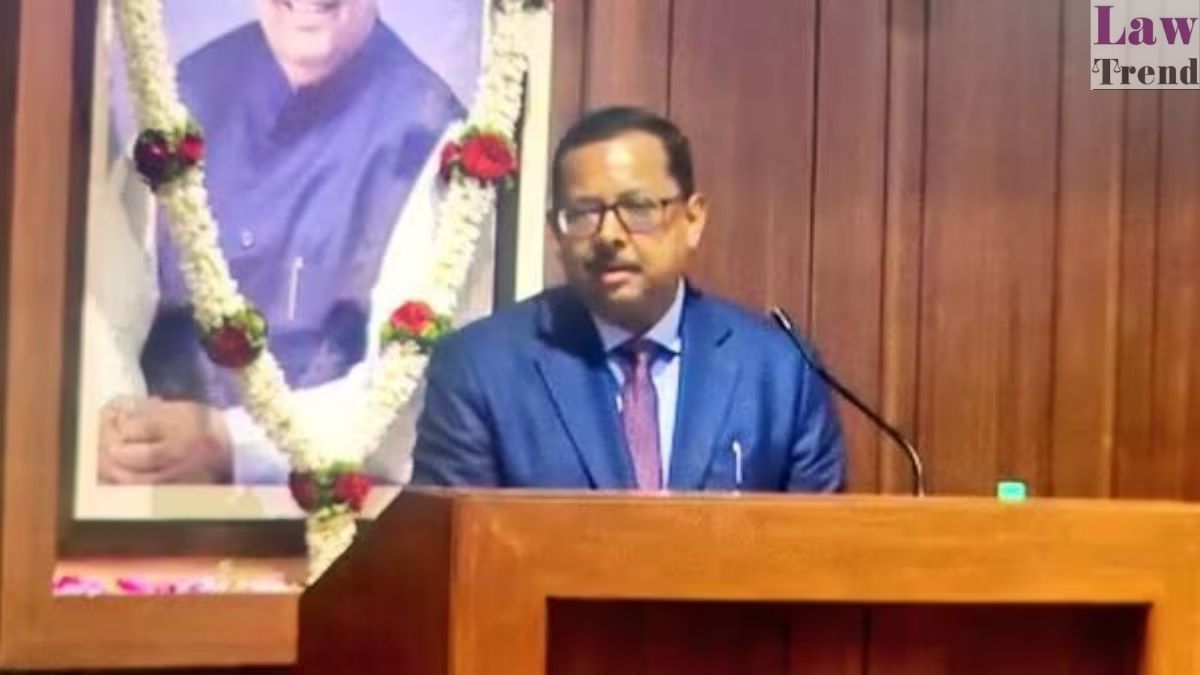
Trial courts across India should conduct a dedicated clearance drive and grant a one-time amnesty in non-serious criminal matters to alleviate severe institutional congestion, Supreme Court judge Justice Ujjal Bhuyan said on Friday.
Addressing an event in New Delhi on the ethics of criminal litigation, Justice Bhuyan warned that courts are being overwhelmed by groundless prosecutions initiated over minor grievances. He noted that official figures from the National Judicial Data Grid showed over 4.27 crore criminal matters pending throughout the country as of September 17, with trial courts holding 95 percent of that volume. Superimposing trivial disputes onto this backlog, he said, has placed an unworkable strain on an infrastructure already struggling to function.
To allow judicial resources to focus on matters requiring serious attention, Justice Bhuyan recommended an across-the-board amnesty covering non-sessions and non-serious offenses, coupled with an active push by trial courts to weed out unwarranted litigation.
Rise In Baseless Criminal Registrations
Justice Bhuyan expressed alarm over the frequent invocation of criminal law against everyday conduct, citing actions taken against individuals for their food choices, recitation of poetry, bail demonstration slogans, protest participation, social media commentary, stand-up comedy, and the naming or themes of books and movies.
He noted that proceedings are regularly launched because individuals take offense at the slightest provocation. While describing such allegations as an affront to intelligence, the judge stated that law enforcement agencies routinely file chargesheets and pursue trials despite knowing the inevitable outcome, directly worsening the judicial logjam.
Concerns Over Custodial Violence And Police Conduct
The judge also expressed grave concern regarding a resurgence in police abuses, observing that extrajudicial killings are climbing and indicate deep operational and investigative breakdowns. He remarked that he had previously believed guidelines established in the landmark 1997 D.K. Basu ruling had relegated custodial torture to the past, but current realities have forced him to re-evaluate that view.
Questioning police operations that involve transporting detainees to alleged crime sites during late hours, often resulting in fatal encounters, Justice Bhuyan also rebuked young officers who physically assault demonstrators during public protests. He noted that such displays of unrestrained anger explain why judges hesitate to grant police custody.
Independence Of Prosecutors And Institutional Fairness
Examining the role of state attorneys, Justice Bhuyan emphasised that decisions to withdraw criminal cases must stem from an independent assessment rather than obedience to executive instructions. While acknowledging that socio-economic vulnerabilities make it difficult for public prosecutors to resist demands from higher authorities, he voiced skepticism over whether officers willing to demonstrate such independence still exist.
He concluded that overall trust in the justice system requires absolute integrity from both sides of the courtroom, stressing that convictions are only legitimate when secured through fair procedures and acquittals are only valid when pursued honestly.
The seminar, organised at the India International Centre by the Centre for Discourse on Criminal and Constitutional Jurisprudence, also featured addresses by Supreme Court judge Justice Abhay S. Oka and Delhi High Court judge Justice Amit Sharma, with senior advocates, former judges, and bar members in attendance.




