

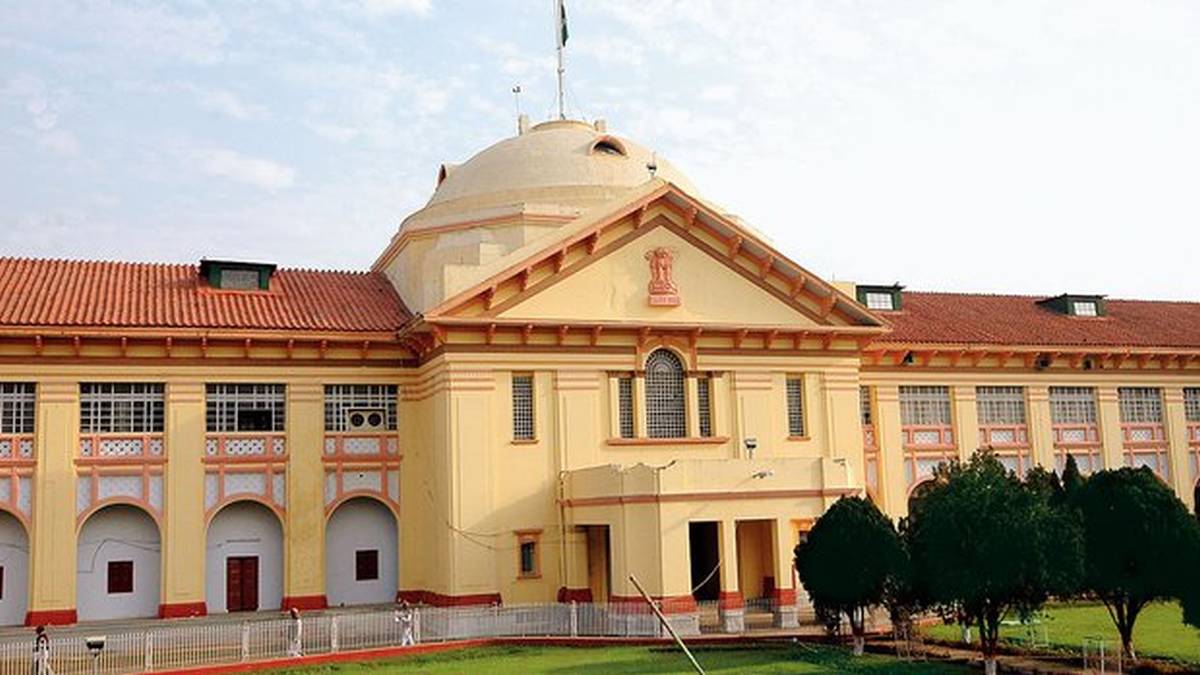
The Patna High Court has overturned an order denying compensation to the father of a 20-year-old passenger who died after falling from a moving train nearly two decades ago, directing that the family be awarded the higher sum calculated under old and amended rules.
Setting aside an earlier rejection by the Railway Claims Tribunal, the court held that official records and physical evidence clearly established the victim as a legitimate passenger whose death was an accidental, untoward incident during transit.
Dual Calculation Ordered for Payout
Presiding over an appeal against the tribunal’s March 2016 rejection, Justice Khatim Reza instructed the Patna bench of the Railway Claims Tribunal to assess the compensation through two methods: 4 lakh rupees alongside 7.5 percent interest under the former regulations, and 8 lakh rupees under the updated provisions. The tribunal must release whichever figure is higher at the earliest.
The order concluded a lengthy legal battle pursued by Nawal Kishor Yadav, who lost his unmarried son, Kundan Kumar, in November 2005.
Incident on the Vikramshila Express
According to court records, Kumar purchased a second-class ticket along with a supplementary super-fast charge on November 9, 2005, to travel from Dharhara to Kahalgaon aboard the Vikramshila Express. The compartment was heavily crowded, and Kumar was thrown from the running train following a sudden jerk, suffering fatal injuries near Dasarathpur Railway Station.
The station master notified the Jamalpur Railway Police, who carried out inquest proceedings and filed an unnatural death case on the same day. An autopsy conducted on November 10, 2005, determined that Kumar died from shock and internal bleeding resulting from impact with a hard, blunt surface, with police investigators concluding that he had accidentally tumbled from the train. The travel ticket was later recovered directly from his body.
Tribunal Overlooked Corroborating Records
Yadav subsequently petitioned the Railway Claims Tribunal seeking 4 lakh rupees in relief. However, in March 2016, the tribunal dismissed the claim, reasoning that Yadav was not an eyewitness, that no other eyewitness had testified, and that discrepancies existed in police papers. It also dismissed key inquest and first information documents because the text appeared faint and difficult to read.
In his appeal before the high court, Yadav maintained that minor discrepancies in dates across police paperwork were unintentional administrative oversights and that the broader record consistently pointed to November 9, 2005. Although the railway administration opposed the plea by citing missing eyewitnesses and legibility issues, the high court rejected the tribunal’s reasoning.
High Court Reaffirms Passenger Status
Justice Reza observed that faint or poorly legible documents cannot be discarded out of hand when their substance is supported by surrounding evidence, such as the postmortem findings, station records, and the journey ticket found on the victim.
The court also pointed out that the railway authorities had produced neither oral testimony nor documentary records to disprove the father’s claim. Notably, the administration had failed to present an incident report from the Divisional Railway Manager, a standard document in such inquiries.
Invoking legal precedent established by the Supreme Court that beneficial social legislation warrants a generous interpretation, the high court affirmed that the youth was a bona fide traveller who lost his life in an untoward accident, entitling his surviving parents to statutory redress.




