

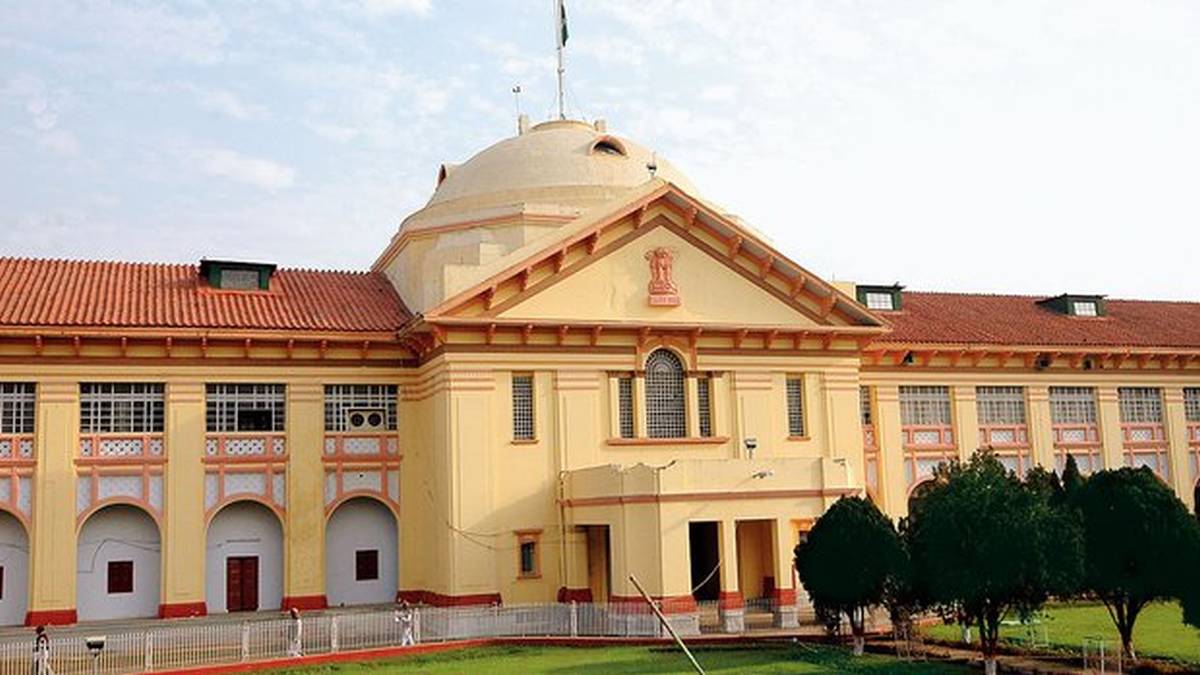
The Patna High Court has ordered the State Bank of India to reinstate a deputy manager with more than 30 years of service, ruling that the bank acted unfairly when it treated his illness-related absence as a voluntary resignation.
Delivering the ruling on September 3, Justice Harish Kumar observed that an employee cannot be treated as a slave, noting that although prolonged and unexplained absences can amount to abandonment depending on service rules, employers must properly evaluate genuine medical grounds and provide staff with an opportunity to explain their leave.
The court quashed SBI’s December 2019 communication declaring the officer to have voluntarily vacated his post, as well as an internal appellate order from June 2020 that upheld the move. The bank was instructed to restore the official to service with continuity of employment and associated service benefits, though without back pay or allowances for the days he did not perform work.
Timeline Of Medical Absence And Discharge
The officer, Pankaj Kumar Singh, began his career at SBI in November 1989 as a clerk-cum-cashier at the Gandhi Maidan branch in Patna. Over three decades of service, he rose through the ranks to assistant manager in 2006 and deputy manager in 2011 before taking a transfer to the Muzaffarpur Zone in June 2019.
Shortly after his transfer, Singh was diagnosed with acute jaundice and advised to observe 45 days of bed rest. He submitted an application through the bank’s HRMS portal, which he stated had approved his leave from July 1 through July 31, 2019.
During his recuperation, Singh suffered complications involving severe leg pain and entered a private clinic on October 17, 2019. Physicians prescribed continued bed rest through mid-December. After securing medical clearance on December 13, he reported to his office for duty on December 16, 2019.
Upon his return, the bank notified him that the leave previously granted had been declined. SBI classified his non-attendance starting June 29, 2019, as unauthorised absence. In a notice dated December 13, 2019, the management informed him that he was deemed to have voluntarily vacated his post, treating the separation as a voluntary resignation effective December 7. Following the rejection of his departmental appeal in mid-2020, Singh turned to the high court.
Arguments Before The High Court
Appearing for the employee, Senior Advocate P K Shahi submitted that his client had maintained an unblemished record throughout three decades at the institution, working across multiple locations and positions without facing performance or disciplinary complaints.
SBI counsel, Senior Advocate Rajendra Narain, countered that the officer had remained away from work for more than 90 consecutive days despite the refusal of his leave application. Narain contended that Singh failed to resume work despite multiple notices, arguing that the prolonged absence amounted to insubordination and neglect of official duties, leaving the bank no alternative under its regulations.
Court Finds Lack Of Due Process
The bench rejected the lender’s justification, concluding that the medical paperwork submitted by Singh was authentic and had not been shown to be falsified or questionable. The court remarked that because the medical circumstances were legitimate, the bank’s basis for classifying the absence as unauthorised had collapsed.
The judgment also observed that Singh retained more than 270 days of earned leave alongside a significant balance of sick leave, resources the institution ought to have considered before executing a separation from service.
Justice Kumar noted that the bank had neither disclosed why it revoked or denied the leave nor granted Singh a meaningful hearing to state his case before imposing what the court termed a drastic termination.


