

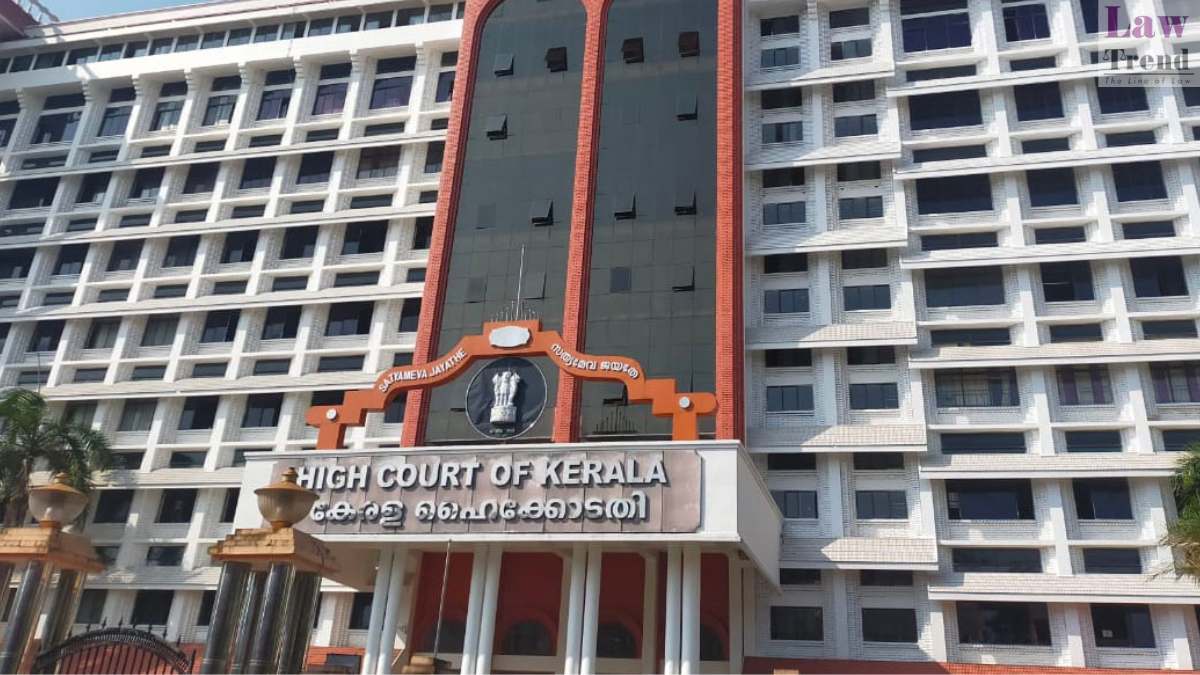
The Kerala High Court has overturned the life conviction of a man accused of killing his wife in 2013, ruling that investigators failed to conclusively prove that the decomposed corpse recovered by police was indeed that of the victim.
A division bench comprising Justice Raja Vijayaraghavan V and Justice K V Jayakumar set aside the guilty verdict against the appellant, Baldas, who had been sentenced to life imprisonment by the Additional Sessions Judge-I in Manjeri. The High Court ordered that Baldas be set at liberty immediately, provided his continued detention is not required in any other matter.
Critical Investigative Lapses
In its ruling, the court highlighted significant procedural failures that undermined the prosecution’s case. Despite finding the corpse in an advanced state of decomposition, law enforcement conducted no DNA testing to confirm the identity of the deceased.
Furthermore, investigators failed to summon key individuals—including the victim’s father and a private financier acquainted with the couple—to identify the body. The bench also noted that the prosecution failed to produce credible evidence showing that gold ornaments belonging to the victim were recovered from the accused.
Failure To Establish Chain Of Evidence
Addressing the legal standards for cases reliant on circumstantial evidence, the bench noted that while medical findings indicated a homicidal death, the prosecution was still required to independently prove that the deceased individual was Lakshmi, the wife of the accused.
The court held that in cases resting entirely on circumstantial grounds, such major lapses prove fatal to the prosecution’s case. Because the evidence failed to establish beyond a reasonable doubt that the act was committed exclusively by the accused, the High Court concluded that the legal standard for a conviction had not been met.
Kerala High Court Acquits Man In 2013 Wife Murder Case Over Unidentified Body
The Kerala High Court has overturned the life conviction of a man accused of killing his wife in 2013, ruling that investigators failed to conclusively prove that the decomposed corpse recovered by police was indeed that of the victim.
A division bench comprising Justice Raja Vijayaraghavan V and Justice K V Jayakumar set aside the guilty verdict against the appellant, Baldas, who had been sentenced to life imprisonment by the Additional Sessions Judge-I in Manjeri. The High Court ordered that Baldas be set at liberty immediately, provided his continued detention is not required in any other matter.
Critical Investigative Lapses
In its ruling, the court highlighted significant procedural failures that undermined the prosecution’s case. Despite finding the corpse in an advanced state of decomposition, law enforcement conducted no DNA testing to confirm the identity of the deceased.
Furthermore, investigators failed to summon key individuals—including the victim’s father and a private financier acquainted with the couple—to identify the body. The bench also noted that the prosecution failed to produce credible evidence showing that gold ornaments belonging to the victim were recovered from the accused.
Failure To Establish Chain Of Evidence
Addressing the legal standards for cases reliant on circumstantial evidence, the bench noted that while medical findings indicated a homicidal death, the prosecution was still required to independently prove that the deceased individual was Lakshmi, the wife of the accused.
The court held that in cases resting entirely on circumstantial grounds, such major lapses prove fatal to the prosecution’s case. Because the evidence failed to establish beyond a reasonable doubt that the act was committed exclusively by the accused, the High Court concluded that the legal standard for a conviction had not been met.




