

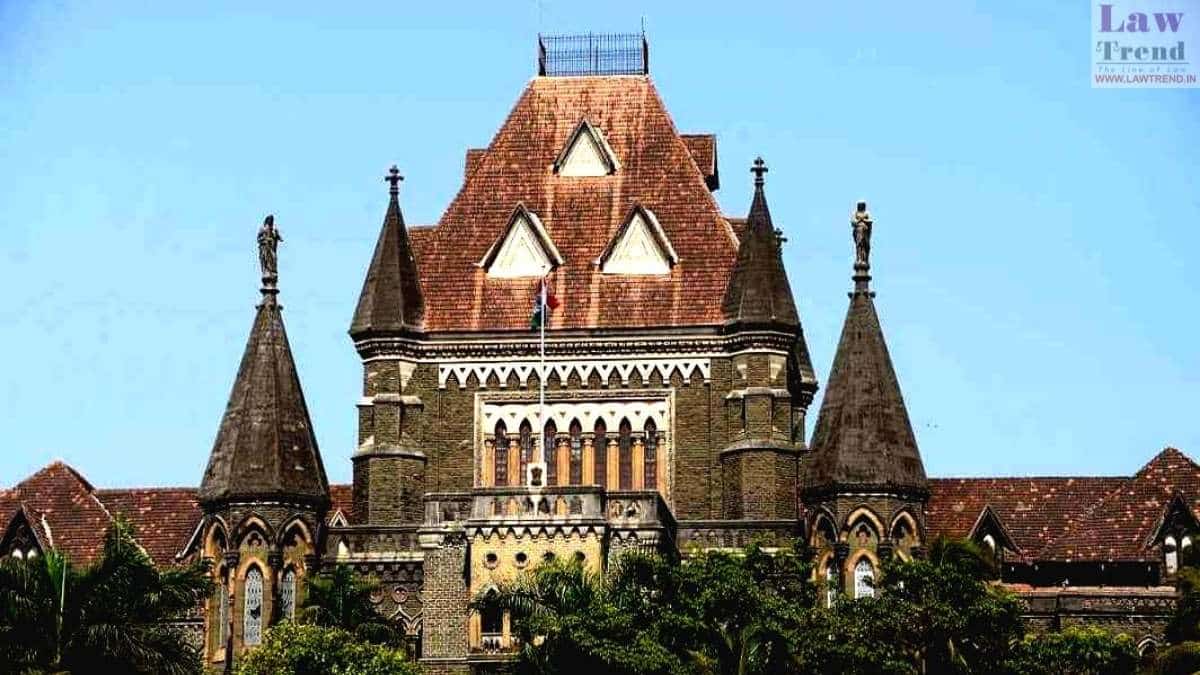
The Bombay High Court has ruled that a criminal acquittal does not automatically entitle a dismissed worker to reinstatement, upholding the Reserve Bank of India’s decision to deny re-employment to a former clearing cell operator acquitted in a cheque fraud case.
A division bench comprising Justice R.I. Chagla and Justice Farhan P. Dubash dismissed the former employee’s petition, clarifying that disciplinary actions founded upon evidence from an independent departmental inquiry remain legally valid regardless of trial outcomes. The court held that under the Reserve Bank of India (Staff) Regulations, 1948, an order of acquittal confers no automatic right to return to service when termination rests on separate internal findings.
Departmental Inquiry and Dismissal History
The petitioner began working at the central bank’s National Clearing Cell as a part-time machine operator on April 23, 1987, before obtaining a full-time position on December 21, 1992. He was later accused of conspiring with fellow workers to alter cheques routed through the clearing system in an effort to defraud multiple banks.
In response, the RBI filed a formal complaint with the Central Bureau of Investigation, leading to a registered FIR, while simultaneously launching internal disciplinary proceedings. The staffer was placed under suspension on July 30, 1994, and was ultimately dismissed from service on August 30, 2001, following the completion of the internal probe under applicable regulations.
Internal Findings and Court Observations
The High Court noted that the RBI conducted a comprehensive departmental inquiry beginning in 1994, during which written charges were served, witnesses were examined and cross-examined, and the worker actively participated over several years.
Throughout the internal proceedings, the employee repeatedly admitted to the alleged misconduct and requested leniency. The court observed that these admissions, along with the evidence presented during the inquiry, formed the basis for the disciplinary authority’s 2001 dismissal order rather than the criminal prosecution or police investigation.
Legal Challenge and Defense Arguments
In March 2015, a special judge cleared the former worker of all criminal charges. Following the acquittal, the man submitted an application to the RBI seeking reinstatement along with back pay and consequential service benefits. The central bank rejected his request through a communication dated July 20, 2015, prompting his challenge in the High Court.
Representing the petitioner, advocate Sachin Chandan contended that the RBI’s rejection was an unreasoned order that breached principles of natural justice, arguing that his client should have been granted a formal hearing before the decision was made.
Representing the RBI, Senior Advocate S.U. Kamdar argued that the dismissal stemmed entirely from the 2001 departmental inquiry and that the subsequent criminal acquittal created no legal right to reinstatement. Agreeing with the RBI’s submissions, the High Court concluded that the petition lacked merit and dismissed the case.




