

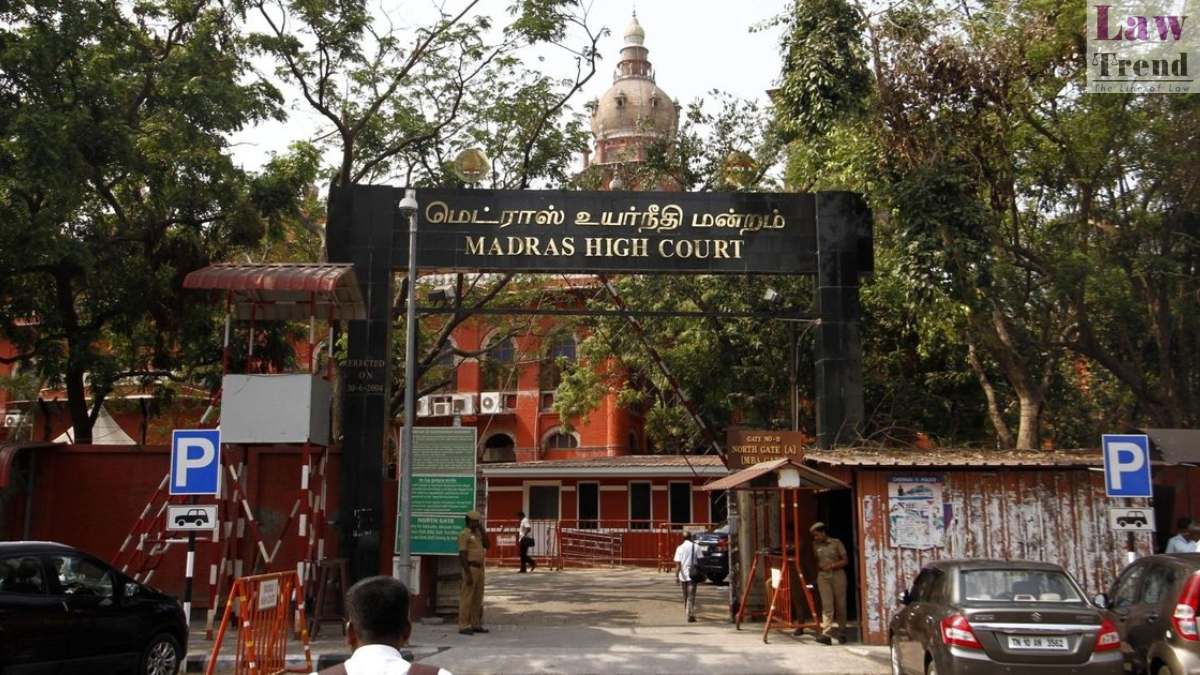
The Madras High Court has ordered the Cyber Crime Police in Madurai to expeditiously investigate a complaint concerning allegedly offensive and defamatory social media posts targeting Naam Tamilar Katchi chief Senthamilan Seeman, warning that delays in handling digital offenses can lead to the destruction of vital evidence.
In an order issued on July 28, Justice L Victoria Gowri emphasized that while constitutional guarantees of free speech are vital, they remain subject to reasonable restrictions under Article 19(2) of the Indian Constitution and do not grant immunity to publish content that constitutes a criminal offense. The court stressed that investigating authorities must maintain strict neutrality and act with equal promptness on complaints involving unlawful online content, regardless of the political standing of the individuals involved.
Background of the Dispute
The ruling followed a writ petition filed by G. Thirumurugan, a practicing advocate and state coordinator for the Tamil nationalist party Naam Tamilar Katchi (NTK). Thirumurugan approached the court after filing a complaint on July 2 with top police officials and the Cyber Crime Police Station in Madurai against two social media content creators.
According to the petition, the content creators circulated YouTube videos and online posts using morphed imagery, sarcastic caricatures, and derogatory expressions in Tamil to ridicule Seeman, a former actor and NTK leader. Thirumurugan argued that the publications exceeded fair political commentary and amounted to slanderous attacks designed to insult and defame the party leader.
Disputed Timeline and Police Response
Responding to the petition, the state government advocate informed the bench that the police had formally registered the complaint on July 25. The state submitted that officials had issued summonses to the petitioner on July 16, July 20, and July 24 requesting his appearance for inquiry, but claimed the probe was delayed due to his lack of cooperation. Legal counsel for the petitioner rejected the assertion of non-cooperation.
Evaluating the timeline, the court observed that despite police assertions regarding a Community Service Register entry, official records demonstrated a lack of the prompt action required in digital offense investigations.
Directives for Evidence Preservation
Highlighting the risks inherent to cyber investigations, the court noted that delays often allow electronic records to be altered or deleted, complicating the tracing of digital footprints. The judge clarified that the primary role of law enforcement at this stage is to preserve electronic data and identify digital sources rather than evaluate the underlying merits of the allegations.
Justice Gowri directed the inspector of police at the Madurai Cyber Crime Police Station to identify all social media accounts, YouTube channels, web addresses, and user identifiers connected to the disputed posts. The court mandated the immediate preservation of electronic evidence under the Information Technology Act, 2000, and other applicable laws.
The police were instructed to take appropriate legal action if the investigation reveals a cognizable offense and, where legally permissible, move through competent authorities or intermediaries to block or remove the content.
The court directed that the investigation proceed independently on its merits and scheduled the matter for compliance reporting on July 29.




