

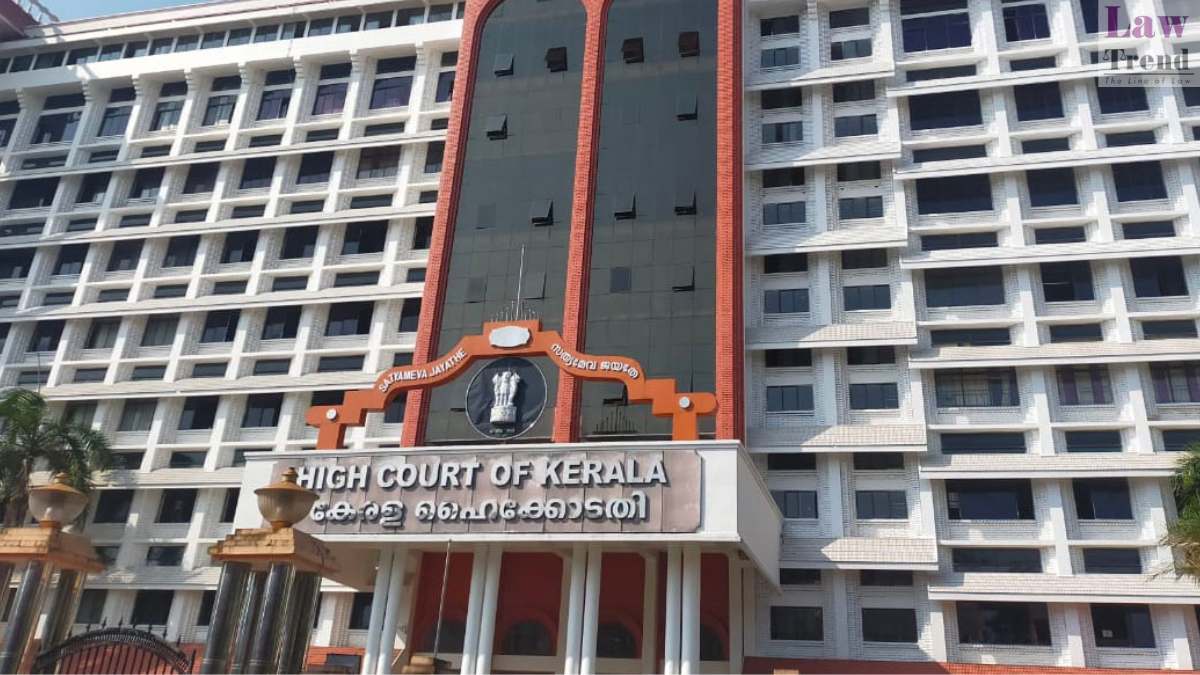
The Kerala High Court has affirmed a tribunal order directing authorities to grant the disability element of pension to a retired military officer suffering from diabetes and hypertension, ruling that lifestyle disorders cannot be routinely cited to deny disability benefits to armed forces personnel.
A division bench of Justice K. Natarajan and Justice Johnson John delivered the ruling while dismissing a challenge against the Kochi Armed Forces Tribunal. In its July 16 order, the bench noted that because the Constitution allows the government to restrict certain rights of service members to maintain discipline and operational readiness, the state cannot subsequently reject pension claims by attributing health conditions strictly to personal lifestyle choices. The court stated that protecting soldier morale remains a core duty of society and the government, as military service involves an unconditional commitment of one’s life to the nation.
Tribunal Direction Validated
The High Court upheld a January 12, 2024 decision by the Kochi Armed Forces Tribunal, which had instructed military authorities to convene a medical board to assess the officer’s composite degree of disability—the combined impairment score for multiple health conditions—for his diabetes and hypertension. The tribunal had ordered the issuance of a revised pension payment order reflecting the entitlement.
Presumption Of Health At Enrolment
In its analysis of regulations governing military medical services, the High Court observed that diseases causing an individual’s discharge are deemed to have arisen during service if no medical note was recorded when the person entered the armed forces. The court highlighted that no health issues were documented at the time of the officer’s enrolment. In the absence of evidence or medical records demonstrating that the ailments existed prior to service and could not have been detected during initial physical examination, the court held that the officer was entitled to the disability pension element.
Legal Contentions
Appearing for the government authorities, Senior Panel Advocate M. S. Kiran argued that the tribunal was wrong to override official medical board evaluations, maintaining that the officer’s conditions were neither attributable to nor aggravated by military duty.
Representing the officer, Advocate Ratheesh B argued that an individual entering the armed forces without recorded medical defects must be presumed to be in sound physical and mental condition. The defense submitted that any subsequent health deterioration leading to medical discharge must be presumed to result from military service, relieving the service member of the burden to prove causation.
Scope Of High Court Jurisdiction
Addressing its constitutional role, the High Court emphasized that its extraordinary jurisdiction under Article 226 is intended solely to prevent manifest injustice. The bench clarified that this authority cannot be used to intervene in every administrative error or disagreement with tribunal findings.


