

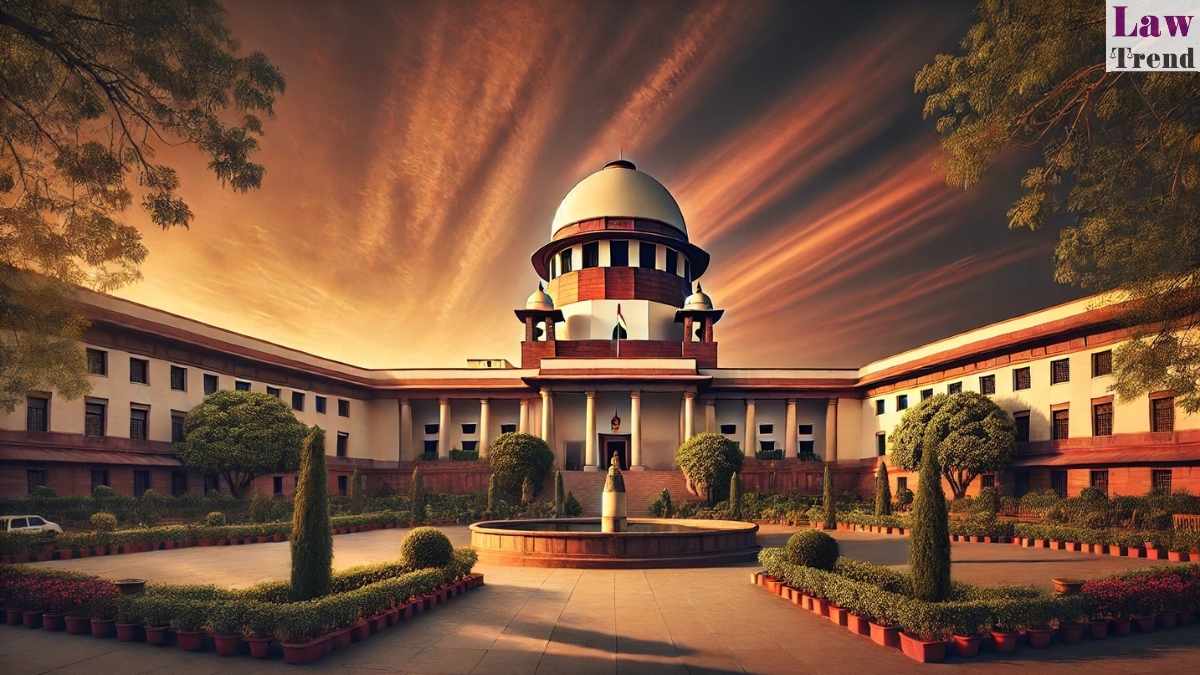
The Supreme Court of India announced on Friday that it will continuously monitor the government’s overhaul of the National Eligibility cum Entrance Test (NEET) throughout the year, warning that simply transitioning to digital examinations will not eliminate paper leak risks.
Hearing petitions seeking the reconstitution of the National Testing Agency following alleged question paper compromises, a bench comprising Justice P S Narasimha and Justice Alok Aradhe emphasized the need for permanent, institutional reforms over temporary measures. The court instructed the central government to submit a comprehensive affidavit detailing its roadmap for securing the medical entrance examination, including cybersecurity protocols, structural changes to the testing agency, and paper handling logistics.
Focus On Long-Term Reforms And Cybersecurity
During the proceedings, Justice Narasimha noted that relying on temporary solutions, such as deploying the Indian Air Force to transport examination materials, fails to address systemic vulnerabilities. The bench raised concerns regarding the proposed shift to computer-based testing, cautioning that electronic transmission of question papers introduces potential cybersecurity risks that could compromise the examination system if data is not properly encrypted and protected.
The court directed the government’s upcoming affidavit to specify exact actions taken regarding the restructuring of the National Testing Agency’s governing board, particularly concerning board nominations, test transparency, and stakeholder representation. Furthermore, the bench requested progress reports on the integration of domain experts from institutions such as the Indian Institutes of Technology, the University Grants Commission, and Kendriya Vidyalaya Sanghatan.
Government Commitments And Background Context
Solicitor General Tushar Mehta requested additional time to submit the detailed affidavit, assuring the court that executive leadership is supervising the overhaul at the highest level and implementing measures beyond the recommendations of the high-powered reform panel. Formed in 2024 under former ISRO Chairman K. Radhakrishnan to make NEET tamper-proof, the committee’s recommendations have been fully accepted by the government, Mehta stated.
Addressing digital security concerns, Mehta reported that no cybersecurity breaches have occurred to date, while agreeing that strict precautions are necessary during any shift toward digitized testing. He affirmed that the administration is taking a non-adversarial approach to address student concerns.
The court’s intervention comes amid ongoing street protests in Delhi organized by the Cockroach Janta Party regarding paper leak allegations. A day prior to the Supreme Court hearing, Prime Minister Narendra Modi made his first public remarks on the issue, announcing the establishment of fast-track courts to expedite legal proceedings in paper leak cases.


