

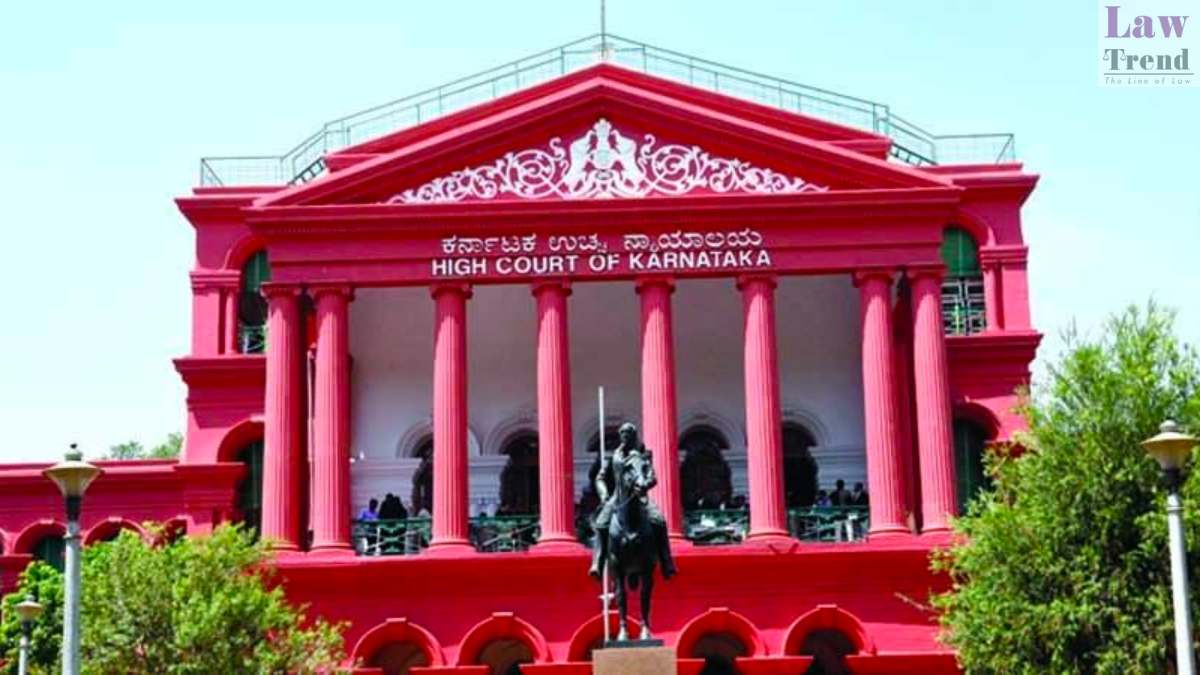
The Karnataka High Court on Friday issued a notice to State Health Minister Dinesh Gundu Rao regarding a petition challenging a trial court’s decision to dismiss a criminal defamation complaint against him over remarks about the Rashtriya Swayamsevak Sangh.
Justice M Nagaprasanna, who presided over the matter, directed the notice to Rao and scheduled the next hearing for July 31. The petition was filed by complainant Tejas A, a member of the RSS, who is contesting a June 27 trial court order that exempted Rao from the defamation suit.
Details Of The Legal Challenge
While the trial court dropped the charges against Rao, it took cognisance of the complaint against Karnataka Home Minister Priyank Kharge and Congress leader Mohammed Haris Nalapad. The court has summoned both Kharge and Nalapad to appear on July 21.
Representing the petitioner, advocate Venkatesh S Dalwai argued that the trial court erred by refusing to take cognisance of the complaint against Rao, given that the same allegations were leveled against him as the other accused.
According to the original complaint filed by Tejas, Kharge had issued public statements and social media posts attributing unlawful, antisocial, and objectionable activities to the RSS to paint the organization in a negative light. Tejas further alleged that Rao had used social media to question the activities, objectives, and functioning of the RSS in a defamatory manner.
Trial Court Rationale For Dropping Charges
Before the trial court, Rao defended his social media posts, stating they were not directed at the complainant or any specific, identifiable individual. He argued that his statements were made to condemn death threats issued against Kharge and his family, representing an exercise of his constitutional right to free speech aimed at promoting public order and communal harmony.
The trial court agreed with Rao’s defense, finding that his remarks were a reaction to a specific event rather than a deliberate attempt to lower the reputation of the RSS or its members.
In its ruling, the trial court noted that because there were no specific allegations, imputations, or accusations directed against the complainant personally or against a defined, identifiable group, the basic legal requirements for criminal defamation were not satisfied. Consequently, the court concluded that continuing proceedings against Rao would constitute an abuse of the judicial process.




