

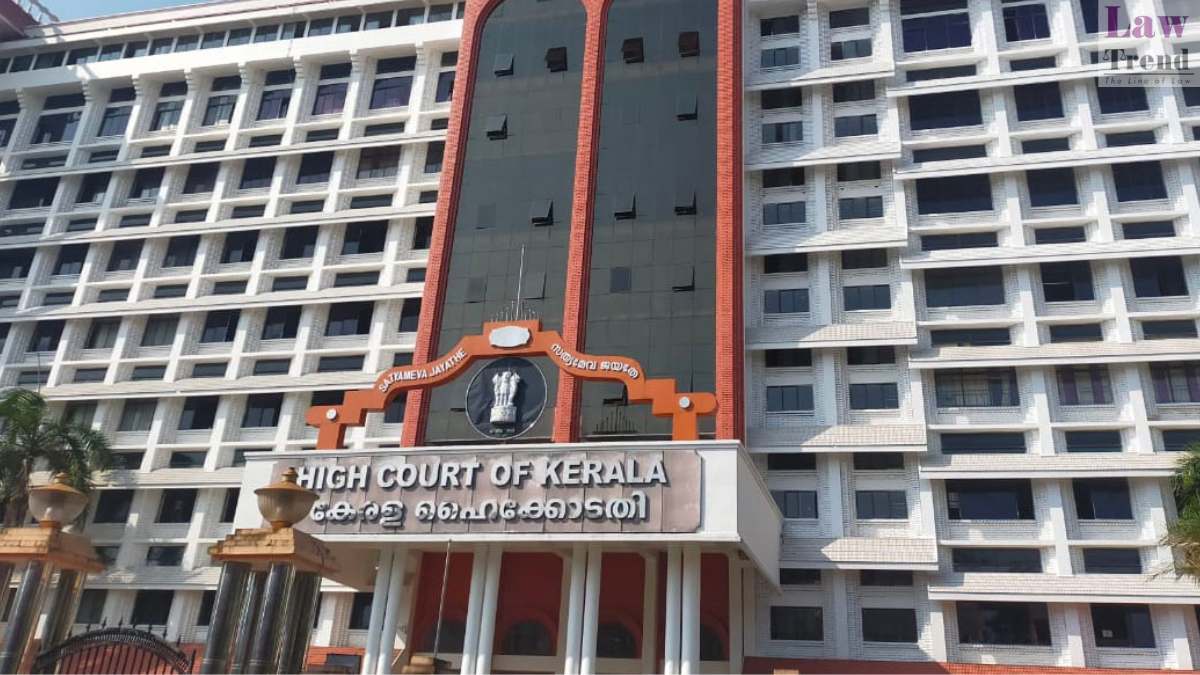
The Kerala High Court has approved a draft state circular regulating the appointment of public prosecutors, directing that the opinion of district judges must carry overriding weight in the selection process.
A division bench of Chief Justice Soumen Sen and Justice Syam Kumar V M issued the ruling on July 8 while addressing two public interest litigations that challenged the appointment procedures outlined in the draft circular.
Modification To Selection Guidelines
The court ordered a key amendment to Clause (3) of the draft circular, replacing the phrase “due regard” with “due primacy” to describe the authority of the district judge’s recommendation during the preparation of the candidate panel.
This change follows submissions by amicus curiae and Senior Advocate P Deepak, who argued that the draft circular did not clearly prioritize the district judge’s evaluation. Similarly, advocates S K Adhithyan and Shahina Noushad, representing the petitioners, contended that the proposed selection system failed to give proper weight to the judge’s feedback when compiling the list of candidates.
Role Of District Police Chief
The petitions also contested the involvement of the district police chief in the selection process, as outlined in Clause (2) of the draft. The court dismissed this objection, stating that involving the police chief is legally sound and helps stakeholders make informed decisions by verifying the background and antecedents of candidates.
However, the bench clarified that the police chief’s input is purely advisory and is not binding on the final decision. The court subsequently disposed of the writ petitions.
Concerns Over Political Appointments
The scrutiny over the qualifications of public prosecutors follows sharp criticism from the Madras High Court regarding political patronage in state legal appointments.
On April 1, Justice B Pugalendhi expressed strong concern over state governments appointing law officers based on political allegiance rather than professional competence. The court’s remarks came during a hearing in which it rejected a request to suspend the sentence of a man convicted of attempting to rape a woman from an oppressed community.
The Madras High Court highlighted a critical failure in the case, where a state prosecutor neglected to submit the victim’s physical injuries as evidence during the trial. Despite formal recommendations to remove the prosecutor for negligence, the state government had failed to act.
Justice Pugalendhi noted that some appointments extend to individuals whose primary qualification appears to be performing minor campaign duties, such as pasting election posters. He warned that prioritizing political proximity over merit severely compromises the legal representation of vulnerable victims in court.




