

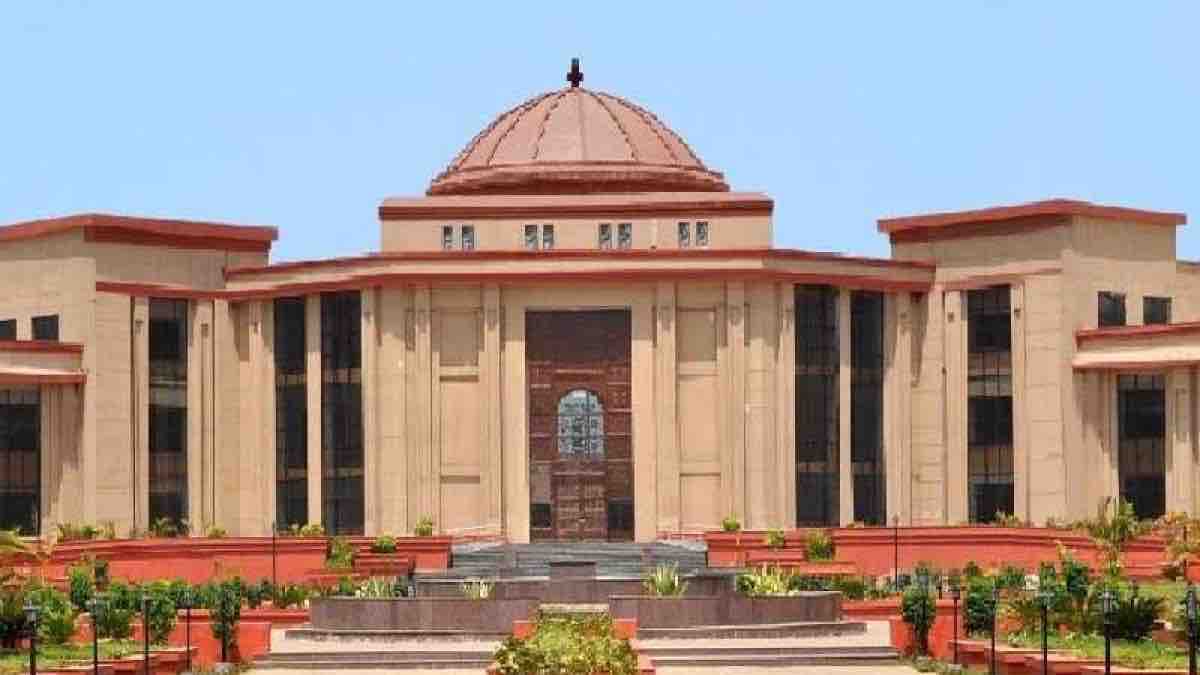
The Chhattisgarh High Court has overturned an administrative order banishing a Durg-based medical practitioner from his home district and six neighboring areas for one year. The court ruled that the mere existence of pending criminal cases is not a valid ground for such a drastic restriction on a citizen’s fundamental rights unless authorities can prove a genuine public threat.
In a judgment delivered on June 25, Chief Justice Naresh Kumar Chandravanshi set aside the January 8 externment order issued by the Durg District Magistrate against Dr. Dushyant Khosla. The court also invalidated a May 7 order by the state Home Department that had dismissed the doctor’s appeal against the banishment.
Strict Legal Safeguards Required
Externment, widely known as jilabadar, is one of the most severe preventive measures available to local administrations. The court noted that because such orders directly strip citizens of their constitutional rights to move freely, reside, and conduct their professions, strict adherence to legal and procedural safeguards is mandatory.
The bench emphasized that the simple registration or pendency of criminal cases cannot justify banishing an individual. To warrant externment, the administration must present concrete evidence showing that the person’s actions are actively causing or intended to cause danger, harm, or alarm to the community.
Serious Procedural Violations Identified
The High Court found that the local administration’s proceedings suffered from critical procedural lapses that violated the principles of natural justice. Specifically, the official notice dated December 26, 2025, was delivered to Dr. Khosla on January 1, which was the very day he was required to appear.
By the time the doctor received the notice, local authorities had already recorded witness statements in his absence. The court pointed out that Dr. Khosla was never given a fair opportunity to inspect the evidence against him, cross-examine those witnesses, or present his own defense before the district magistrate finalized the externment order.
Insufficiency Of Police Allegations
The administration’s case originated from a September 24, 2025, report by the Durg Superintendent of Police. The police report characterized Dr. Khosla, who runs the Sai Clinic at Ahiwara, as a habitual offender who intimidated the public and government staff, filed false complaints, and created local fear.
The report pointed to five criminal cases registered against the doctor between 2010 and 2025, including three under the Indian Penal Code and two under the Bharatiya Nyaya Sanhita, one of which involved allegedly offensive remarks against Jain saints.
However, the High Court noted that three of these five cases had already been resolved, leaving only two pending, and Dr. Khosla had not been convicted in any of them. The court ruled that the police allegations were largely general and failed to show that local witnesses were too terrified to testify against the doctor in public.
State Defense Rejected
State representatives argued that the externment order was justified, maintaining that Dr. Khosla consistently engaged in activities that threatened local peace. The state contended that externment is a preventive, not punitive, measure that relies on the district magistrate’s subjective satisfaction rather than strict proof of guilt. The state also claimed the petitioner had been given several opportunities to defend himself but failed to do so.
The High Court rejected these arguments, concluding that the district magistrate’s order lacked sufficient supporting evidence and that the entire process was compromised by the failure to uphold due process. With the quashing of both the externment and appellate orders, Dr. Khosla’s rights to live and practice in Durg have been fully restored. The court did not order any costs.




