

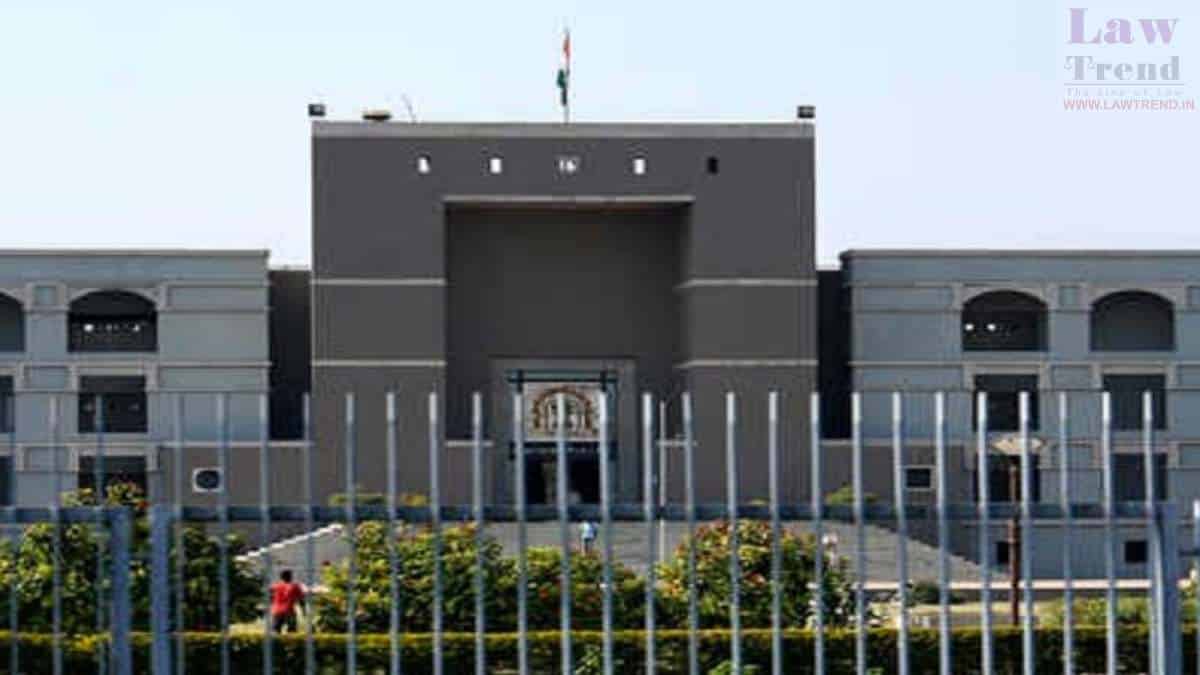
The Gujarat High Court on Tuesday confirmed the death sentences of 38 individuals and upheld life imprisonment for 11 others convicted in the 2008 serial bomb blasts that devastated Ahmedabad. The twin-judge bench rejected the appeals filed by the convicts, affirming a landmark 2022 ruling by a special trial court.
Justices AY Kogje and SJ Dave, who presided over the division bench, also directed the Gujarat state government to distribute financial compensation to the victims and their families. Under the court order, the state must pay Rs 10 lakh to the families of those who died, Rs 5 lakh to individuals who suffered grievous injuries, and Rs 1 lakh to those with simple injuries. The government has been given until March 31, 2027, to complete these payments.
Tragedy And Terror In Gujarat
The coordinated bombings occurred on July 26, 2008, across Ahmedabad, killing 56 people and wounding 246 others. The attack stood out as the country’s first terror strike to deliberately target hospitals. Two days after the explosions, unexploded bombs were discovered in the city of Surat. Investigators stated that the perpetrators sent emails claiming the attacks were carried out in retaliation for the 2002 post-Godhra riots in Gujarat.
Inside The Longest Trial
To prosecute the conspirators, authorities merged 35 separate cases—comprising 20 police complaints filed in Ahmedabad and 15 filed in Surat, where the planted bombs failed to detonate. The resulting legal proceedings became one of the most extensive trials in Indian history. Over several years, nine different judges presided over the trial, during which prosecutors presented testimony from 1,163 witnesses. To ensure safety, the court hid the identities of 26 key prosecution witnesses.
Profiles Of The Convicted
A total of 49 individuals were convicted under multiple stringent laws, including the Unlawful Activities Prevention Act, the Indian Penal Code, the Explosive Substances Act, and the Damage to Public Property Act. The charges proved against them included murder, conspiracy, sedition, waging war against the nation, and participating in terrorist operations.
Among those convicted is Safdar Nagori, a former leader of the banned Students Islamic Movement of India, along with associates from 11 states, including Gujarat, Madhya Pradesh, Uttar Pradesh, and Kerala. Police investigators asserted that the conspirators operated under a newly formed group called the Indian Mujahideen.
History Of The Verdicts
The High Court’s decision follows its review of the state’s request to confirm the death penalties, alongside appeals challenging the 7,015-page judgment issued by a special trial court on February 8, 2022.
Originally, the city crime branch had accused more than 100 people of participating in the conspiracy, with 78 ultimately facing trial. In the February 2022 ruling, the trial court convicted 49 defendants and acquitted 28. Those acquitted included Mubin Shaikh and Mansur Pirbhoy, who had faced allegations of planning the conspiracy and transmitting the threatening emails that claimed responsibility for the blasts. Additionally, the trial court granted a pardon to one state witness who turned approver, while convicting four other approvers who had retracted their statements during the trial.




