

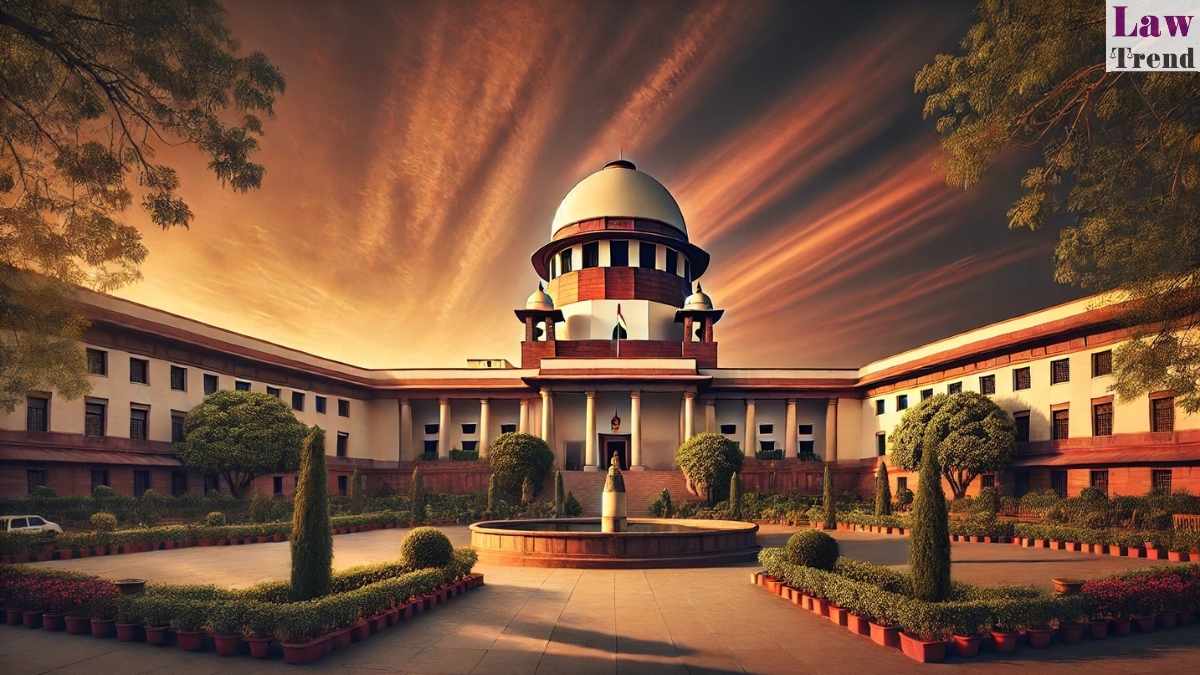
The Supreme Court on Friday halted the ongoing audit of Delhi’s three private power distribution companies by the Comptroller and Auditor General of India. A bench comprising justices KV Viswanathan and Shree Chandrashekhar ordered that the status quo be maintained, effectively pausing both the government-mandated CAG review and an earlier directive from a lower tribunal that sought to appoint an independent chartered accountant.
The interim order follows an appeal filed by the Delhi Electricity Regulatory Commission against a ruling issued in April by the Appellate Tribunal for Electricity. The tribunal had previously determined that assigning the audit to the CAG fell outside the existing statutory framework, directing the regulator to instead select an independent firm to examine the financial records.
Legal Challenge To Audit Process
The central issue before the Supreme Court is whether the regulator possesses the legal authority to task the CAG with auditing the private distribution firms. During Friday’s proceedings, the court noted that the question of law regarding the legitimacy of the audit appointment requires a thorough examination.
The dispute concerns the financial scrutiny of BSES Rajdhani Power Ltd, BSES Yamuna Power Ltd, and Tata Power Delhi Distribution Ltd. These companies hold approximately 38,552 crore rupees in regulatory assets. These assets represent costs deferred over the past decade, as electricity tariffs have not kept pace with rising supply expenses. These funds are intended for eventual recovery from consumers through future tariff adjustments.
Arguments On Regulatory Assets
Solicitor General Tushar Mehta, representing the Delhi Electricity Regulatory Commission, argued that the audit is necessary to ensure consumers are not unfairly burdened by the recovery of these assets. He stated that the Lieutenant Governor had granted approval for the CAG audit after satisfying procedural requirements established by the tribunal.
Counsel for the distribution companies, including senior advocates AM Singhvi and Buddy Ranganathan, argued that the audit and the recovery of regulatory assets are separate matters. They pointed to a Supreme Court judgment from August 2025, which established a framework for the liquidation of these assets running through 2031. They contended that the current litigation should be limited strictly to the legality of the CAG’s role.
Future Proceedings
The Supreme Court bench expressed interest in the relationship between current audit efforts and the August 2025 ruling regarding the liquidation of assets. Consequently, the court directed that the case be referred to the same bench that delivered the 2025 judgment, pending approval from the Chief Justice.
The matter is scheduled for further hearing on July 15. Until that date, all audit processes remain suspended. The Delhi government had recently pushed for a strict and intensive audit by the CAG after obtaining necessary approvals from the Cabinet and the Lieutenant Governor, following the tribunal’s initial rejection of the plan.




