

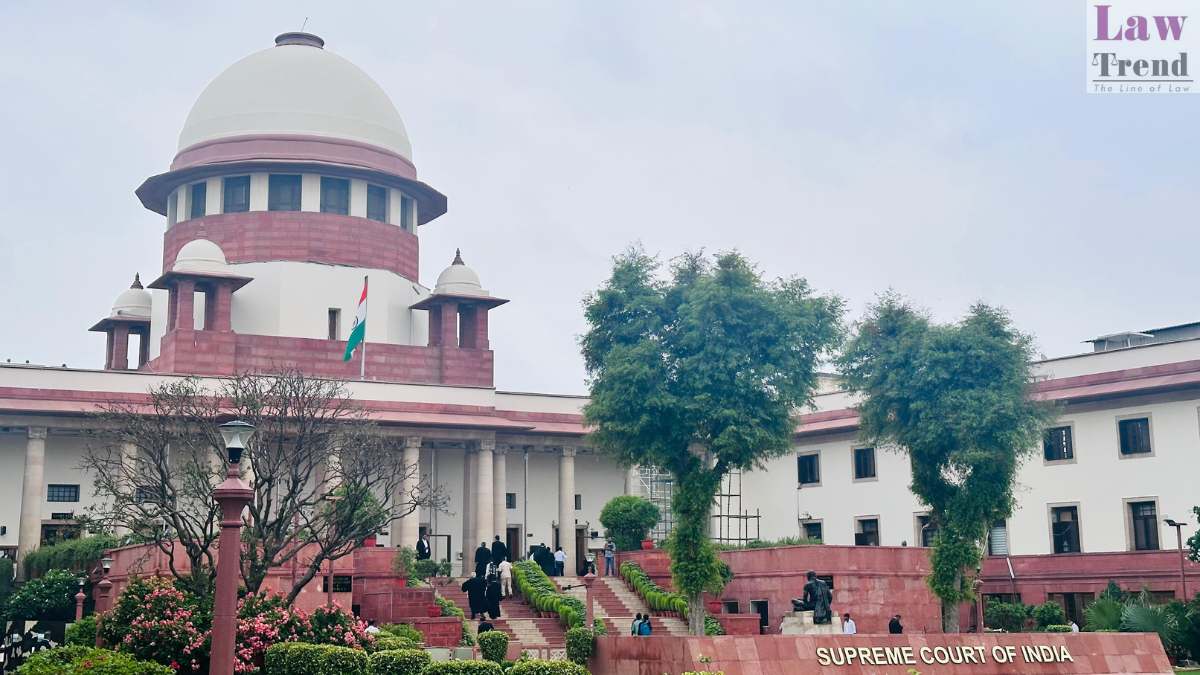
The Supreme Court of India on Tuesday directed a non-governmental organization (NGO) to submit a comprehensive document outlining alleged deficiencies in the newly notified clinical trial rules. The court is examining whether current regulations sufficiently protect human subjects from exploitation by multinational pharmaceutical companies.
A bench comprising Justice P.S. Narasimha and Justice Alok Aradhe was presiding over a Public Interest Litigation (PIL) filed by the NGO Swasthya Adhikar Manch. The petition, which dates back to 2012, alleges that large-scale clinical drug trials are being conducted indiscriminately across India, often using impoverished citizens as “guinea pigs” without adequate safety protocols or fair compensation.
The central issue before the court is the efficacy of the New Drugs and Clinical Trials (Amendment) Rules, which the Centre notified in 2024. While the government maintains that these rules streamline the approval process and align India with global safety standards, the petitioners argue that significant regulatory gaps remain.
Senior Advocate Sanjay Parikh, representing the NGO, clarified that while they are not challenging the rules in their entirety, there is a critical lack of proper procedure for the enrollment of subjects. Parikh informed the bench that approximately 8,000 deaths have occurred during clinical trials over the years, leaving many dependents without adequate compensation.
The Central Government contended that the PIL has effectively become infructuous following the framing of rules in 2019 and their subsequent notification in 2024. According to the Centre, these updates were specifically designed to:
- Streamline the approval process for new medicines and vaccines.
- Enhance patient-safety protocols.
- Ensure compliance with international regulatory benchmarks.
The government noted that these rules replaced the 2013 norms, which the court had previously characterized as “deficient” in protecting the rights of trial subjects.
The Supreme Court emphasized that clinical trials conducted within the country must primarily serve the health interests of the Indian people. The bench reiterated that such trials should not be permitted solely for the commercial benefit of multinational corporations, especially when carried out in developing nations where subjects may be more vulnerable.
The court has now asked the petitioners and other legal representatives to compile a “composite document” detailing the steps taken thus far and the specific shortcomings that still persist in the 2024 framework.
The matter is scheduled for further consideration on April 27.


