

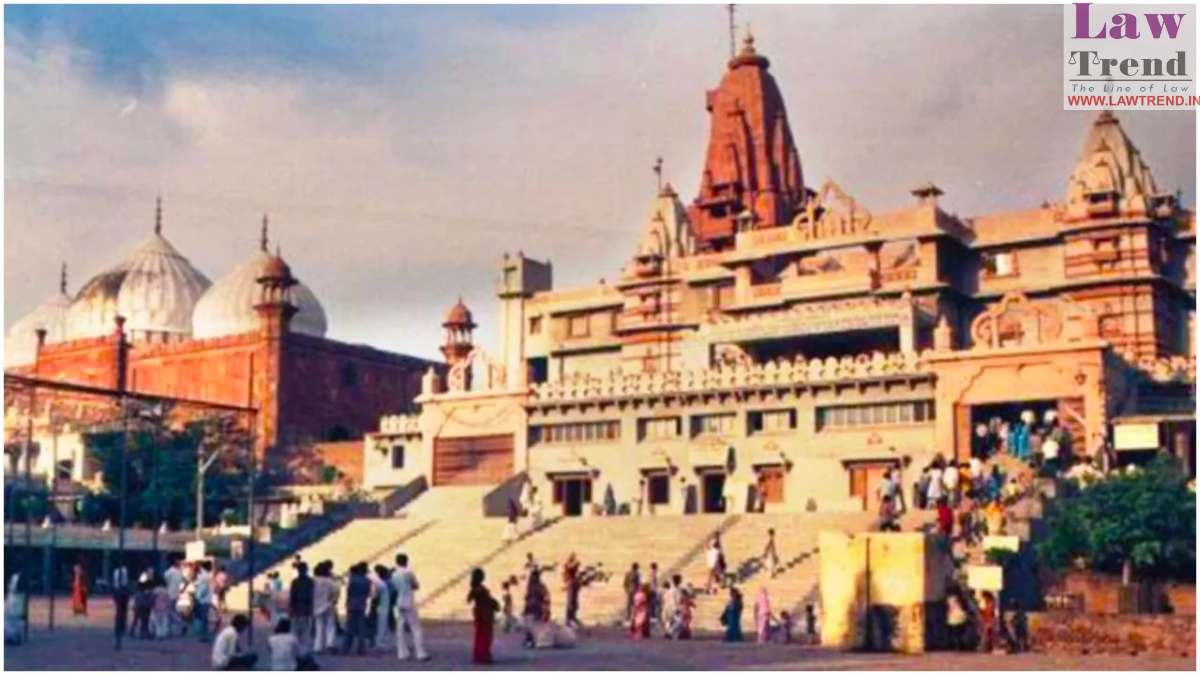
The Allahabad High Court on Friday, April 10, continued its proceedings in the high-profile land dispute involving the Krishna Janmabhoomi temple and the Shahi Idgah Mosque in Mathura. Justice Avnish Saxena, presiding over the matter, has scheduled May 15 as the next date for hearing following the consideration of a new amendment application.
The Friday hearing primarily focused on an amendment application moved by the Muslim side. This procedural move comes as both parties navigate a complex legal battle involving 18 consolidated suits. After hearing the initial submissions regarding the amendment, the court decided to adjourn the matter to mid-May to further examine the legal nuances of the application.
The long-standing controversy centers on the Shahi Idgah Mosque, constructed during the era of Mughal Emperor Aurangzeb. Hindu petitioners contend that the mosque was built after the demolition of a temple marking the birthplace of Lord Krishna.
The Hindu side has filed 18 separate lawsuits seeking:
- Physical possession of the disputed land.
- The removal of the Shahi Idgah Masjid structure.
- The “restoration” of the temple.
- A permanent injunction to prevent any further changes to the site.
A significant turning point in the case occurred on August 1, 2024, when the Allahabad High Court dismissed challenges raised by the Muslim side regarding the maintainability of these suits.
In that landmark order, the High Court clarified that the lawsuits filed by Hindu worshippers were not barred by several key pieces of legislation, including:
- The Limitation Act
- The Waqf Act
- The Places of Worship (Special Provisions) Act, 1991, which generally prohibits the conversion of religious structures as they existed on August 15, 1947.
By ruling that these acts do not prevent the adjudication of the current suits, the court paved the way for the ongoing detailed examination of the claims regarding the Mathura site’s history and ownership.




