

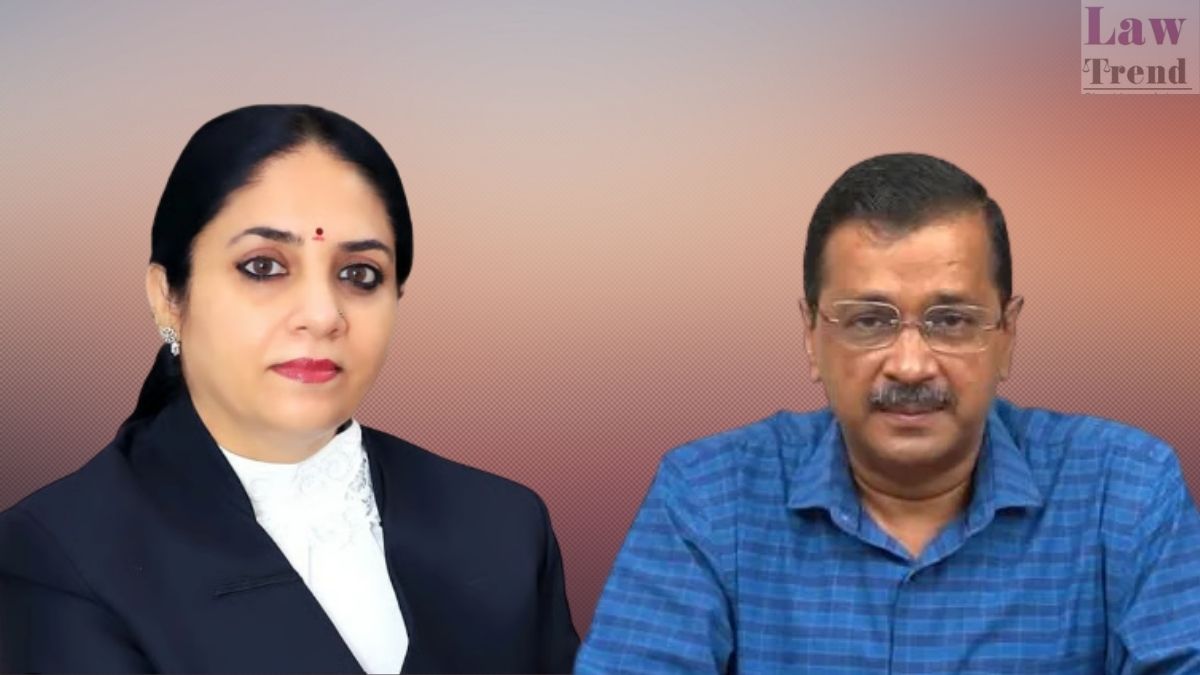
The Delhi High Court on Monday witnessed a significant procedural turn in the alleged excise policy case as former Chief Minister Arvind Kejriwal informed the court of his intention to represent himself. Appearing before a bench of Justice Swarana Kanta Sharma, Kejriwal sought to personally argue an application seeking the judge’s recusal from the CBI’s plea, which challenges the trial court’s decision to discharge him and others in the matter.
The court has issued a notice to the Central Bureau of Investigation (CBI) regarding the recusal application and has scheduled the next hearing for April 13.
Procedural Hurdles and Personal Appearance
During the proceedings, Kejriwal, who was accompanied by his wife, addressed the bench directly regarding his legal representation. He clarified that he has not issued a vakalatnama (a document authorizing a lawyer to act on a party’s behalf) to any counsel for this specific application.
“I will argue this case myself. I will avail my legal rights. As of now, I have not issued my vakalatnama to anyone,” Kejriwal told the bench.
The court noted the procedural requirement that a petitioner can only argue in person if they are not represented by a lawyer. Kejriwal explained that since he is appearing in person, he faced technical constraints in e-filing the recusal application and requested the court to accept a hard copy on record.
“I filed the recusal application as per the High Court procedure. A petitioner appearing in person cannot e-file, so your lordships may kindly take it on record,” he submitted.
CBI Objects to “Theatrics”
The move to argue in person met with strong opposition from Solicitor General Tushar Mehta, representing the CBI. Mehta raised concerns over the transition from legal counsel to personal representation and the nature of the applications being filed.
“I have no objection to him appearing personally, but he has already engaged a lawyer,” Mehta argued. “Unless he discharges his counsel, he cannot argue himself—if he chooses to appear, only he should represent the case going forward. This forum is not for theatrics.”
The Solicitor General further flagged the frequency of recusal applications in the case, suggesting they were aimed at the integrity of the judiciary. “Some people make a career out of making allegations. These are not just personal claims; they target an institution. This is something very serious that has happened in the capital of this country,” Mehta stated.
Case Background: The Excise Policy Dispute
The matter originates from the CBI’s challenge to a trial court order that discharged Kejriwal and several former officials from the excise policy case. The case involves allegations of irregularities and corruption in the formulation and implementation of Delhi’s liquor licensing process during Kejriwal’s tenure.
On March 11, the accused moved a representation seeking to reassign the case to a different judge, citing a “grave, bona fide and reasonable apprehension” regarding the impartiality of the current hearing. Parallelly, the High Court had previously granted the accused a final opportunity to respond to a plea by the Enforcement Directorate (ED). The ED is seeking the removal of “unwarranted remarks” made by the trial court against the agency while it was discharging the accused.
The High Court has now clarified that any other parties involved who wish to file similar recusal applications are permitted to do so before the next date of hearing.




