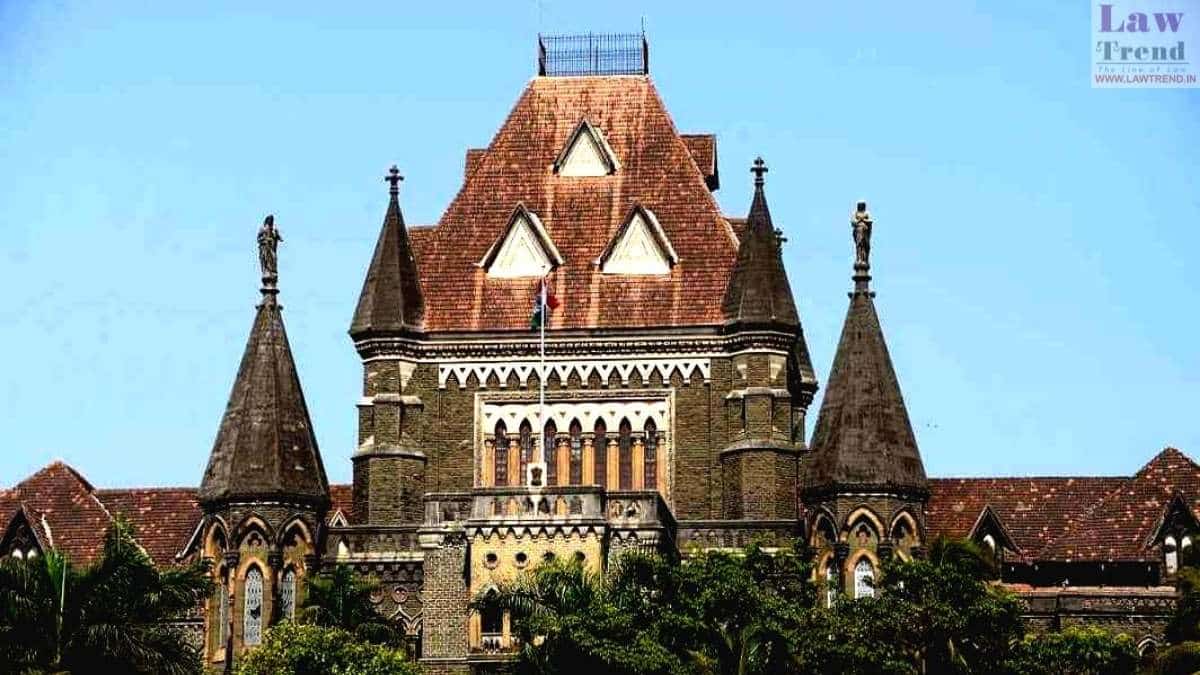
The Bombay High Court on Monday came down heavily on the Maharashtra government for failing to adequately address the alarming number of deaths of infants, pregnant women, and lactating mothers due to malnutrition in the tribal-dominated Melghat region.
A division bench of Justices Ravindra Ghuge and Abhay Mantri, while hearing a batch of public interest petitions, expressed deep concern over the persisting malnutrition crisis, remarking that the government was doing “too little” and lacked the “will and desire” to bring about meaningful change.
“Too little is being done. The government must take a zero-tolerance approach to ensure such deaths do not occur on account of common reasons as is being seen in the last two or three decades,” the bench remarked.
The court was informed that more than 115 deaths of infants, pregnant women, and lactating mothers have been recorded in the region, allegedly due to malnutrition. However, the state, in an affidavit, claimed that not all deaths were directly attributable to malnutrition and that various other factors contributed to the fatalities.
Additional Government Pleader P. B. Samant submitted that early marriages — sometimes as young as 13 or 14 years — followed by premature pregnancies and complications during childbirth, were also contributing factors.
The court directed the state to go beyond surface-level data and undertake a comprehensive analysis of the root causes leading to such deaths. It also urged the government to formulate a detailed roadmap on how it plans to tackle the crisis.
“Problems are many. The government must have the will and desire to overcome those problems,” the court observed.
Emphasizing the need for proactive intervention, the High Court suggested that the government:
- Strengthen Primary Health Centres (PHCs) in tribal regions
- Ensure deployment of experienced gynaecologists and paediatricians alongside newly-graduated doctors
- Raise awareness among tribal populations about health, nutrition, and early pregnancy risks
- Roll out special schemes targeted at vulnerable communities
The matter will now be heard on February 27, with the court directing the state to present its action plan by then.