

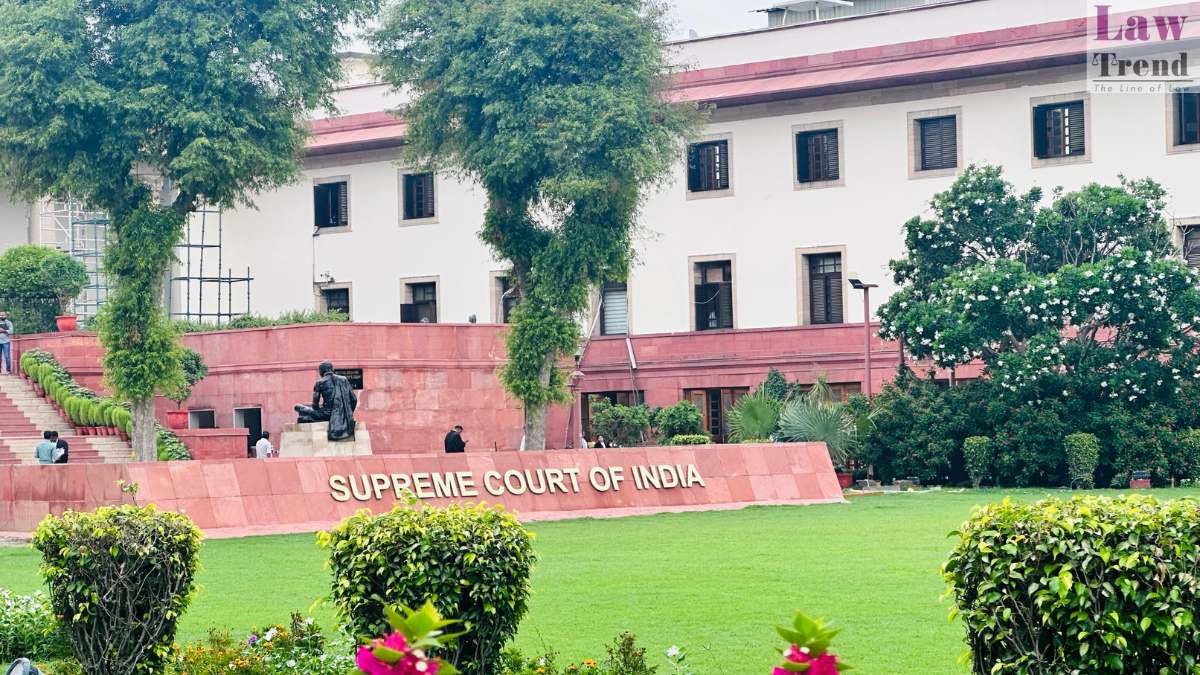
The Supreme Court on Monday dismissed a public interest litigation seeking a nationwide ban on viewing pornography in public places, ruling that the matter is a regulatory and technological issue rather than a legal question.
A three-judge bench consisting of Chief Justice Surya Kant and Justices Joymalya Bagchi and V Mohna declined to entertain the petition. The court directed the petitioner to instead submit a representation to the relevant government authorities for consideration.
Judicial Focus On Technical Expertise
In its decision, the bench acknowledged the significance of the issue but clarified that the matter does not present a legal question for judicial review. The court observed that regulating public pornography access involves complex policy decisions, specialized technological developments, and expert evaluations. Such challenges, the judges noted, fall under the jurisdiction of government specialists, specifically the Ministry of Electronics and Information Technology.
The petition was initiated by social worker B L Jain, who was represented in court by advocate Varun Thakur. The legal challenge sought the formulation of a comprehensive national policy and action plan to restrict pornography access, with a particular focus on preventing minors from viewing adult content, alongside a complete prohibition on viewing such material in public areas.
Petitioner Cites Rise In Sexual Crimes
According to the petition, the widespread availability of high-speed mobile internet has made adult content easily accessible, resulting in widespread consumption and addiction. The plea cited statistics claiming that approximately 5,000 pornography websites are viewed every second globally and that more than 20 million video clips are uploaded online.
The petition also argued that the rising consumption of adult content directly contributes to an increase in sexual offenses. To support the request for government intervention, the plea highlighted Section 69A of the Information Technology Act, 2000, which grants the federal government the legal authority to block public access to specific digital resources and information.




