

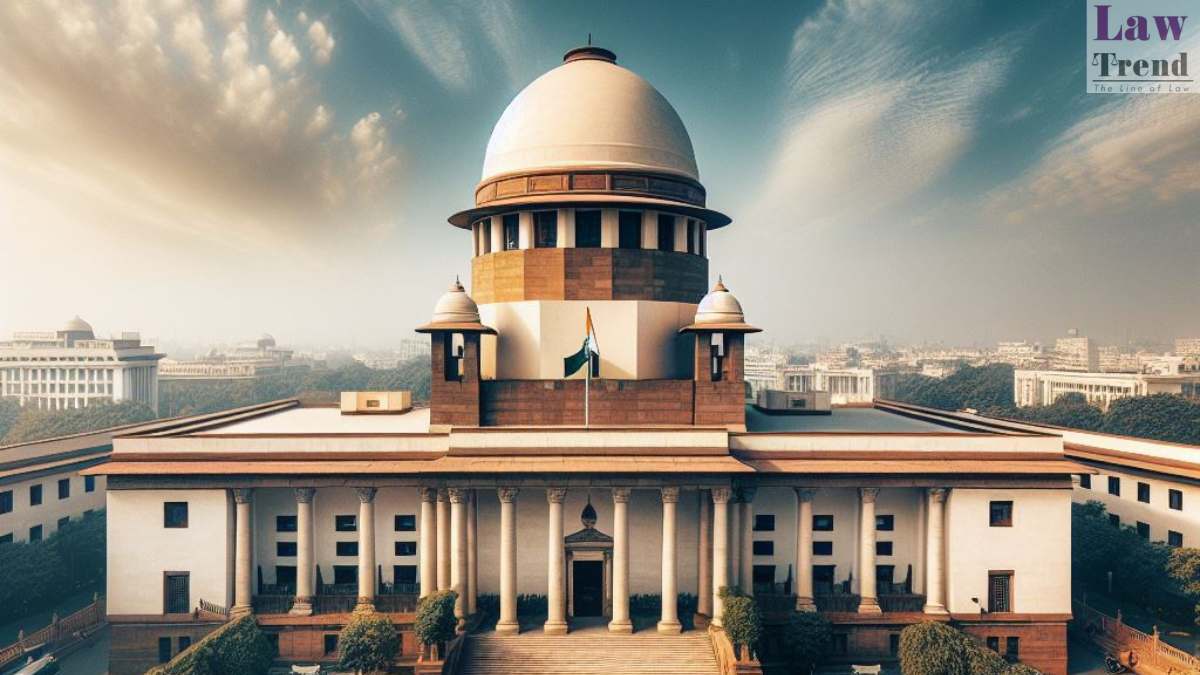
The Supreme Court of India on Thursday declined to directly intervene in a petition filed by a group of ex-servicemen challenging the validity of current pay-fixation rules. The veterans alleged that the existing framework “unfairly penalises” those who transition into civil service roles following their military retirement.
A bench comprising Chief Justice Surya Kant, Justice Joymalya Bagchi, and Justice Vipul M. Pancholi heard the matter. While the court refused to entertain the plea at this stage, it granted liberty to the petitioners to submit a formal representation to the relevant government authorities.
The petition, led by Baidya Nath Choudhary and five others, specifically challenged Rule 8 of the Central Civil Services (Revised Pay) Rules, 2016, and a subsequent Department of Personnel and Training (DoPT) memorandum dated May 1, 2017.
The petitioners, all former Personnel Below Officer Rank (PBORs) who now serve in departments such as the Income Tax Department and the Food Corporation of India, argued that the current rules are “inherently unequal.”
The core of their grievance lies in the “mechanical fixation” of pay. Under current regulations, veterans are required to start at the “minimum pay level” of their new civil service posts. The plea contended that this policy completely disregards decades of military service, prior experience, and the last-drawn salary of veterans from the Army, Navy, or Air Force.
Represented by advocate-on-record Ashwani Dubey, the veterans argued that treating recruits with 15 to 20 years of military experience as “fresh entrants” violates Article 14 (Right to Equality) of the Constitution.
The plea further alleged “hostile discrimination,” pointing out a discrepancy in how different sectors handle veteran re-employment. According to the petitioners, while public sector banks often provide pay protection to re-employed veterans, other government departments do not, often leaving veterans in a “worse-off” financial position where their combined income is lower than what they received during active service.
The Supreme Court bench noted that the petitioners should first exhaust administrative remedies. The court allowed lawyer Ashwini Upadhyay to make a representation to the concerned authorities, directing them to take a decision on the matter as early as possible.
The bench further clarified that if the petitioners remain dissatisfied with the decision taken by the authorities, they reserve the right to approach the Central Administrative Tribunal (CAT) to seek redressal for their grievances.




