

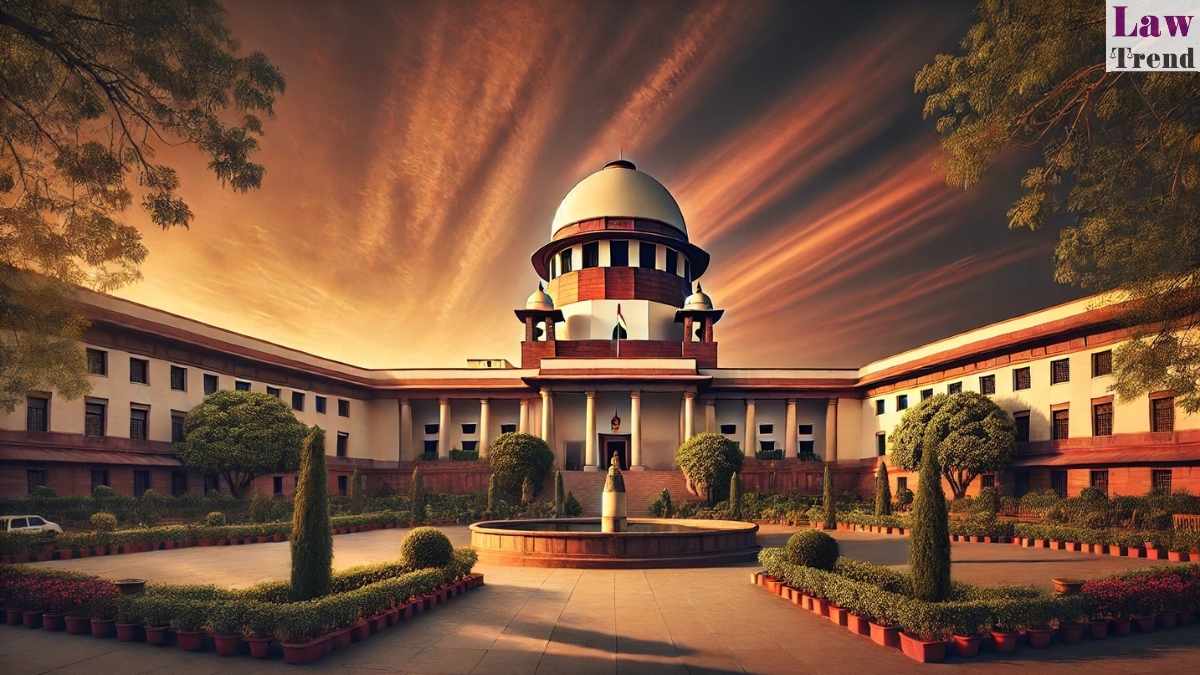
The Supreme Court of India on Wednesday permitted the Uttar Pradesh government to proceed with its proposed night safari and zoological park in Lucknow’s Kukrail Reserve Forest. The court dismissed objections that the project would disrupt the protected forest area, ruling that development should not be entirely halted when environmental experts are available to supervise necessary safeguards.
A three-judge bench led by Chief Justice of India Surya Kant, alongside Justices Joymalya Bagchi and V Mohana, directed the state administration to strictly adhere to the guidelines and conditions imposed by regulatory authorities. The project must receive formal clearance from the Central Government, the Central Zoo Authority, the Ministry of Environment, Forest and Climate Change, and the court-appointed Central Empowered Committee, which has already granted its approval.
The two-phase development is slated to be India’s first urban night safari, covering a portion of the 5,000-hectare reserve forest at an estimated cost of 1,500 crore rupees.
Significant Project Modifications and Restrictions
While clearing the project, the Central Empowered Committee imposed several major modifications to safeguard the sensitive forest ecosystem. The committee rejected the Uttar Pradesh government’s proposal to relocate the existing 72-acre Lucknow Zoo to the Kukrail forest.
Additionally, the state must scale down its infrastructure plans. Instead of building a four-lane corridor through the reserve, the government is required to limit the road expansion to a two-lane route. Plans for an adventure zone, which originally featured an after-dark forest experience, a tram service, and an augmented reality theater, have been completely removed from the project scope.
Environmental Compliance and Monitoring
The Supreme Court has mandated strict environmental compliance and oversight for the duration of the construction. Any tree-felling must be kept to the absolute minimum necessary for essential engineering modifications and realignment. To offset the environmental impact, the state must carry out compensatory planting at a 1:10 ratio, planting ten new trees for every single tree cut down.
An independent oversight committee will be set up to ensure the project complies with all regulatory environmental standards. Regular inspections will be conducted under the joint supervision of the Central Empowered Committee and the Central Zoo Authority.
Judicial Supervision and Community Input
The apex court has ordered the Central Empowered Committee to conduct physical site visits to verify that the state is actively complying with all specified environmental conditions. The committee is required to submit a progress report to the court in three months.
To ensure public concerns are addressed, Chief Justice Kant also authorized several litigants involved in the case to submit their suggestions directly to the committee.




