

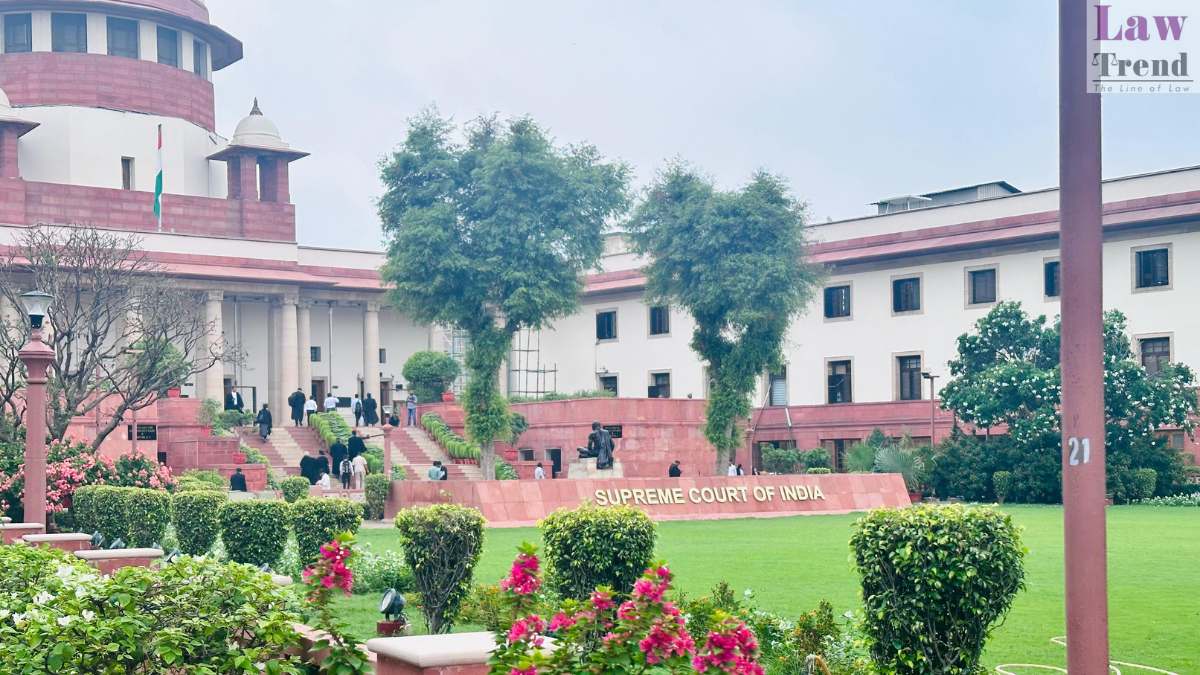
The Supreme Court of India has called for a significant overhaul in how private transport services cater to persons with disabilities (PwDs), suggesting that ride-hailing applications should include specific provisions for modified vehicles capable of accommodating wheelchairs and other assistive devices.
A bench comprising Justices Vikram Nath and Sandeep Mehta emphasized that the current transport infrastructure lacks the necessary “effective access” required for PwDs to navigate daily life independently. The court’s observations point toward a future where “first and last-mile” connectivity is not just a convenience, but a guaranteed right for all citizens.
During the proceedings, the bench opined that digital transport aggregators could play a pivotal role in bridging the accessibility gap. The Justices suggested that mobile applications should feature a dedicated option to book specified cabs that have been modified to meet the unique needs of disabled commuters.
“Cabs should be equipped to accommodate wheelchairs and other assistive devices,” the bench remarked, stressing the urgent need for carriers and structural modifications in vehicles to ensure that PwDs are not excluded from private transit ecosystems.
The Union government, represented by its counsel, informed the court that the Ministry’s concerned departments are already evaluating issues related to accessibility in public transport.
Recognizing the technical and policy-driven nature of the matter, the top court has sought the assistance of Additional Solicitor General Aishwarya Bhati. Her expertise is expected to help the court navigate the regulatory framework required to implement these accessibility standards across the transport sector.
The court’s intervention comes in response to a plea filed by Shivjeet Singh Raghav. The petitioner approached the apex court seeking judicial directions to ensure better “first and last-mile” access—the critical segments of a journey that often remain the most challenging for those with limited mobility.




