

State Cannot Prescribe Qualifications for Drug Inspector; Rule 8 of 2015 Rules Ultra Vires Central Law: Allahabad HC
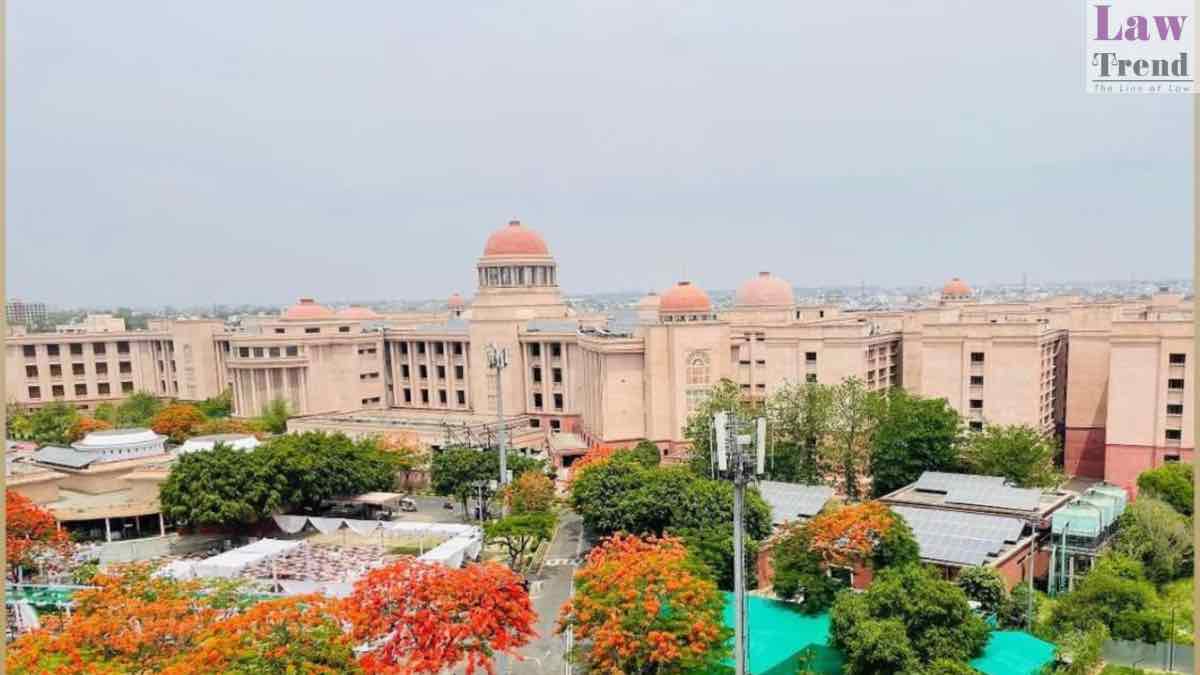

The High Court of Judicature at Allahabad, Lucknow Bench, has declared Rule 8(ii)(a) to (c) of the U.P. Food and Drug Administration Department Gazetted Officers (Drug) Service (Third Amendment) Rules, 2015, as ultra vires. The Division Bench, comprising Justice Rajan Roy and Justice Manjive Shukla, ruled that the State Government lacks the competence to prescribe qualifications for the post of Drug Inspector that are inconsistent with or in addition to those prescribed by the Central Government under the Drugs and Cosmetics Act, 1940.

Background

The court was hearing two connected matters: Special Appeal No. 163 of 2021, filed by the U.P. Public Service Commission (UPPSC), and Writ A No. 8721 of 2022. The dispute originated from the selection process for the post of Drug Inspector advertised in 2016 and 2018. The petitioners challenged Rule 8 of the 2015 State Rules, arguing it prescribed experience requirements as “essential qualifications” which were not mandated by the Central Rules for the recruitment to the post.

Under Rule 8 of the State Rules, 2015, candidates were required to possess not only a degree in Pharmacy or Medicine but also 18 months of experience in manufacturing or testing substances specified in Schedule ‘C’ of the Drug and Cosmetics Rules, 1945.

Arguments of the Parties

Counsel for the petitioners, Shri Anurag Shukla, argued that the post of Drug Inspector is governed by the Drugs and Cosmetics Act, 1940 (a Central Act referable to the Concurrent List). He contended that Section 21(1) read with Section 33(2)(b) of the Act vests the power to prescribe qualifications exclusively with the Central Government. The Central Government had already prescribed these via Rule 49 of the Drugs & Cosmetics Rules, 1945, which lists the academic degree as the essential qualification, while the experience mentioned in the proviso relates only to the specific duty of inspecting “Schedule C” substances, not the recruitment itself.

The State Counsel and the UPPSC argued that under Entry 41 of the State List (Public Services), the State has the power to regulate the conditions of service for posts connected with the affairs of the State. They relied on the Supreme Court judgment in S. Satyapal Reddy vs. Govt. of A.P. (1994) to argue that the State could prescribe “higher” qualifications than the “minimum” prescribed by the Center.

READ ALSO  [120-B IPC] Evidence Showing Meeting of Minds Between Conspirators Necessary For Conviction, holds Supreme Court

Court’s Analysis

The Court noted that the rule-making power under the proviso to Article 309 is “subject to the provisions of any such Act” passed by the appropriate legislature. It observed that the Drugs and Cosmetics Act, 1940, is the primary legislation on the subject and occupies the field.

Referring to the recent Supreme Court decision in State of Haryana vs. Krishan Kumar (2025), the Bench stated:

“The D&C Act being a central law confers power to the Central Government to prescribe the qualification for appointment of Inspectors… it is the primary legislation on the subject and occupies the field. The Rules of 2018

$$State Rules$$

READ ALSO  Allegations about Manhood of Husband, forcing Him to Take Impotency Test is Mental Cruelty: Delhi High Court

framed… under the proviso to Article 309… cannot override the Drug Rules in so far as it relates to prescription of qualification for appointment of Inspector.”

The Court clarified that the experience mentioned in the proviso to Rule 49 of the Central Rules is a condition for authorizing an inspector to inspect Schedule C manufacturing units, not an essential qualification for the appointment itself. The State, by incorporating this experience as a mandatory requirement for recruitment, acted without competence.

Regarding the S. Satyapal Reddy case, the Court noted that the Supreme Court in Krishan Kumar had already distinguished it, as the Motor Vehicles Act specifically allowed for “minimum qualifications” leaving room for higher State standards, whereas the D&C Act confers “exclusive jurisdiction” upon the Central Government to frame rules for the appointment of Inspectors.

Decision

The High Court declared Rule 8(ii)(a) to (c) of the Rules, 2015, ultra vires. However, the Court declined to quash the 2016 and 2018 advertisements or the appointments already made. The Bench noted that 23 out of 27 posts were filled and the appointees had been working for nearly five years. It held:

READ ALSO  Prosecution Can Submit Omitted Documents Even After Filing Charge Sheet, Regardless of When Collected: Supreme Court

“…they being qualified, we find it inequitable and unjust to throw them out of service after five years, as all their experience would go waste.”

For the petitioners who were excluded, the Court directed the Commission to permit them to participate in the ongoing selection process initiated via an advertisement dated December 22, 2025, provided they satisfy other legal conditions.

The Court concluded:

“It is, however, made clear that in all pending and future selections for the post of Drug Inspector, the qualification prescribed shall be such, as is prescribed by the Central Government by Rules made under Section 33(2)(b) read with Section 21 and 3(i) of the Act, 1940 unless the statutory provision and law undergoes a change.”

Case Details :

Case Title: U.P. Public Service Commission Prayagraj Thru Secy. Versus Ashish Tyagi And Ors. (and connected writ petition)

Case No.: Special Appeal No. 163 of 2021

Bench: Justice Rajan Roy and Justice Manjive Shukla

Date: April 3, 2026

Law Trend
Law Trendhttps://lawtrend.in/
Legal News Website Providing Latest Judgments of Supreme Court and High Court

Related Articles

Latest Articles

