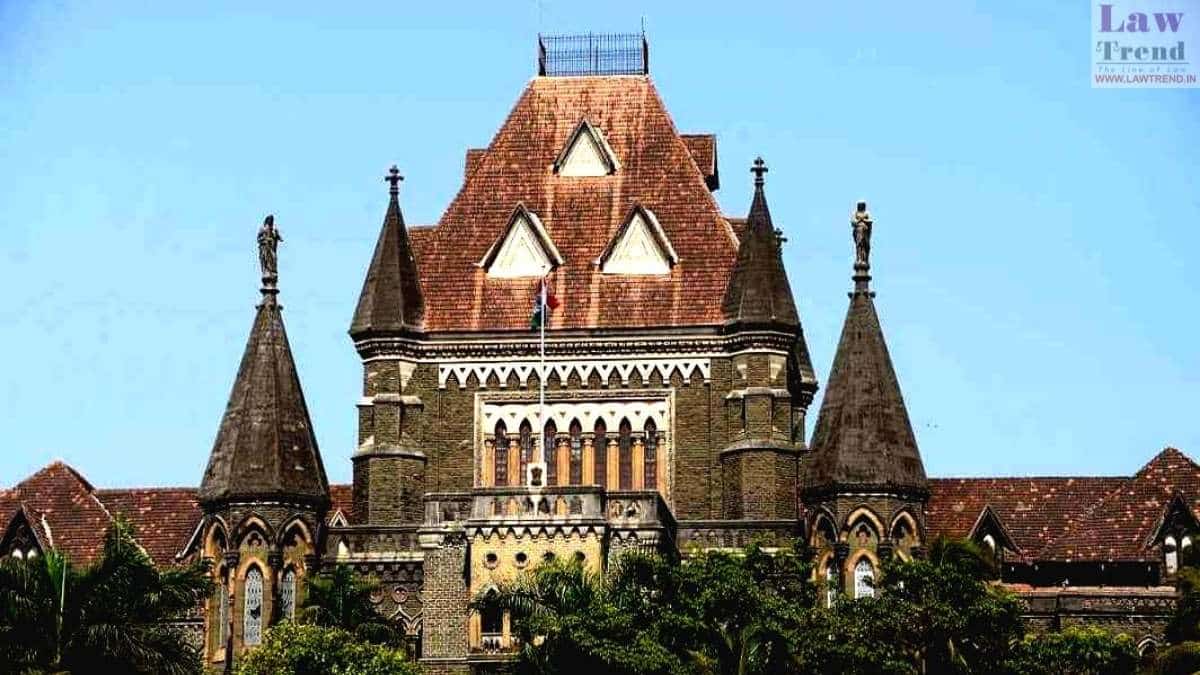
The Bombay High Court has held that a commuter travelling during peak hours on Mumbai’s suburban railway network often has no option but to stand near the train door due to overcrowding, and such a circumstance cannot be branded as negligence.
A single judge bench of Justice Jitendra Jain dismissed an appeal filed by the Union government challenging a 2009 decision of the Railway Claims Tribunal, which had granted compensation to the family of a man who fell from a local train and later died.
The case relates to an incident on October 28, 2005, when the deceased fell while travelling from Bhayendar to Marine Lines on the Western Railway line. He succumbed to his injuries a few days later. The Tribunal had awarded compensation to his dependants, which the Railways contested, claiming the accident resulted from his own negligent conduct for standing on the footboard near the door.
Rejecting this contention, the court acknowledged the ground reality of suburban train travel in Mumbai.
A Virar–Churchgate local during morning peak hours is heavily crowded, the bench noted, making it “difficult for any passenger to enter the compartment, especially at Bhayendar railway station.” It observed that the situation remains unchanged even today, adding that commuters who travel for work “have no choice but to risk” standing near the door.
The court emphasised that it cannot ignore this reality, nor could such forced positioning be equated with negligence.
The bench also clarified that there is no provision in law excluding compensation when a person falls from a train after being compelled to stand near the door due to overcrowding.
It stated that such a fall continues to be covered under the definition of an “untoward incident,” as defined under railway law.
Another argument raised by the Railways was that no ticket or pass was recovered from the body, indicating the victim was not a bona fide passenger. However, the court held otherwise, noting the deceased’s wife had produced his valid local train pass and identity card before the Tribunal.
The court accepted the genuineness of the pass, observing that forgetting to carry it on a particular day would not disqualify dependants from receiving compensation.
Finding no infirmity in the Tribunal’s ruling, the High Court upheld the compensation and disposed of the Railways’ appeal.