

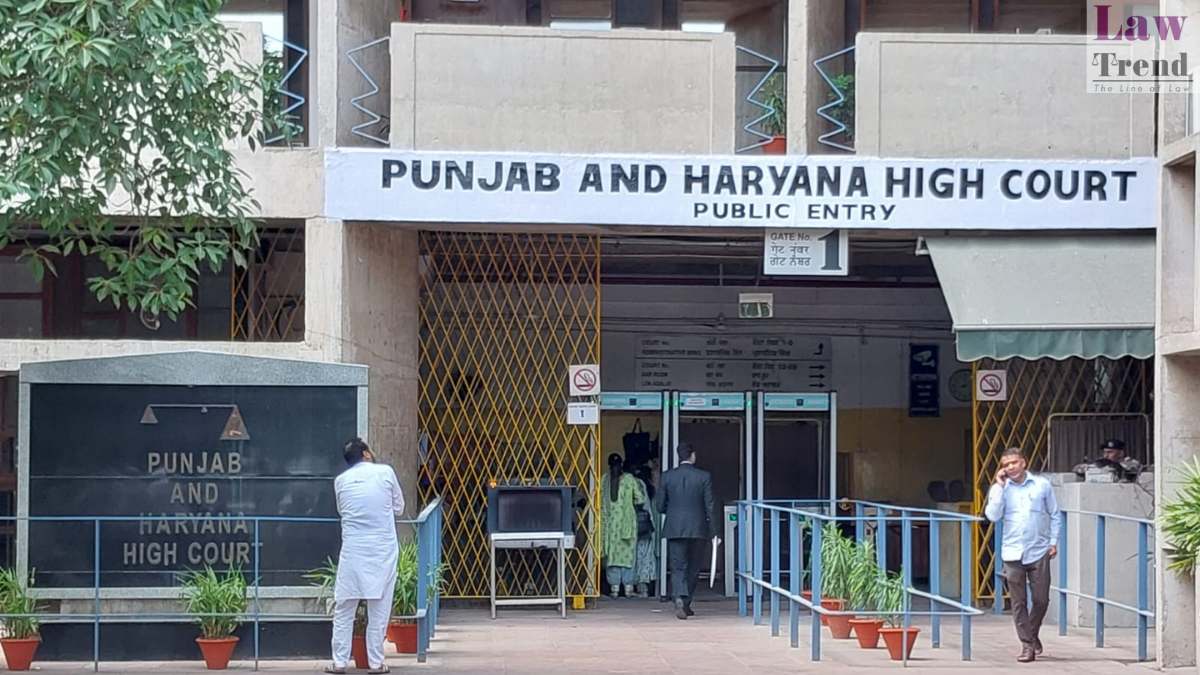
The Punjab and Haryana High Court has set aside the conviction and four-year sentence of Aam Aadmi Party (AAP) MLA Manjinder Singh Lalpura and seven others in a 2013 case involving allegations of molestation and assault. The decision, delivered by the bench of Justice Tribhuvan Dahiya, comes after the accused and the complainant reached an amicable settlement to resolve the decade-old dispute.
By allowing the petition, the High Court quashed the FIR registered in March 2013 at the Tarn Taran police station and set aside the September 2023 judgment of a Tarn Taran court that had found the Khadoor Sahib legislator guilty.
The legal proceedings originated from an incident on March 3, 2013, in Tarn Taran. The complainant, a woman belonging to the Scheduled Caste community, alleged that she and her family members were assaulted by a group of individuals, including Lalpura and certain local police personnel, while they were visiting the town for a wedding. At the time of the incident, Manjinder Singh Lalpura was working as a taxi driver.
The FIR included various sections of the Indian Penal Code (IPC) alongside provisions of the Scheduled Castes and the Scheduled Tribes (Prevention of Atrocities) Act. Last year, a trial court in Punjab had convicted the eight accused, sentencing them to four years of imprisonment, a ruling that has now been overturned.
During the proceedings, it was revealed that the petitioners and the complainant had reached a formal compromise on February 4, 2024. A report submitted by the Tarn Taran Chief Judicial Magistrate on March 25 confirmed that the settlement was “without any pressure, coercion or undue influence.”
In its order, the High Court noted that the offences alleged were not “heinous in nature” and did not represent a “crime against the society.” Justice Dahiya observed:
“The offences alleged… do not show mental depravity of the petitioners. Besides, the incident is about 13 years old and nothing untoward has happened between the parties thereafter.”
The Court further emphasized that insisting on a merits-based decision after a voluntary resolution would be counterproductive to the parties’ future relations.
“Since disputes between the parties have been amicably resolved by way of the compromise, decision on the pending appeals against conviction on merits will hamper their peaceful co-existence even after resolution of disputes,” the bench remarked.
To justify the quashing of the conviction based on a settlement—even in non-compoundable cases—the High Court relied on several landmark Supreme Court rulings:
- Gian Singh vs State of Punjab (2012): Establishing that criminal cases of a predominantly civil or private nature should be quashed if parties resolve disputes bona fide.
- Shiji alias Pappu and others vs Radhika and another (2012): Wherein proceedings under Sections 354 and 394 of the IPC were quashed following a compromise.
- Ramgopal and another vs State of Madhya Pradesh (2022): Affirming that High Courts can exercise inherent powers under Section 482 of the CrPC to set aside convictions to secure the ends of justice if a compromise is reached post-conviction.
The Court noted that the petitioners had no prior criminal antecedents and were not proclaimed offenders. With the State and respondent counsels expressing no objection, the court acquitted all eight individuals of all charges “for all intents and purposes.”




