

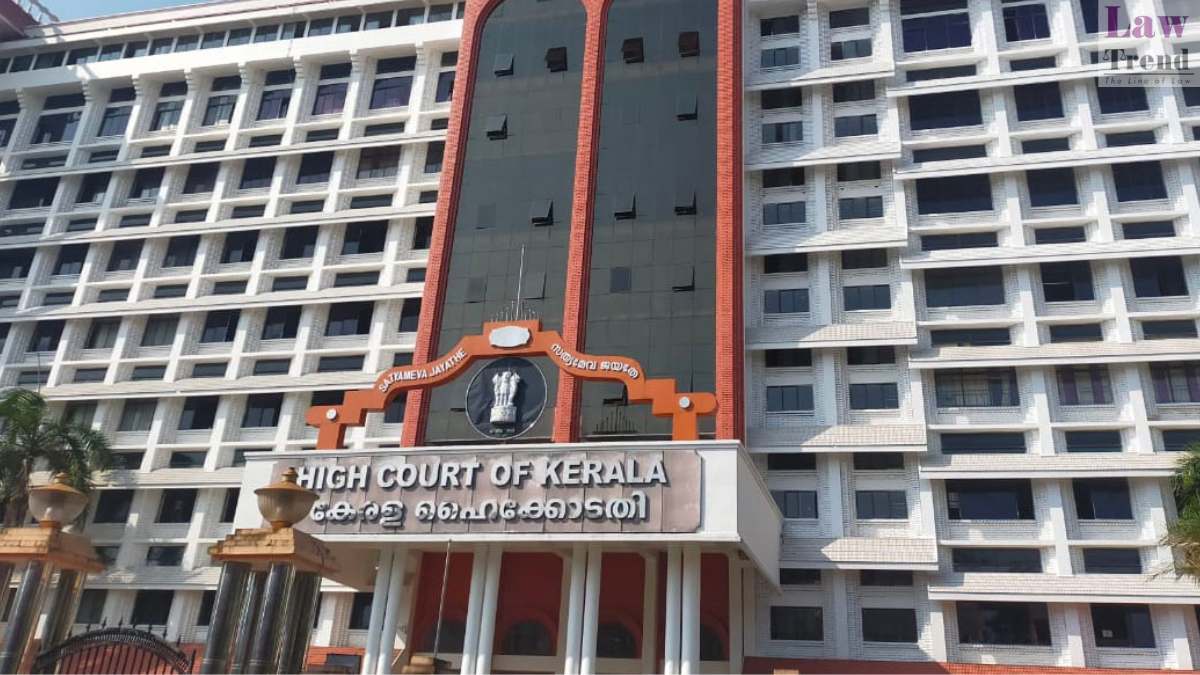
The Kerala High Court has introduced a new regulatory framework aimed at preventing sexual harassment and strengthening gender sensitisation within its premises. The regulations, officially notified in the state gazette on March 17, will come into force from March 23.
Titled Gender Sensitisation and Sexual Harassment of Women at the High Court of Kerala (Prevention, Prohibition and Redressal) Regulations, 2026, the framework lays down a structured mechanism for addressing complaints and promoting a safer workplace environment within the High Court.
A key feature of the regulations is the constitution of a Gender Sensitisation and Internal Complaints Committee (GSICC), which will consist of 7 to 13 members. The panel will include one or two High Court judges, with one serving as chairperson.
The committee will also have representation from the legal community, including one or two advocates with at least 20 years of membership in the Kerala High Court Advocates’ Association (KHCAA). Additionally, one or two lawyers with a minimum of 10 years’ membership in the KHCAA—at least one of whom must be a woman—will be part of the panel.
Further representation has been ensured by including one woman member each from the Kerala Federation of Women Lawyers and the Kerala High Court Clerks’ Association. The Chief Justice is also empowered to nominate one or two individuals from the Women and Child Development Department or from NGOs working in areas such as social justice, women’s empowerment, or gender justice, with at least one woman member among them.
Each GSICC member will serve a term of two years, with a restriction that no member can be appointed for more than two consecutive terms. The committee is required to meet at least once every three months, or more frequently if needed.
Beyond handling complaints, the GSICC has been tasked with framing policies and ensuring their implementation to promote gender sensitisation and prevent sexual harassment within the High Court.
The regulations provide a detailed definition of what constitutes sexual harassment. This includes physical contact and advances, demands for sexual favours, sexually coloured remarks, and the display or transmission of sexually explicit material.
Other acts covered under the definition include stalking, voyeurism, and any conduct where a person in a position of authority exploits that position to seek sexual favours, including by linking such demands to career advancement.
The rules also recognise subtler forms of harassment, such as implied or explicit promises of preferential or adverse treatment in employment, threats affecting career prospects, interference with work, or the creation of an intimidating or hostile work environment. Any behaviour with a sexual undertone that impacts a woman’s emotional or physical well-being is also covered.
Under the framework, once the GSICC completes its inquiry and submits its report along with recommendations, the Chief Justice will review the findings. The parties involved will be given an opportunity to be heard before any final order is passed.
The regulations clarify that the provisions of the Sexual Harassment of Women at Workplace (Prevention, Prohibition and Redressal) Act, 2013 will prevail over these rules. In cases where a complaint falls within the scope of the 2013 Act, the GSICC will not have jurisdiction to entertain it.
With these regulations, the Kerala High Court has formalised an institutional mechanism to address sexual harassment complaints while also focusing on preventive measures and awareness within its premises.




