

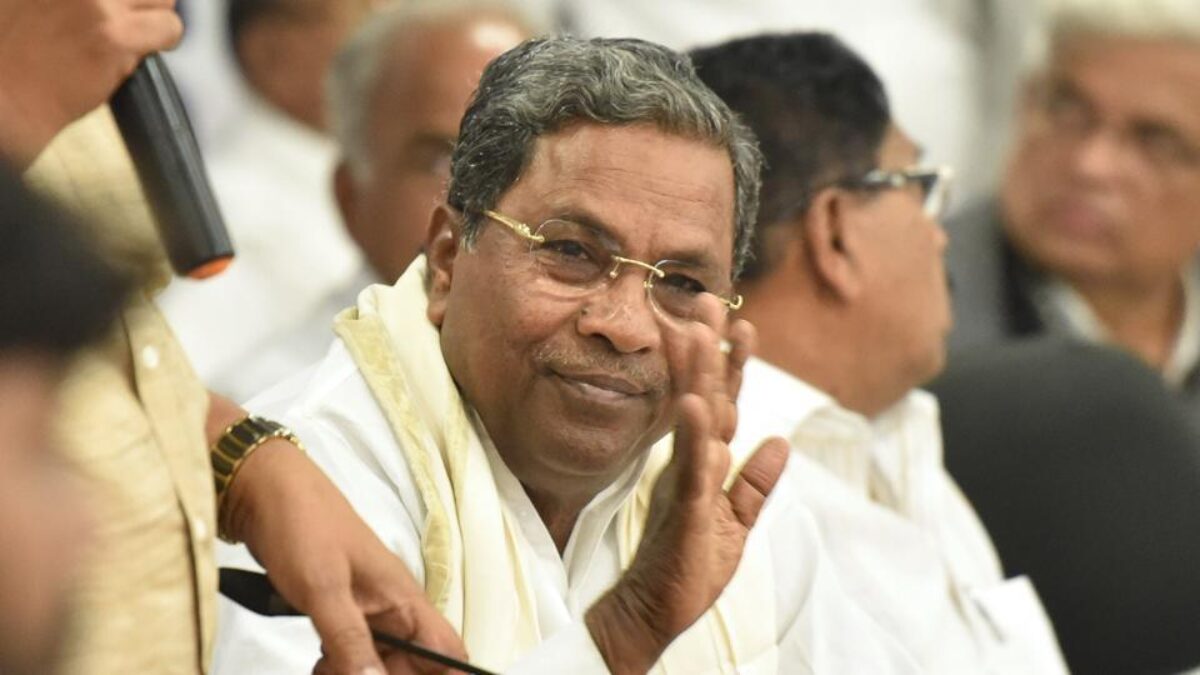
The Karnataka High Court on Thursday intervened in the ongoing legal battle surrounding the Mysore Urban Development Authority (MUDA) land allotment case, issuing formal notices to Chief Minister Siddaramaiah, the Lokayukta police, and the Enforcement Directorate (ED). The move follows a petition challenging a lower court’s decision to accept a closure report that effectively cleared the Chief Minister and his family members of corruption allegations.
Justice S Sunil Dutt Yadav presided over the hearing, acting on a petition filed by social activist Snehamayi Krishna. Krishna, the original complainant in the case, is seeking to overturn a January 28 order from a special court in Bengaluru. That order had accepted the Lokayukta police’s findings that there was insufficient evidence to prosecute the Chief Minister, his wife B.M. Parvathi, and two others.
The controversy centers on the allotment of 14 high-value alternative plots to B.M. Parvathi by MUDA as compensation for three acres of land in Kesare village. The complaint alleges that the original land, gifted to Parvathi by her brother, was illegally developed by MUDA. Krishna contends that Siddaramaiah misused his official position to ensure his family received “highly inflated” compensation in the form of developed plots that far exceeded the value of the original property.
The case has seen significant judicial back-and-forth over the past year:
- July 26, 2024: The Karnataka Governor granted sanction to prosecute Chief Minister Siddaramaiah.
- September 24, 2024: Justice M Nagaprasanna of the High Court upheld the Governor’s sanction, dismissing the Chief Minister’s challenge and noting that the “rules operated in favour of the family” in a manner that required a thorough investigation.
- January 28, 2025: A special court accepted the Lokayukta’s closure report regarding the CM and his family, while allowing the investigation to continue against other accused officials, including former MUDA Commissioners.
In his petition to the High Court, Snehamayi Krishna argued that the special court’s acceptance of the closure report was “mechanical” and failed to independently assess the gravity of the allegations involving the abuse of a constitutional office.
The plea highlights what it describes as an “internal inconsistency” in the special court’s logic—questioning how the court could acknowledge irregularities and order further investigation into some accused while simultaneously exonerating the primary beneficiaries of the land deal.
Krishna is now urging the High Court to transfer the probe to an independent agency and has requested that a retired High Court judge monitor the investigation to ensure transparency.




