

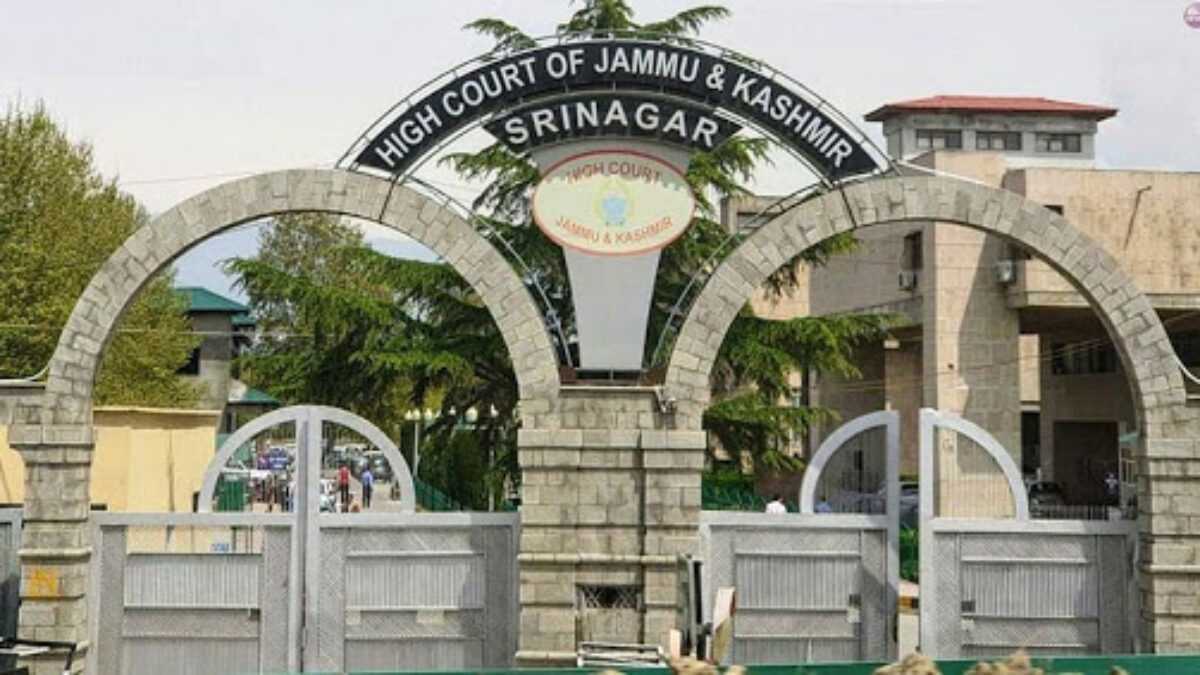
The High Court of Jammu & Kashmir and Ladakh has declined to quash criminal proceedings against three directors of Ahmedabad-based Corona Remedies Private Limited over a batch of tablets declared to be below prescribed quality standards, ruling that access to safe medication is an essential component of the constitutional right to life.
Constitutional Right To Safe Medication
Dismissing a petition challenging the prosecution, Justice Wasim Sadiq Nargal held that the manufacture and distribution of substandard pharmaceuticals directly impact public health and implicate the protections guaranteed under Article 21 of the Indian Constitution. The court emphasized that consumers are entitled to receive drugs that strictly conform to mandated safety and quality benchmarks.
Trial Court To Determine Executive Liability
The ruling allows the Chief Judicial Magistrate in Jammu to resume proceedings against company directors Ankur Kirtikumar Mehta, Dr. Kirtikumar Laxmidas Mehta, and Nirav Kirtikumar Mehta. The magistrate had originally taken cognisance of the matter in July 2018 under Sections 18(a)(i) and 27(d) of the Drugs and Cosmetics Act, 1940, following a complaint by the Central Drugs Standard Control Organisation.
Addressing the directors’ argument that technical staff managed manufacturing and that position alone does not confer criminal liability, the High Court held that individual responsibility under Section 34 of the Act is a matter of factual evidence best left to trial. Justice Nargal cited Supreme Court precedents, including Dinesh B Patel v. State of Gujarat and State of Kerala v. M/s Panacea Biotec Ltd, which cautioned against adopting narrow technical approaches to quash public health prosecutions at the initial stage.
Estoppel And Case Background
The prosecution stems from a batch of “Locipil” tablets produced by Corona Remedies in September 2015 with an expiry date of May 2018. A sample lifted from the ESIC Model Hospital in Bari Brahmana, Jammu, was tested by the Regional Drugs Testing Laboratory in Chandigarh, which declared the sample “Not of Standard Quality” in an August 2016 report.
Although the directors relied on a November 2016 joint inspection report showing adherence to Good Manufacturing Practices, the High Court highlighted the company’s formal response to a regulatory notice issued in September 2016. In its November 2016 reply, the firm stated it had stopped sales, had no remaining stock, accepted the analyst’s findings, and requested a lenient view. Justice Nargal held that because the company did not dispute the findings at that time, the directors were legally barred under the principle of estoppel by conduct from challenging the complaint later.
Interim Stay Vacated
The court also ruled that alleged procedural non-compliance under Sections 23 and 25 of the Act did not warrant dismissing the proceedings at this threshold stage, as any potential prejudice can be examined during the trial.
Finding no jurisdictional error or illegality in the magistrate’s order, the High Court dismissed the petition and vacated a May 2019 interim stay on trial proceedings. The court clarified that it was not determining the guilt or innocence of the directors and directed the lower court to decide the matter independently on its merits.




