

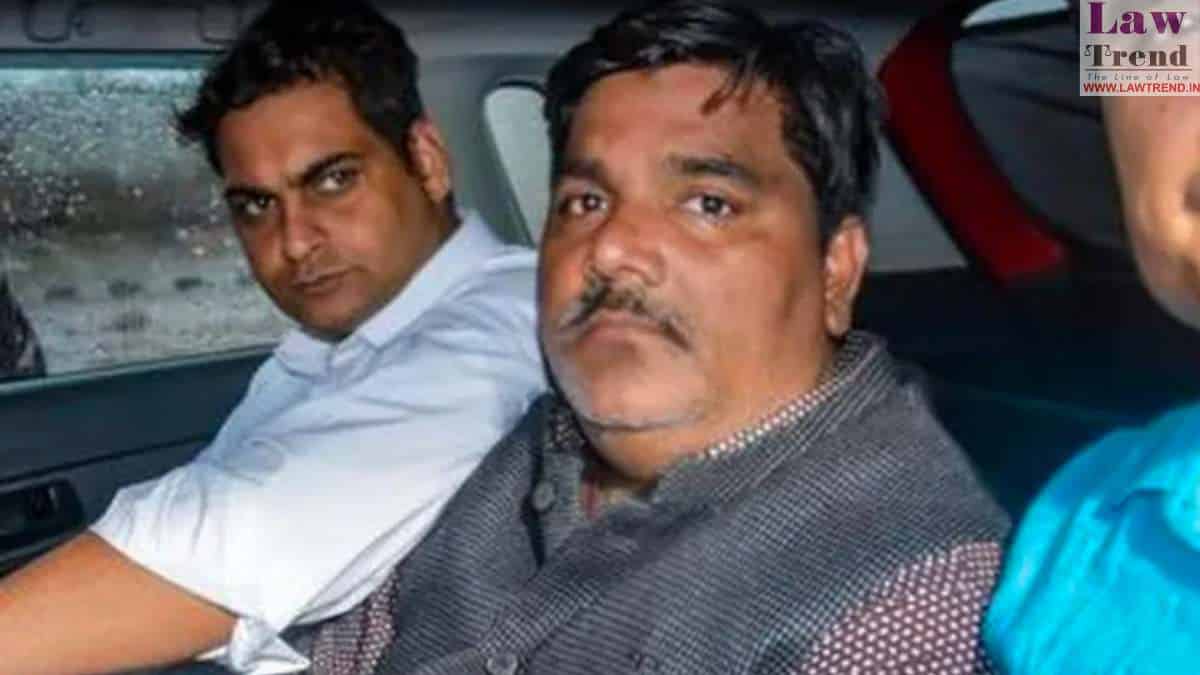
The Delhi High Court has directed local police to clarify their position on a bail application filed by former councillor Tahir Hussain, who is accused of helping orchestrate the February 2020 riots in northeast Delhi.
On Wednesday, a vacation bench consisting of Justices Neena Bansal Krishna and Madhu Jain instructed the Delhi Police to submit their response within four weeks. Hussain is appealing a January 29 ruling by a trial court that denied him regular bail in the conspiracy case.
The high court has scheduled the next hearing for July 14. Additionally, the bench granted the police time to reply to Hussain’s formal request to overlook an 87-day delay in submitting his appeal. Representing the police, Additional Solicitor General S V Raju requested the court for the preparation time.
The Trial Court Decision
In its January 29 decision, the trial court rejected Hussain’s bail application after noting that prior judicial orders had already established a prima facie case against him.
Under Section 43D of the Unlawful Activities (Prevention) Act, an accused individual cannot be granted bail if the presiding court, after reviewing the police report or case diary, finds reasonable grounds to believe the accusations are prima facie true.
Background Of The Conspiracy Case
Hussain and several other individuals were charged under the anti-terror law for allegedly masterminding the February 2020 riots. The violence, which coincided with public demonstrations against the Citizenship Amendment Act of 2019 and the National Register of Citizens, resulted in 53 fatalities and left more than 700 people injured.
The conspiracy case is being handled by the Special Cell of the Delhi Police. Alongside Hussain, activists including Sharjeel Imam, Khalid Saifi, and Umar Khalid have also been booked for their alleged roles in the wider conspiracy.
In its official chargesheet, the Delhi Police highlighted alleged associations between Hussain and activists Umar Khalid and Khalid Saifi, describing them as members of a larger network that coordinated protests across the capital. Police investigators also reported seizing riot materials from Hussain’s residence, including three catapults, a substantial quantity of bricks and stones, and crates containing glass bottles filled with liquid and plugged with cloth rags to serve as Molotov cocktails.


