

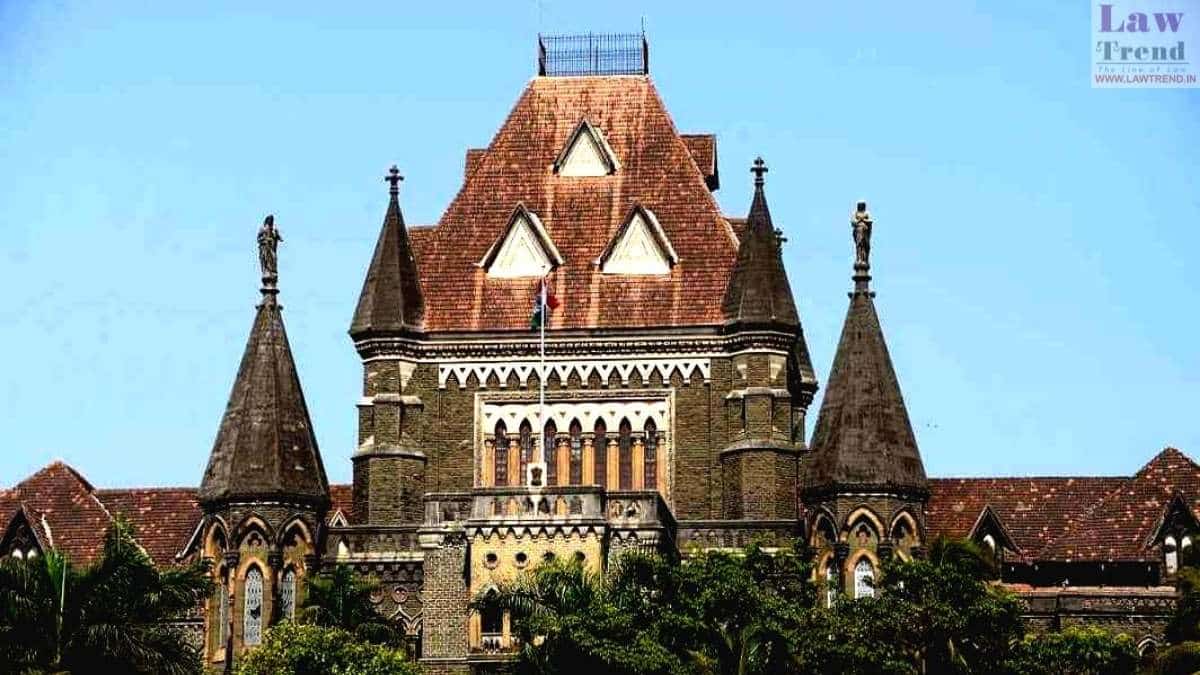
The Bombay High Court on Wednesday discharged four individuals accused of involvement in the 2006 Malegaon serial blasts, effectively quashing a special court’s earlier order that had framed charges against them. The decision marks a significant turn in the nearly two-decade-old case that claimed 31 lives and left over 300 injured in the textile town of Nashik district.
A division bench comprising Chief Justice Shree Chandrashekhar and Justice Shyam Chandak allowed the appeals filed by Rajendra Chaudhary, Dhan Singh, Manohar Ram Singh Narwaria, and Lokesh Sharma. The four men had approached the High Court challenging the special NIA court’s September 2023 decision to frame charges against them under the Indian Penal Code (IPC) for murder and criminal conspiracy, as well as the Unlawful Activities (Prevention) Act (UAPA).
The tragedy dates back to September 8, 2006, when four bombs tore through Malegaon town. Three explosions occurred near the Hamidia Masjid and Bada Kabrastan just as Friday prayers were concluding, while a fourth blast took place at Mushawarat Chowk. The attack resulted in 31 fatalities and caused injuries to 312 persons.
The investigation saw several shifts in direction over the years:
- Initial Probe: The Maharashtra Anti-Terrorism Squad (ATS) initially investigated the case and arrested nine Muslim men.
- NIA Takeover: When the National Investigation Agency (NIA) took over the probe, it alleged that the blasts were the work of right-wing extremists.
- Discharges: Following the NIA’s findings, the nine Muslim men originally arrested by the ATS were discharged by a special court. The NIA then arrested Chaudhary, Singh, Narwaria, and Sharma.
In September 2023, a special court moved forward by framing charges against the four accused. However, the defendants immediately moved the High Court, arguing that the NIA had failed to produce any substantive evidence linking them to the conspiracy or the execution of the blasts.
In January this year, the Bombay High Court admitted their pleas and stayed the trial court proceedings, noting that there was a prima facie case for interference. In their final submissions, the accused maintained that the evidence on record was insufficient to sustain the charges.
By allowing the appeals on Wednesday, the High Court has set aside the special court’s order, resulting in the discharge of the four men. While the court has pronounced the operative part of the judgment, a detailed order outlining the specific reasons for the discharge is expected to be released shortly.


