

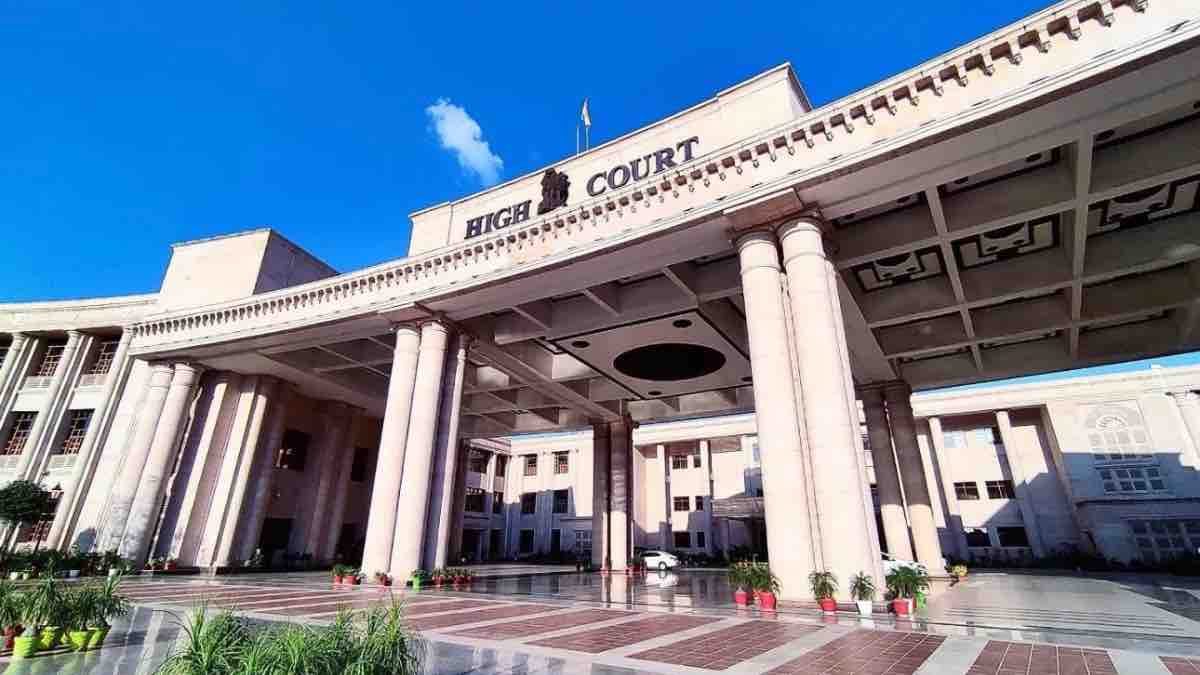
The Allahabad High Court has challenged the Uttar Pradesh government to justify its policy of appointing outgoing village heads as administrators once their elected terms expire, raising critical questions over the constitutionality of the practice.
The Lucknow bench of the high court has directed the Additional Chief Secretary of the Panchayati Raj Department to appear before it via video-conferencing on July 10. The official must explain the state’s legal and constitutional grounds for continuing to place former village heads, known as gram pradhans, in administrator roles.
The directive was issued by a bench of Justices Rajan Roy and Manjeev Shukla during a hearing on a public interest litigation petition filed by Sanjay Kumar Sharma. At the center of the dispute is Section 12(3A) of the Uttar Pradesh Panchayati Raj Act, which permits these appointments.
Constitutional Questions Raised
The high court is investigating whether appointing an outgoing gram pradhan as an administrator serves as an back-door extension of an elected term beyond the limit mandated by the Constitution. Furthermore, the court is examining if this administrative setup encroaches upon the constitutional power of the State Election Commission to hold panchayat elections in a timely manner.
Given the weight of the constitutional issues involved, the bench ordered that the current petition be grouped and scheduled for hearing alongside other pending public interest litigations that challenge the same state policy.
Legal Precedent and Past Rulings
The legal dispute revisits a historical friction between state panchayat rules and constitutional requirements. The bench pointed to a 2000 precedent, Prem Lal Patel vs State of Uttar Pradesh, in which a coordinate bench of the high court struck down a nearly identical statutory provision.
In that prior ruling, the court held that such appointments violated Articles 243E and 243K of the Constitution, declaring them incompatible with the constitutional frameworks governing both panchayat tenures and the independent powers of the State Election Commission.
Although the Supreme Court subsequently disposed of the appeal arising from the 2000 decision, it did not resolve the underlying constitutional dispute, leaving those specific questions of law open to be decided in an appropriate future case.




