

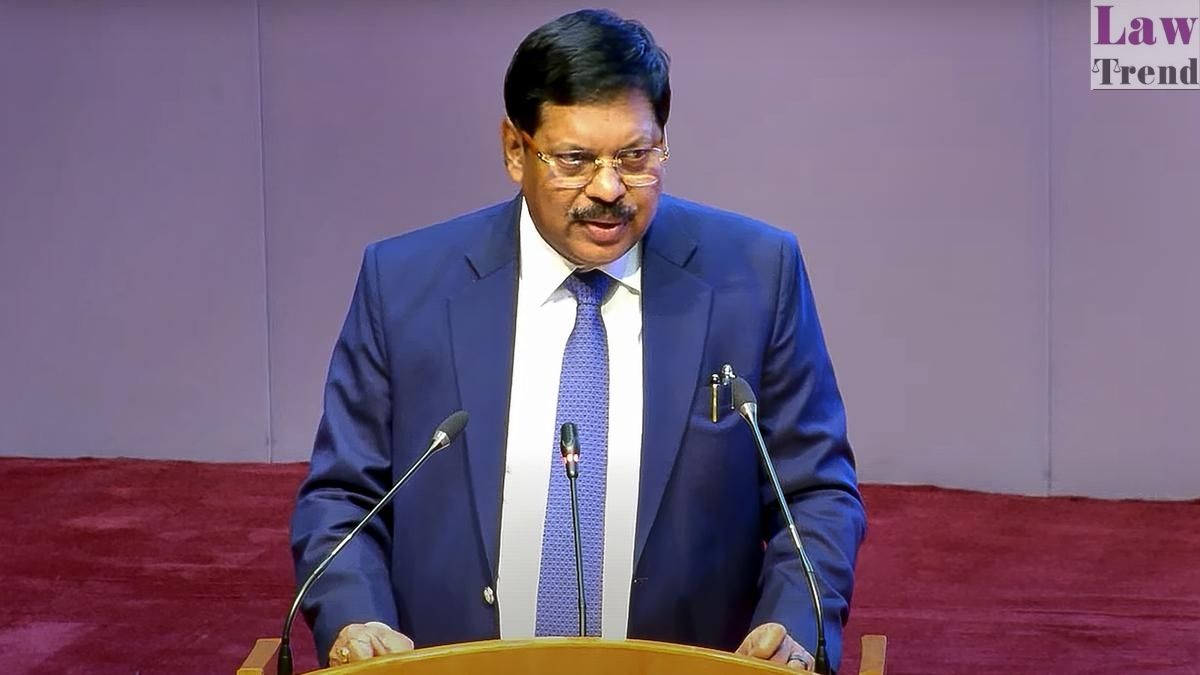
Former Chief Justice of India BR Gavai has written to President Droupadi Murmu, expressing concerns over the lack of social diversity in judicial appointments and questioning the criteria adopted by the collegium for the appointment and transfer of judges.
The former CJI alleged that recent appointments to the Supreme Court and High Courts have disproportionately favoured a particular community, limiting opportunities for candidates belonging to Scheduled Castes (SC), Scheduled Tribes (ST), Other Backward Classes (OBC), minority communities and women.
Gavai urged the President to intervene and take appropriate measures to ensure balanced representation of different sections of society in the higher judiciary.
Questions Lack of Accountability in Collegium System
Referring to the constitutional framework governing judicial appointments, Gavai pointed out that while the President appoints Supreme Court judges, the collegium plays a crucial role in recommending candidates. However, he expressed concern over the absence of accountability in the functioning of the collegium.
He emphasised that ensuring adequate representation of disadvantaged communities in the judiciary is a collective responsibility of the collegium, the government and Parliament.
He also pointed out that the government and Parliament had previously urged the collegium to consider candidates from underrepresented communities while recommending names for judicial appointments.
Raises Concerns Over Disparity in Judicial Appointments
Citing figures in his letter, Gavai stated that of the 715 judges appointed to High Courts since 2018, only 22 belonged to Scheduled Castes, 16 to Scheduled Tribes, 89 to Other Backward Classes and 37 to minority communities.
According to the former CJI, approximately 75 per cent of these appointments were from the general category.
He further stated that between January 2021 and January 2026, general category candidates accounted for nearly 80 per cent of High Court appointments. In contrast, OBC candidates secured less than 14 per cent of appointments despite the community constituting an estimated 40 to 50 per cent of India’s population.
Questions Criteria for Transfer of Judges
The former CJI also raised concerns over alleged inconsistencies in the transfer and elevation of High Court judges.
Referring to one instance, Gavai stated that a judge who had reportedly been transferred from their parent High Court as a punitive measure was subsequently appointed Chief Justice of a prominent High Court.
He also referred to instances involving the transfer of Chief Justices between larger and smaller High Courts, questioning the standards adopted to assess merit while making such decisions.
Seeks Balanced Representation in Judiciary
Gavai clarified that his concerns were not directed against the appointment of judges belonging to any particular community. Rather, he stressed the need to ensure balanced representation across different sections of society.
The former CJI appealed to President Murmu to take appropriate steps to address disparities in judicial appointments and ensure adequate representation of all communities in the judiciary.


